Why Choose a Jacketed Valve Ball?
Maintain Process Flow Above Solidification Temperature
Many industrial fluids such as sulfur, bitumen, wax, and heavy hydrocarbons solidify rapidly when temperature drops below their pour point.
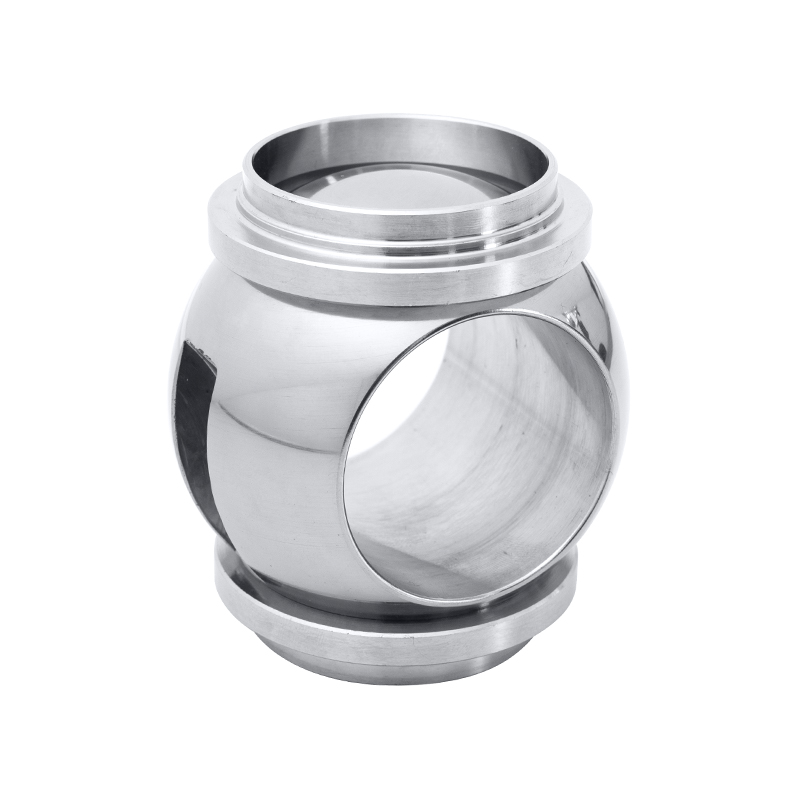
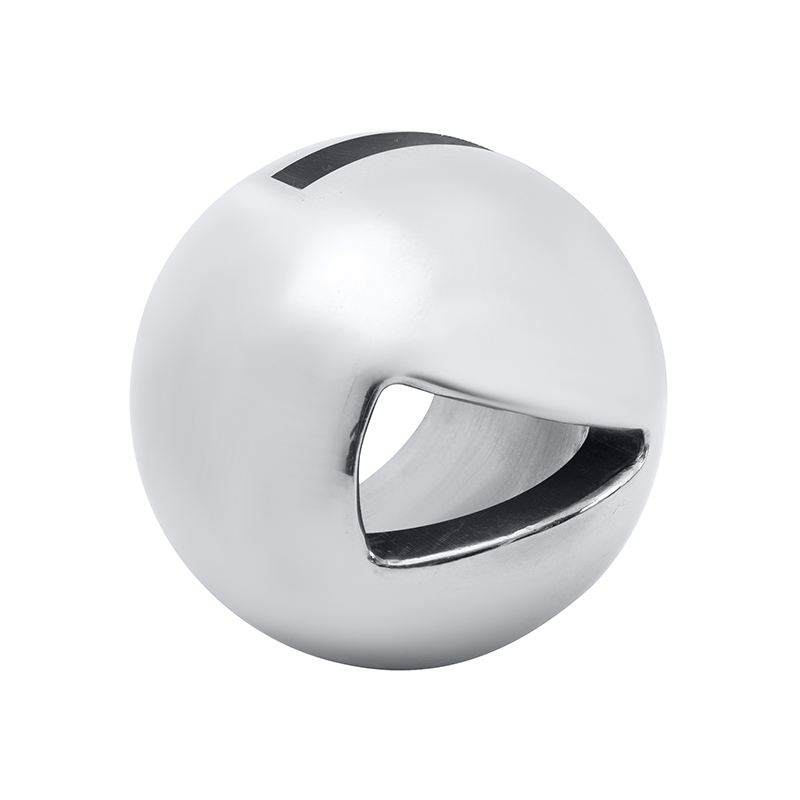
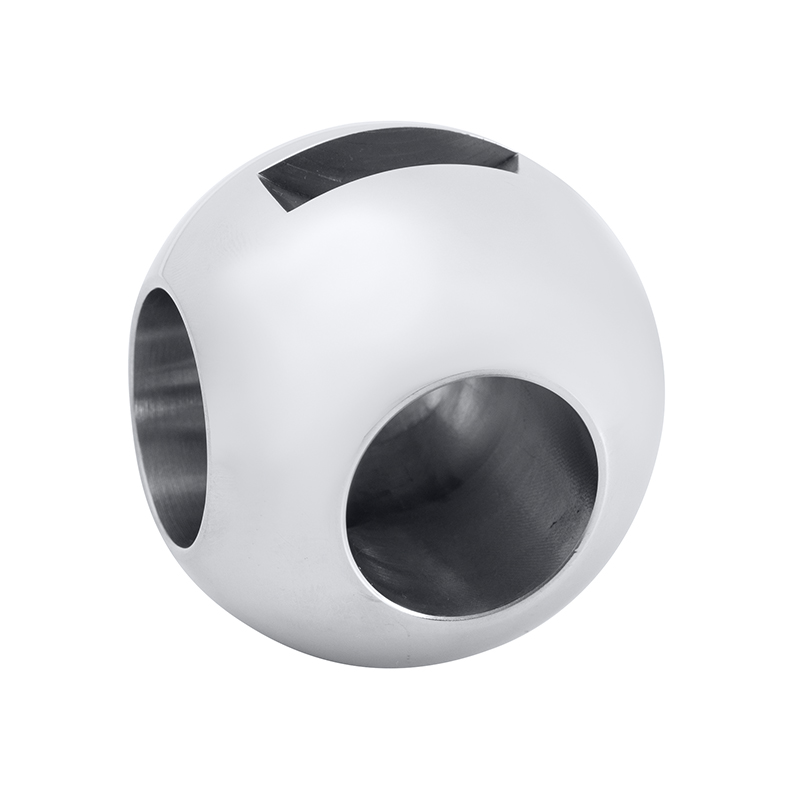
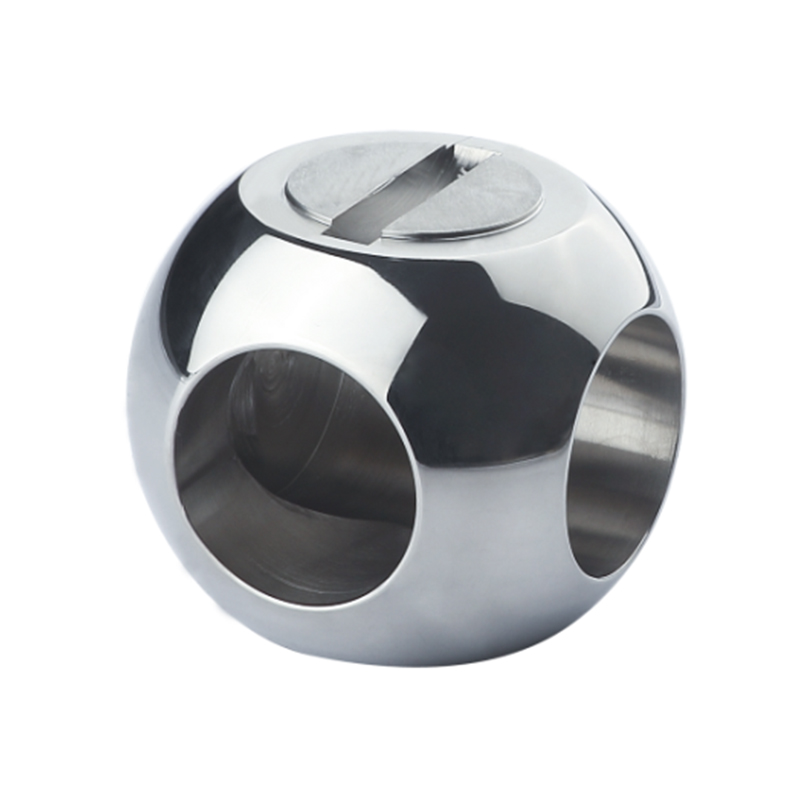
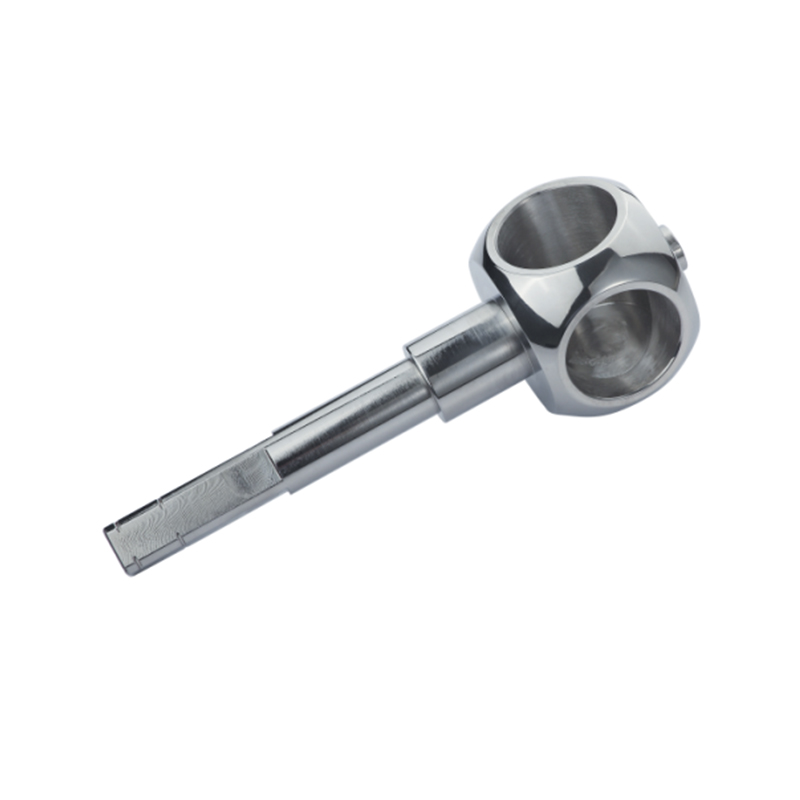
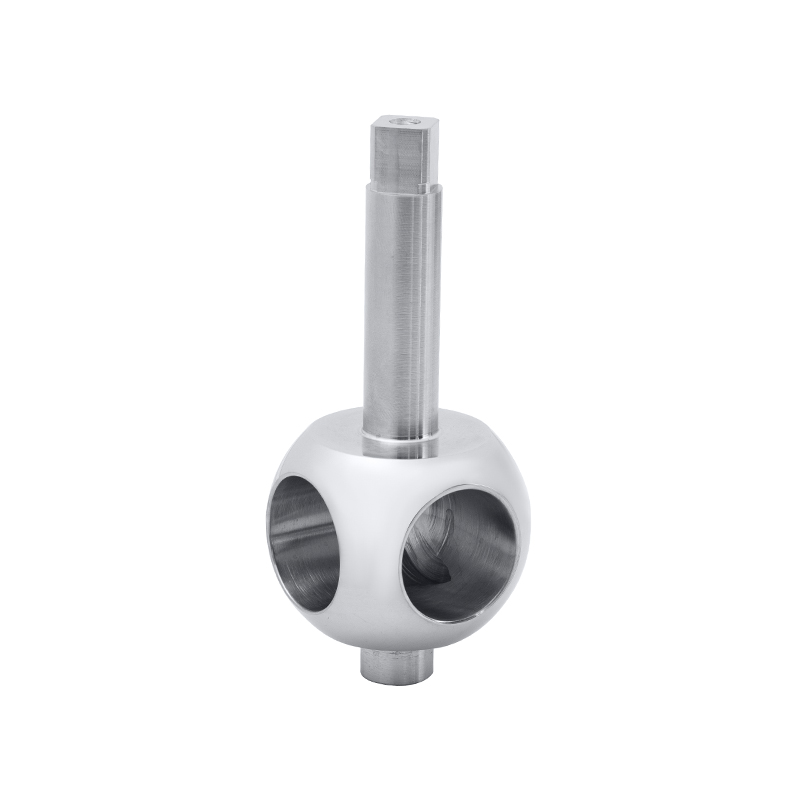
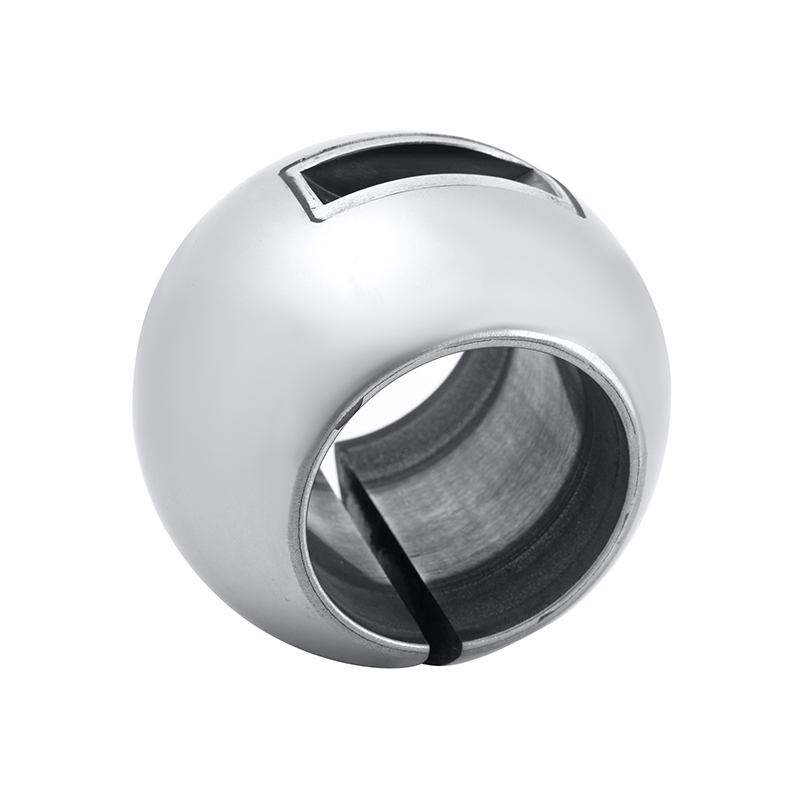
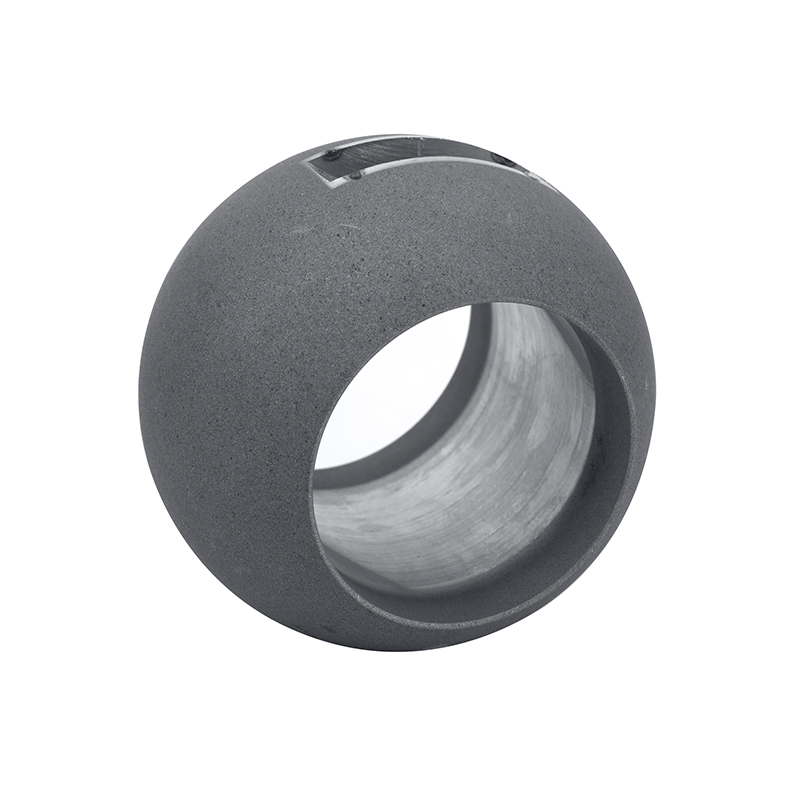
The full jacket design ensures continuous heat transfer to the valve ball, helping maintain the process fluid above its critical temperature even during shutdown periods.
Result:
Reduced risk of valve seizure, blocked flow paths, and startup failures.
Prevent Crystal Formation and Seat Damage
In temperature-sensitive chemical processes, cooling can lead to crystal formation on the ball surface. These crystals may damage soft valve seats during operation, leading to leakage and premature failure.
By maintaining uniform thermal distribution across the ball surface, the jacket reduces localized cooling and helps minimize crystal formation inside the valve chamber.
Improve Flow Behavior of High-Viscosity Media
For polymer melts, resins, and heavy oils, viscosity increases sharply as temperature drops, leading to poor drainage and material retention inside the valve.
A heated ball reduces boundary-layer viscosity at the flow surface, improving discharge efficiency and reducing product waste between batches.
Replace External Steam Tracing Systems
Traditional systems rely on external steam tracing pipes wrapped around valves, which often suffer from:
Uneven heat distribution
High energy loss
Installation complexity
Safety risks from exposed hot surfaces
The integrated jacket design replaces external tracing with direct heat transfer to the valve body, improving thermal efficiency and system cleanliness.
Enable Stable Temperature Control in Sensitive Processes
In precision chemical production, temperature fluctuations directly affect product quality.
The jacketed structure allows integration with controlled steam or thermal oil systems, enabling more stable thermal conditions across the valve body and flow channel.
Standard Floating Ball vs Jacketed Floating Ball
|
Feature
|
Standard Floating Ball
|
Jacketed Floating Ball
|
|
Temperature Control
|
None
|
Full thermal control
|
|
Applicable Media
|
Water / Gas / General Fluids
|
Wax / Resin / Bitumen / High-viscosity media
|
|
Risk of Solidification
|
High
|
Low
|
|
Start-up Reliability
|
Standard
|
High in cold shutdown conditions
|
|
External Tracing Required
|
Yes
|
No (integrated system)
|
|
Energy Efficiency
|
Lower
|
Higher thermal efficiency
|
|
Application Complexity
|
Low
|
Process-sensitive systems
|
Typical Applications
The Jacketed Floating Ball Valve Ball is used in process systems where temperature control is critical to maintaining flow stability.
Sulfur Handling Systems
Bitumen / Asphalt Pipelines
Wax Transport Lines
Polymer and Resin Processing
PTA and Caprolactam Production
Heavy Oil Transportation
Chemical Reactor Feed Systems
Thermal Process Control Pipelines
Manufacturing Process
Engineering Drawing Review
Material Selection & Verification
CNC Turning
Internal Flow Channel Machining
Jacket Structure Forming
Precision Grinding
Welded Jacket Assembly (if required by design)
Surface Engineering
Dimensional Inspection
Pressure & Integrity Check
Final Quality Inspection
OEM & Procurement Information
Custom Options
Jacket thickness and structure
Heating medium compatibility
Ball diameter and bore design
Material selection
Surface engineering system
Connection interface design
Manufacturing Capability
CNC machining centers
Precision grinding systems
Welded jacket fabrication capability
Annual production value: RMB 80 Million
Inspection Capability
CMM measurement
Roundness testing
Roughness measurement
Hardness testing
Metallographic analysis
Spectrometric material verification
Packaging & Shipping
Anti-collision protective packaging
Export-grade wooden crate
Moisture protection for coated surfaces
Shipping: Ocean / Air / Rail / Express
Trade terms: FOB / CIF / EXW
How to Request a Quotation
Please provide:
Technical drawing / CAD file
Heating medium (steam / oil / electric)
Operating temperature range
Process media type
Pressure class
Material requirement
Quantity
Thermal control requirements

 English
 Español
 Deutsch