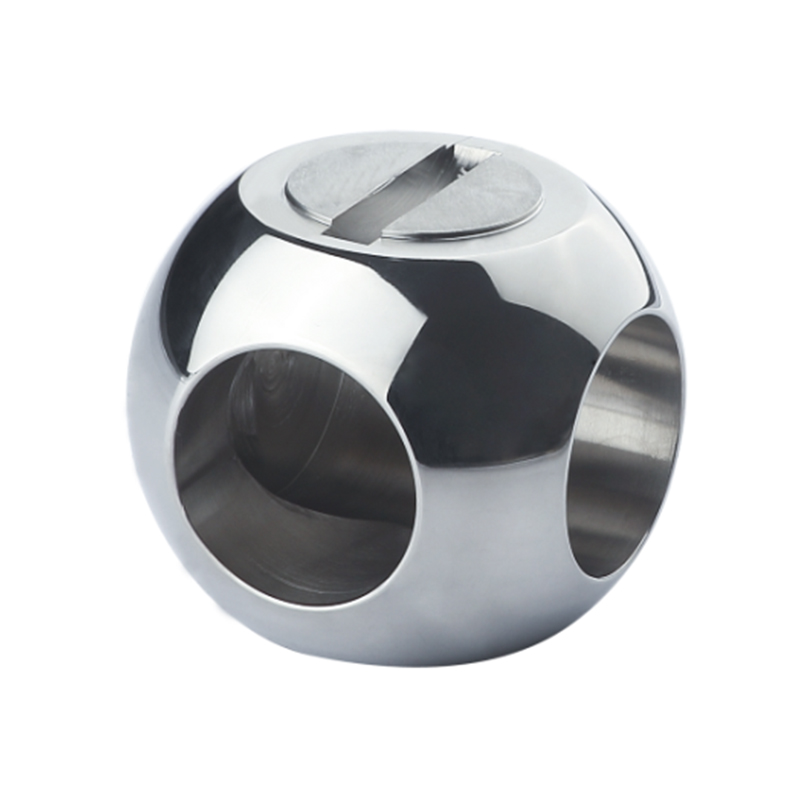
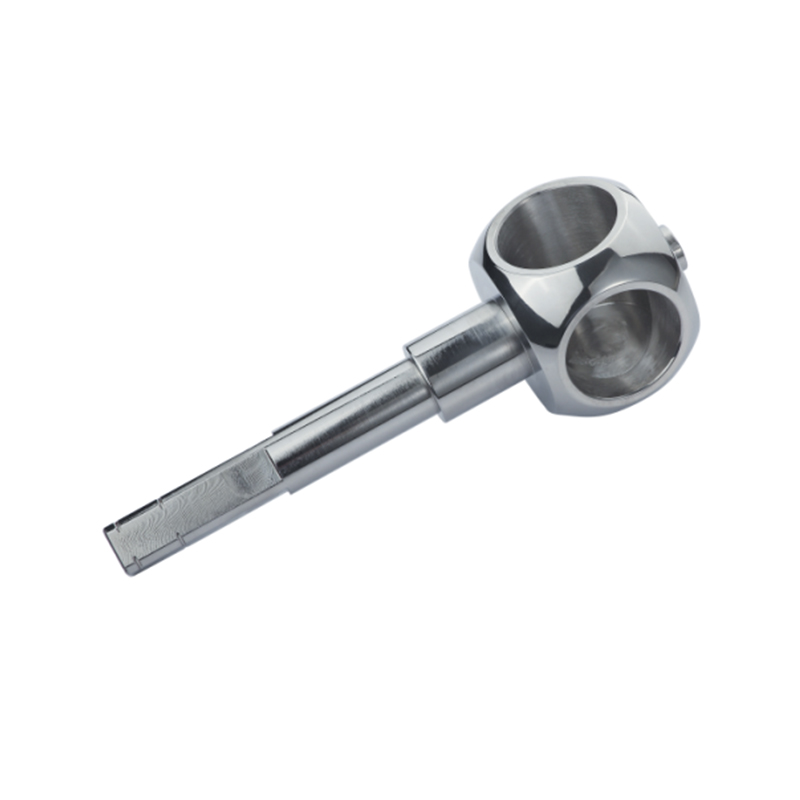
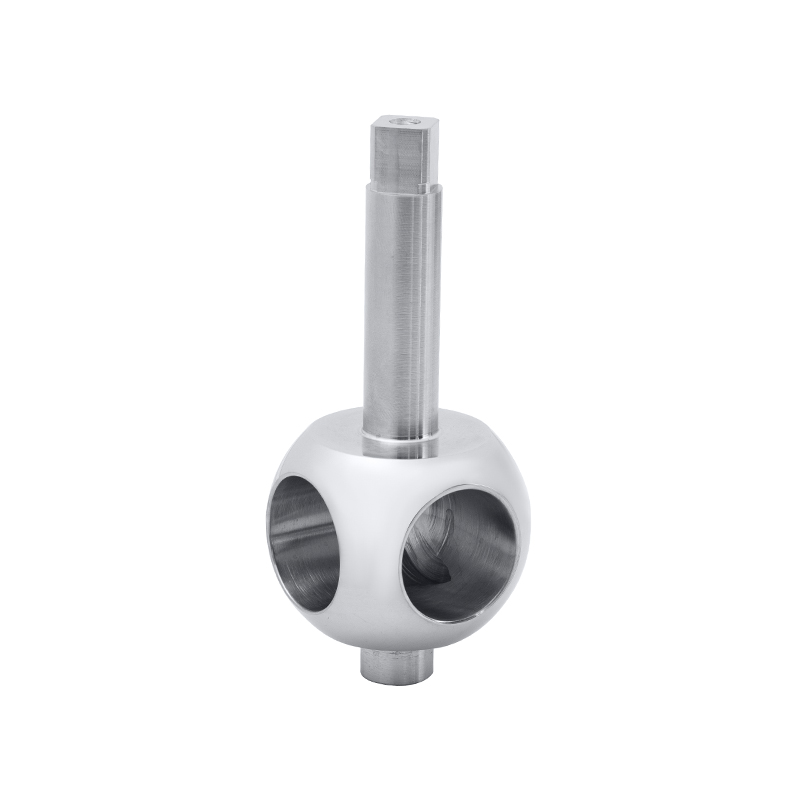
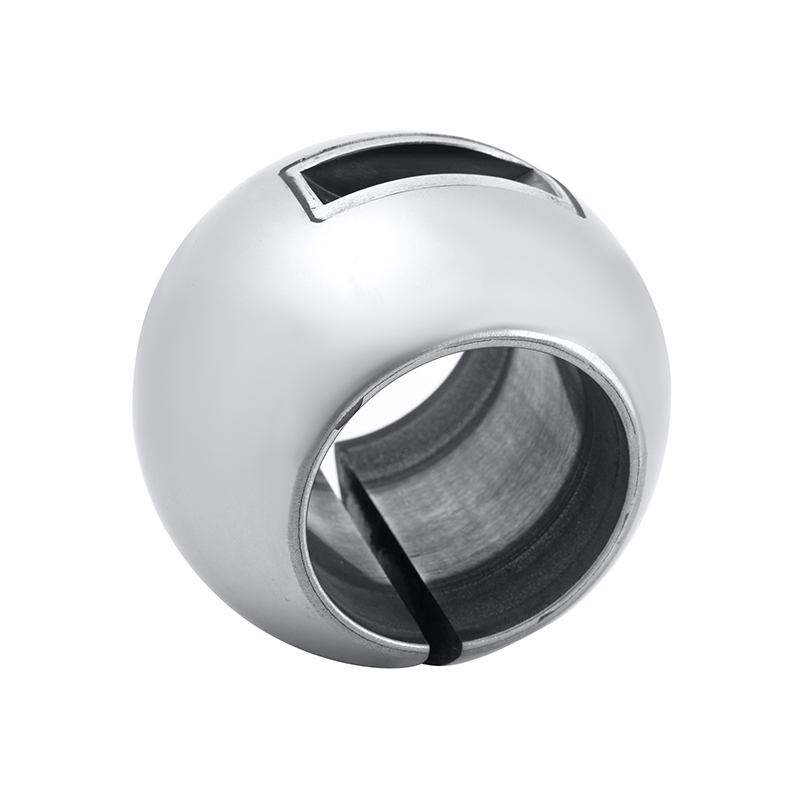
Why Choose a Solid Valve Ball?
Eliminate Internal Cavities to Reduce Product Contamination
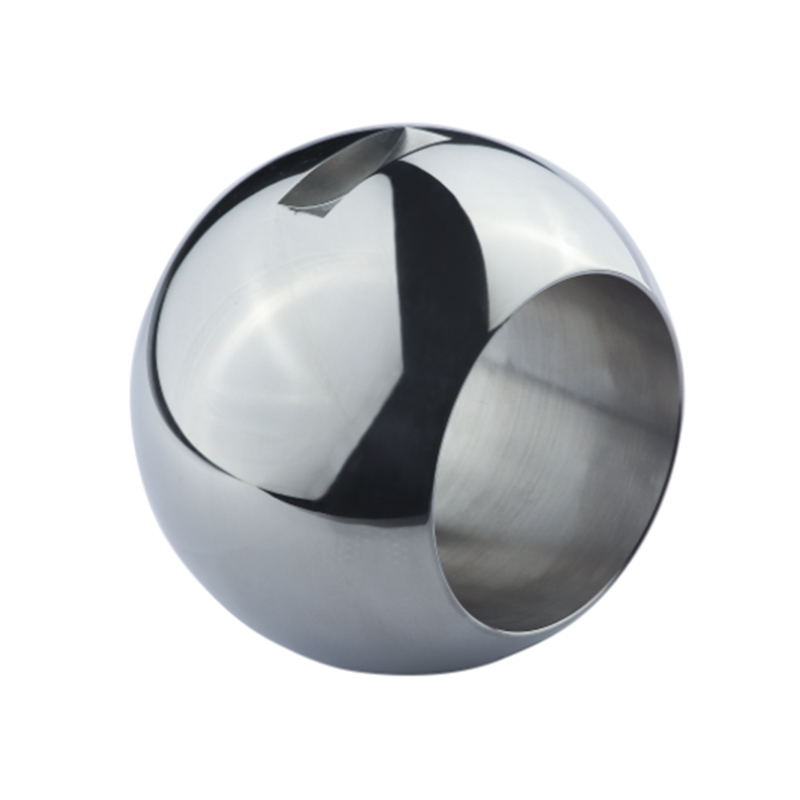
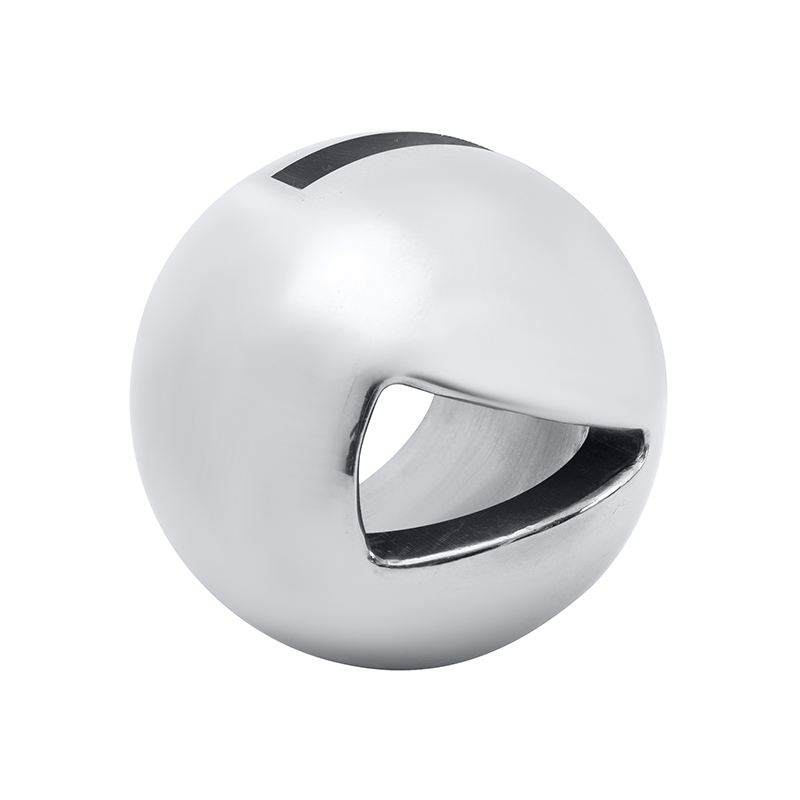
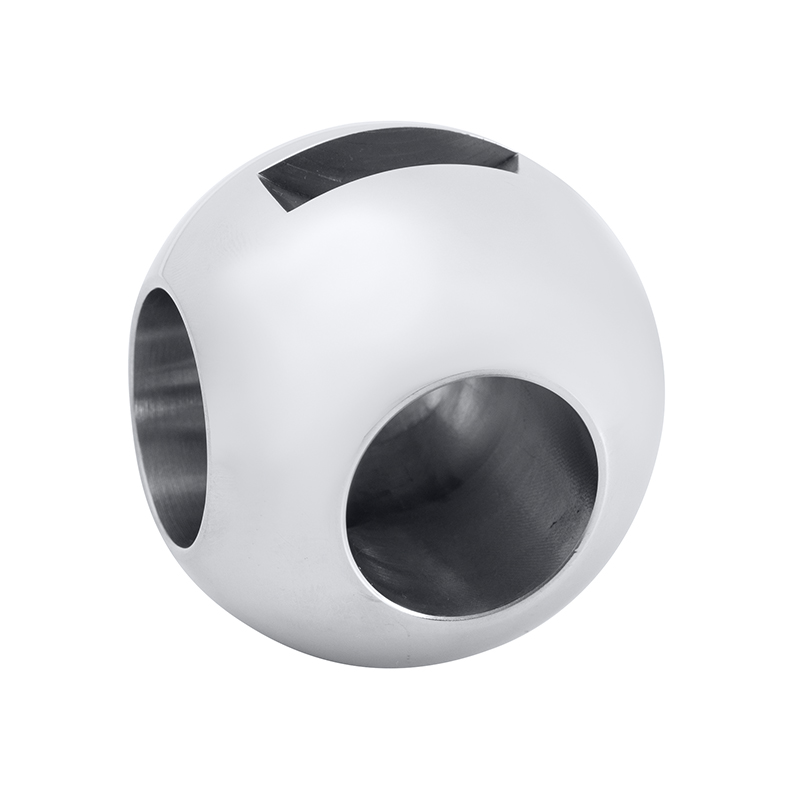
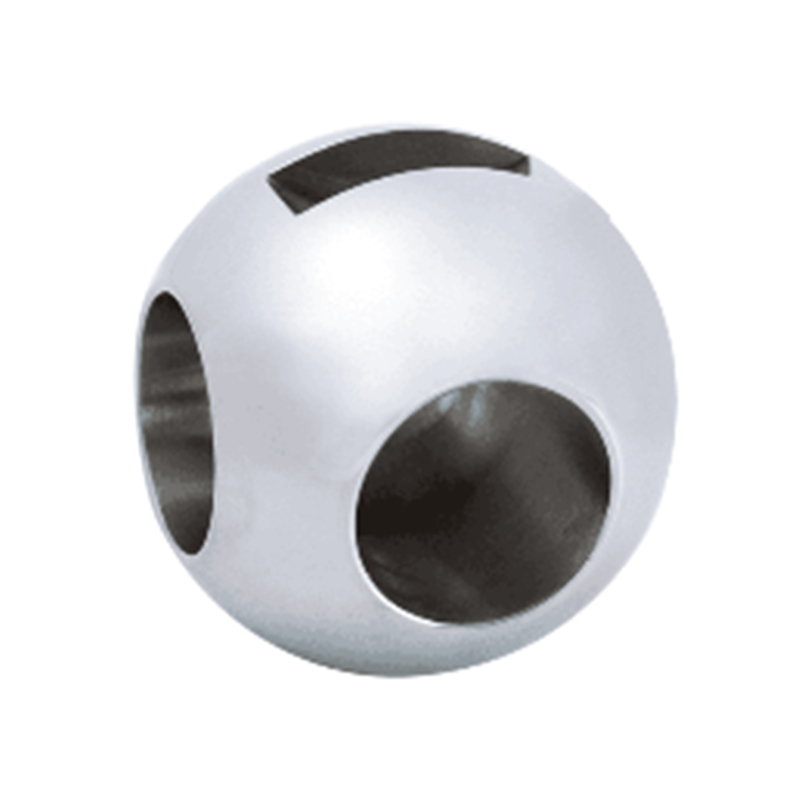
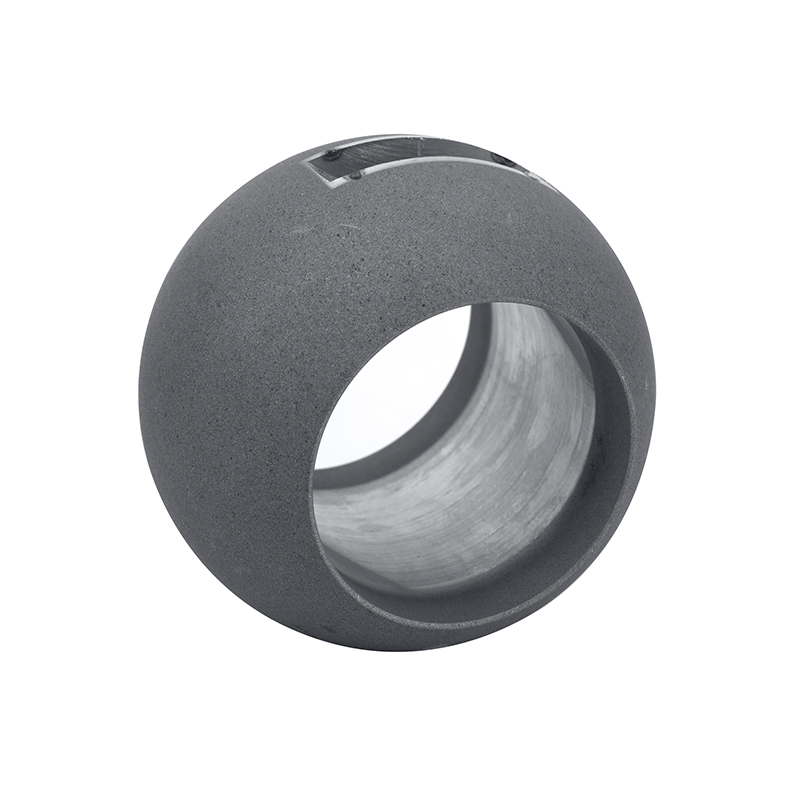
Unlike hollow valve balls, a solid ball contains no internal cavity where process media can become trapped.
For industries handling food products, pharmaceutical ingredients, ultrapure water, or specialty chemicals, eliminating hidden retention areas helps reduce the risk of media carryover between production cycles and simplifies equipment cleaning.
Recommended for:
Food Processing
Pharmaceutical Equipment
Fine Chemical Production
High-Purity Fluid Systems
Eliminate Internal Pressure Risks
Because the valve ball is manufactured from a solid metal body, there is no enclosed internal space where trapped gas or liquid can expand during temperature changes.
This design eliminates concerns associated with cavity pressure build-up and removes the need to consider vent-hole orientation during valve assembly.
This makes the product particularly suitable for applications involving:
Hot Oil Systems
Steam Services
Thermal Cycling
Fire Protection Systems
Stronger Foundation for Surface Engineering
A solid metal structure provides a stable substrate for advanced surface treatments such as tungsten carbide coatings, ENP, and nickel-based hardfacing.
For applications involving abrasive particles, high flow velocity, or severe wear, a rigid substrate helps maintain coating integrity throughout long-term operation.
Suitable for:
Slurry Pipelines
Mining Applications
Sand-Containing Media
High Velocity Process Fluids
Full Bore Design for Maximum Flow Efficiency
The straight-through bore maintains an unrestricted flow path, reducing pressure loss while supporting pipeline pigging operations where required.
Typical benefits include:
Minimal flow restriction
Reduced pressure drop
Lower risk of media accumulation
Suitable for pipeline cleaning systems
Floating Ball Design Provides Reliable Automatic Sealing
The floating ball sealing principle allows line pressure to push the ball against the downstream seat, automatically increasing sealing force as system pressure rises.
This makes floating ball valves an efficient solution for many small- and medium-sized industrial valve applications requiring dependable shut-off performance.
Is a Solid Ball the Right Choice?
Selecting the correct ball construction depends on the operating environment rather than simply choosing the strongest design.
|
Project Requirement
|
Recommended Solution
|
|
General Water Systems
|
Hollow Floating Ball
|
|
Lightweight Valve Design
|
Hollow Floating Ball
|
|
High Cleanliness Requirements
|
Solid Floating Ball
|
|
Abrasive Media
|
Solid Floating Ball
|
|
High Surface Hardness Requirement
|
Solid Floating Ball
|
|
Large Diameter High Pressure
|
Fixed Ball Valve
|
|
Severe Industrial Service
|
Solid Floating Ball or Fixed Ball (depending on valve design)
|
For large-diameter floating valves, project conditions should be evaluated carefully, as component weight may influence valve performance. Our engineering team can recommend the most suitable ball structure based on valve size, pressure class, and service conditions.
Typical Applications
The Solid Straight Floating Ball Valve Ball is commonly selected for applications where durability, cleanliness, and structural stability are priorities.
Typical industries include:
Oil & Gas Processing
Petrochemical Plants
Chemical Processing
Food & Beverage Manufacturing
Pharmaceutical Production
Mining & Slurry Transport
High-Purity Water Systems
Industrial Process Equipment
OEM Floating Ball Valve Manufacturing
Manufacturing Process
Every valve ball follows a controlled manufacturing process to ensure consistency and compliance with customer drawings.
Production Workflow
Drawing Review
Raw Material Verification
CNC Turning
Precision Sphere Machining
Full Bore Machining
Precision Grinding
Surface Engineering
Dimensional Inspection
Material Verification
Final Inspection
Export Packaging
OEM & Procurement Information
Custom Manufacturing Options
We support customization of:
Ball Diameter
Bore Size
Material Selection
Surface Engineering
Hardness Requirements
Drawing Optimization
Sample Production
Manufacturing Capability
Production is supported by:
CNC Turning Centers
CNC Machining Centers
Precision Grinding Equipment
Inspection Capability
Inspection equipment includes:
Coordinate Measuring Machine (CMM)
Roundness Tester
Surface Roughness Tester
Hardness Tester
Tensile Testing Equipment
Metallographic Laboratory
Desktop Spectrometer
Inspection reports are available upon request.
Order Information
MOQ: Based on drawing complexity and material selection
Prototype Production: Available
Standard Lead Time: Approximately 30 Days
Payment Terms: T/T, L/C, Long-Term Supply Agreements
Packaging & Shipping
Each valve ball is protected using export-standard packaging to reduce the risk of damage during international transportation.
Packaging Method
Anti-collision protective bag
Export carton
Wooden crate
Shipping Options
Ocean Freight
Air Freight
Railway Transportation
Express Delivery
Trade terms including FOB and CIF are available according to customer requirements.
How to Request a Quotation
To receive an accurate quotation, please provide:
Product drawing or 3D CAD file
Material specification
Quantity
Operating pressure
Process media
Surface treatment requirements
Required inspection reports
Delivery schedule
Providing complete project information allows our engineering team to evaluate manufacturability and prepare a more accurate quotation.

 English
 Español
 Deutsch