 English
 Español
 Deutsch


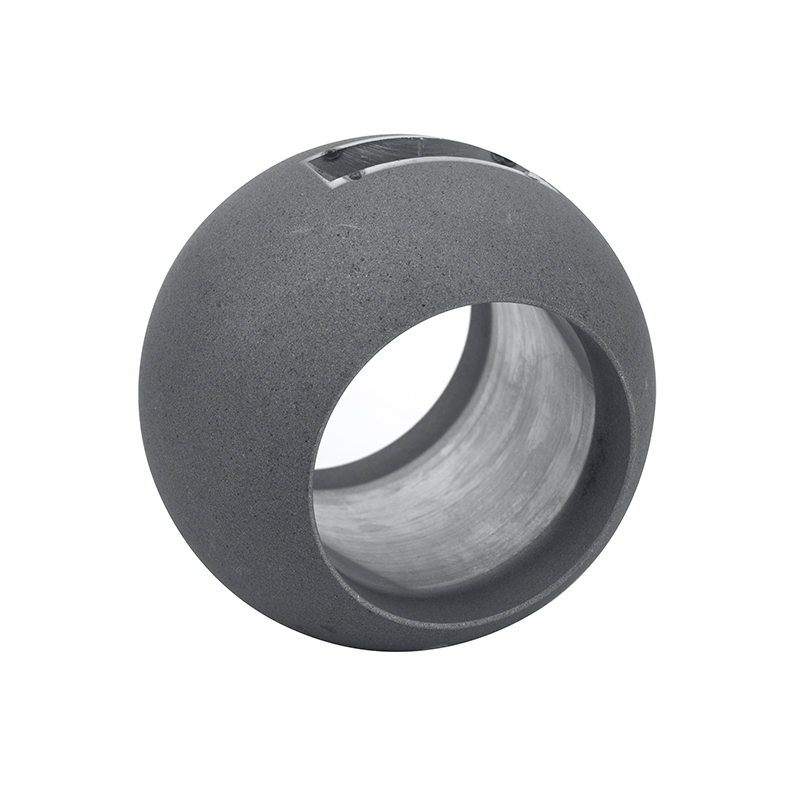
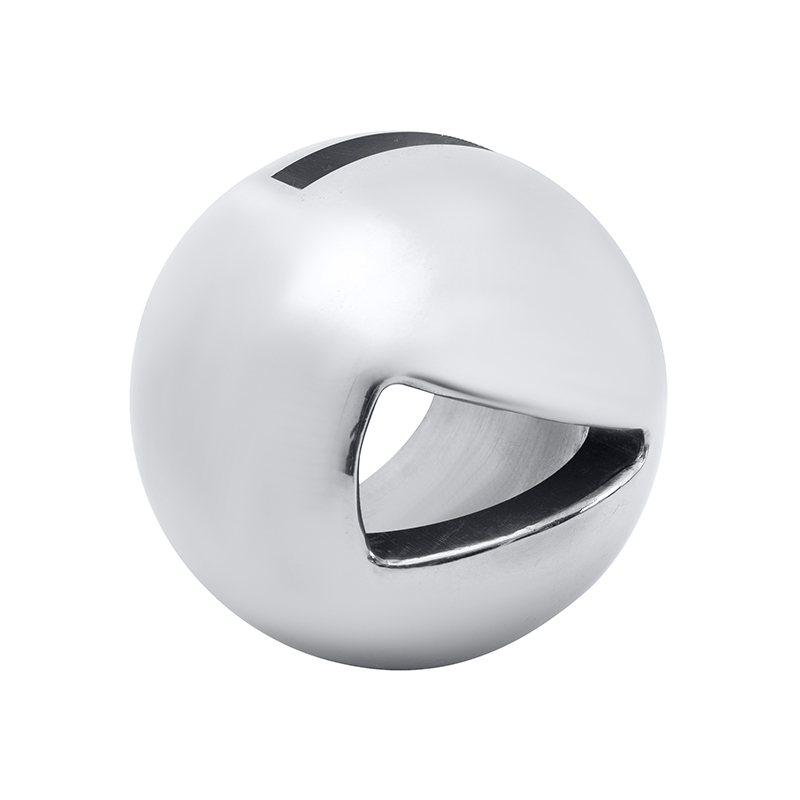
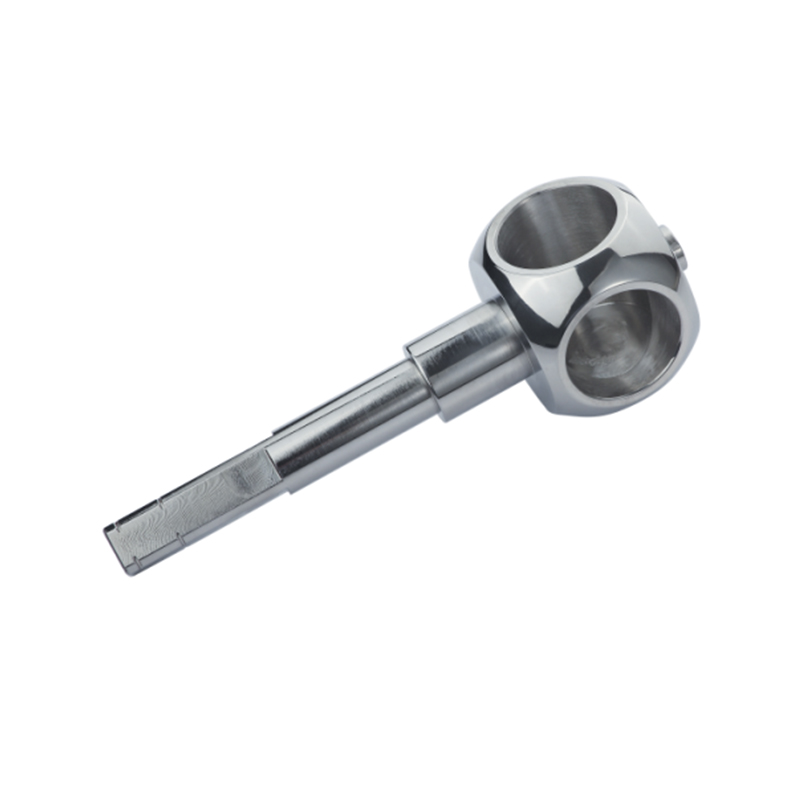
A ball valve can only provide reliable shutoff when its internal components work together with sufficient dimensional and surface accuracy. For engineers and procurement teams, sealing problems are rarely caused by one component in isolation. The valve ball, seat, stem, seals, body geometry, and operating conditions all contribute to the final result. As industrial valve projects place more attention on leakage control and documented testing, buyers are looking more closely at how critical components are manufactured rather than judging suppliers only by a product name.
Start With the Sealing Interface
The contact between the ball and seat deserves particular attention because even small deviations can influence sealing behavior. Ball roundness, surface finish, port geometry, and dimensional tolerances need to remain within the requirements established by the valve design.
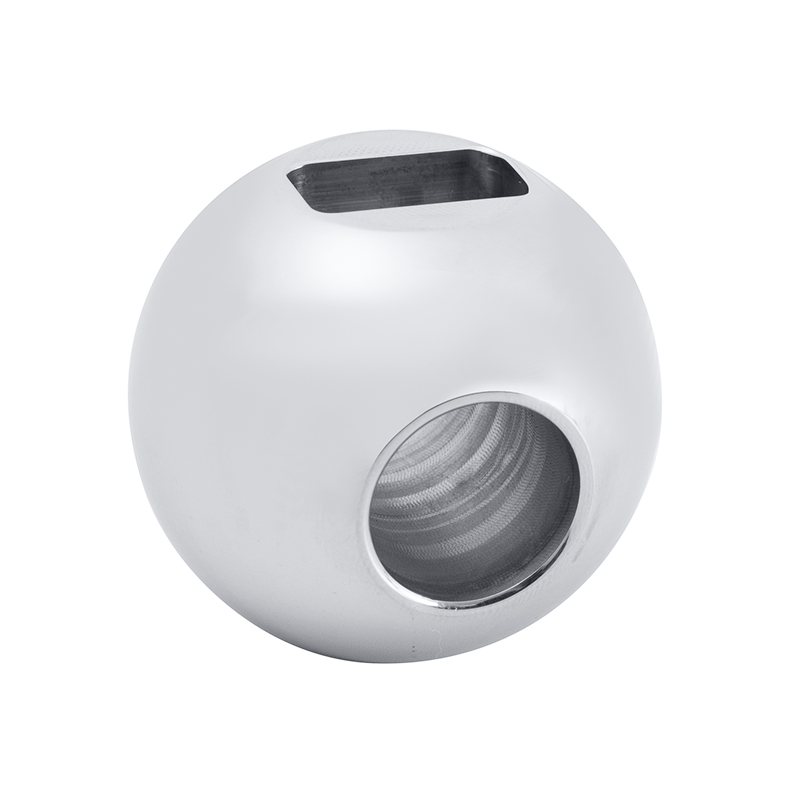
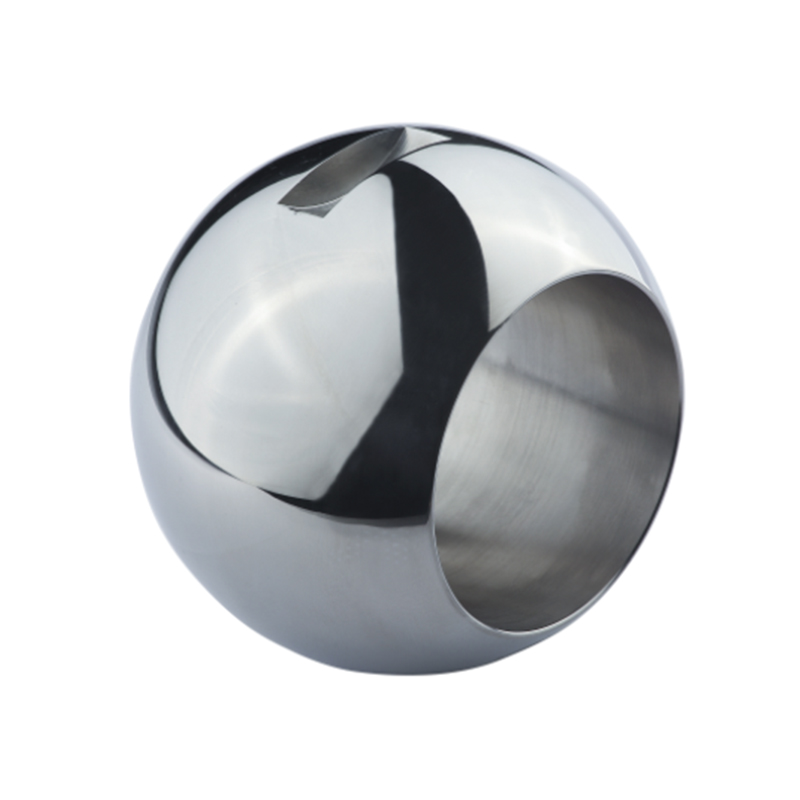
From a manufacturer's perspective, the finished ball should be treated as a precision component rather than simply a machined metal part. The machining route, grinding process, polishing method, and inspection procedure should work together to achieve the required geometry and surface condition.
Surface Quality Is More Than Appearance
A polished valve ball may look smooth to the eye, but visual inspection alone cannot determine whether its surface meets the technical specification. Depending on the application, buyers may need defined roughness, roundness, sphericity, or dimensional requirements.
This becomes particularly important when the ball operates repeatedly against a sealing surface. Excessive surface irregularity can influence friction, wear, and contact conditions. A clear drawing and measurable acceptance criteria therefore provide a better basis for purchasing than general descriptions such as “smooth” or “high quality.”
Match the Ball With the Seat
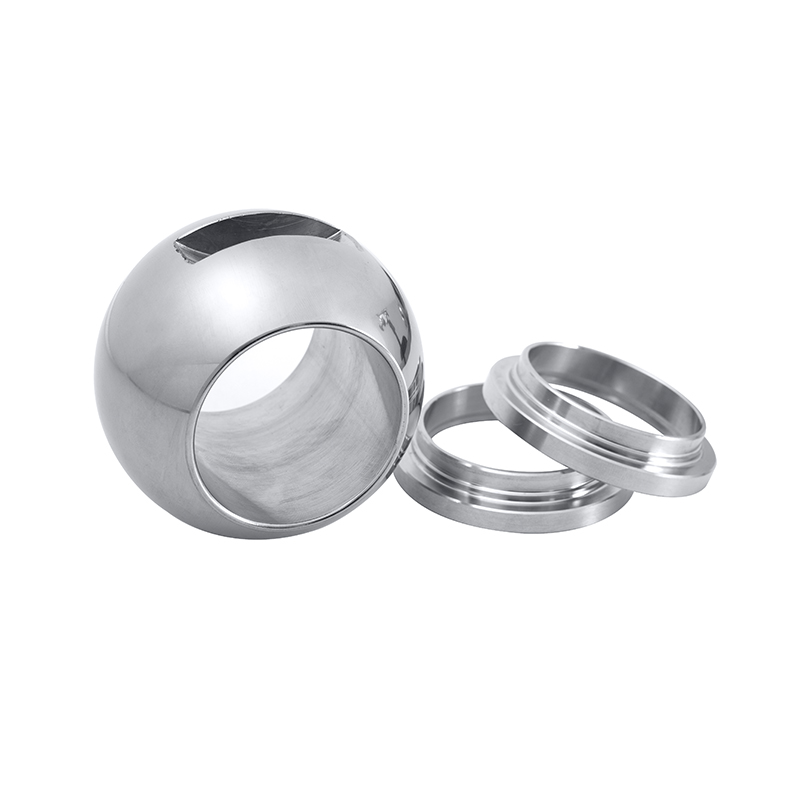
The ball should never be specified independently from the seat. Their materials, surface conditions, dimensions, and operating environment need to be considered together.
For example, a valve intended for frequent cycling may place different demands on the sealing interface from a valve that remains in one position for long periods. Temperature, pressure, media characteristics, and the possibility of abrasive particles can also change the engineering priorities.
When reviewing a custom valve ball order, manufacturers should therefore examine the mating components and operating conditions whenever the project information is available.
Leakage Control Requires More Than One Check
Recent industry attention has increasingly focused on fugitive emissions and valve leakage, including leakage from sealing interfaces and other valve components. Current industry events and technical discussions continue to address gaseous testing, inline tightness, and fugitive-emission control.
For buyers, this means quality verification should be considered throughout production rather than only at final shipment. Depending on the project, useful checks may include:
- Dimensional inspection against approved drawings
- Surface roughness and finishing checks
- Material verification
- Visual and surface inspection
- Documentation of applicable testing results
The exact inspection plan should follow the component specification and applicable project requirements.
Manufacturing Control Helps Prevent Repeat Problems
A valve ball can pass a basic dimensional check and still create assembly difficulties if critical features are not controlled consistently. This is why process control matters during machining, grinding, polishing, coating, and final inspection.
For repeat orders, production records and approved technical drawings can provide a useful reference. When a buyer needs replacement components later, consistent manufacturing information can also make it easier to reproduce the required geometry and surface condition.
Consider Severe-Service Requirements Early
Some industrial applications involve hydrogen, corrosive media, high pressure, or demanding temperature conditions. These environments require more careful consideration of materials and testing. API 6D Addendum 2, for example, introduced provisions addressing hydrogen gas service, including material requirements, high-pressure gas testing, fugitive-emission testing, and additional examination.
Not every valve ball requires the same treatment, but the example illustrates why operating conditions should be communicated before production begins. A manufacturer cannot select the appropriate material or finishing route from the component name alone.
Choose a Supplier That Can Work From Engineering Requirements
For overseas buyers, the most useful supplier relationship begins with technical information. Drawings, material specifications, surface requirements, tolerances, pressure class, operating media, and inspection expectations give the manufacturer a clearer basis for production.
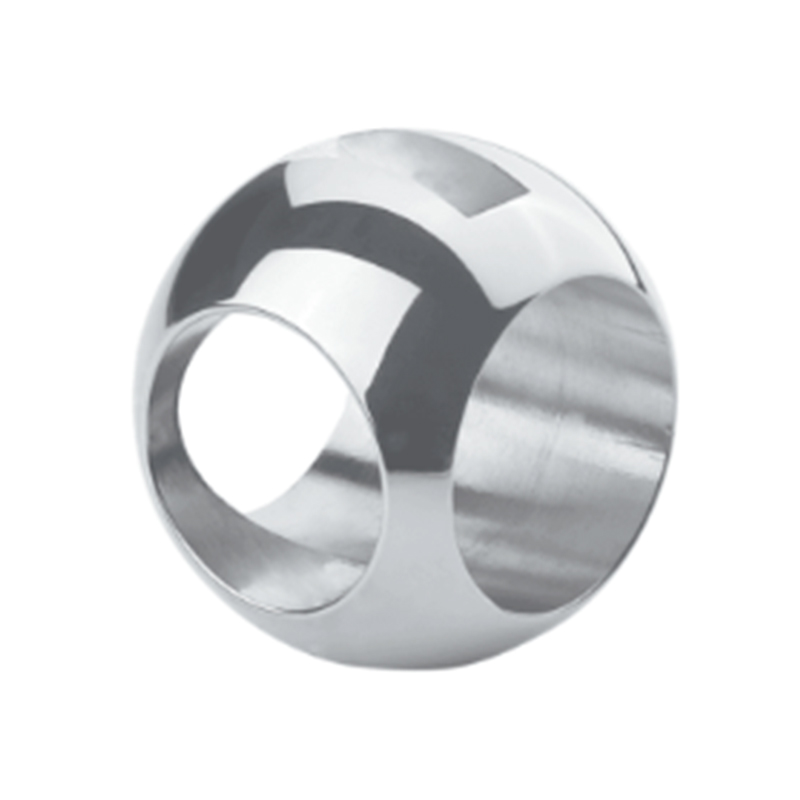
A capable Valve Ball Factory should be able to discuss these factors before machining starts and explain how the manufacturing process supports the required result. The same principle applies when sourcing Ball Valve Accessories: compatibility, surface condition, material, dimensions, and inspection should be considered as part of the complete valve assembly.
For procurement teams seeking custom valve components, choosing a supplier based on engineering capability and process control can make the purchasing decision more reliable and help reduce avoidable sealing issues during assembly and service.