 English
 Español
 Deutsch


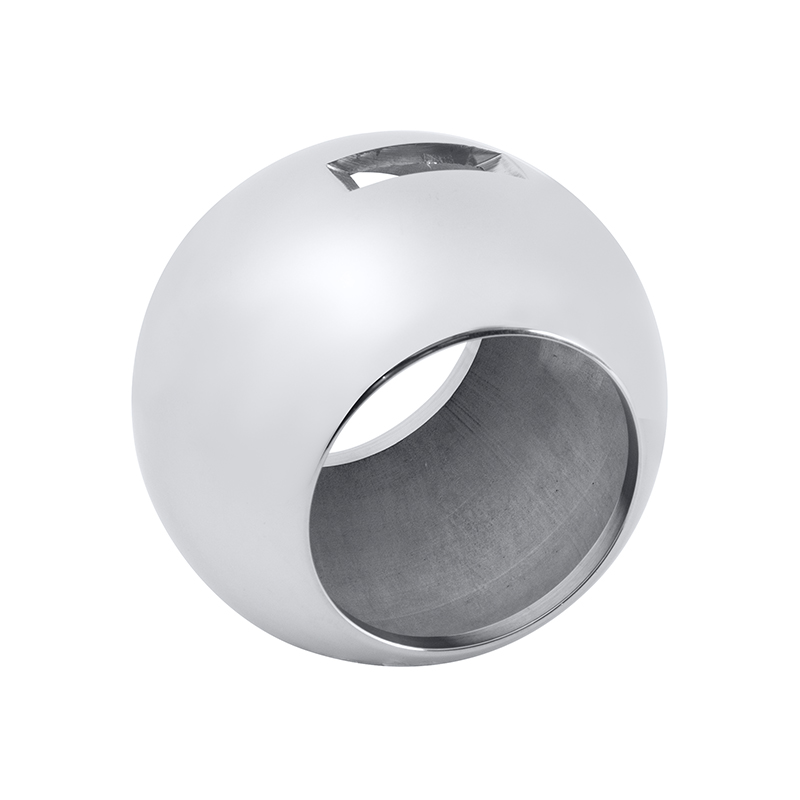
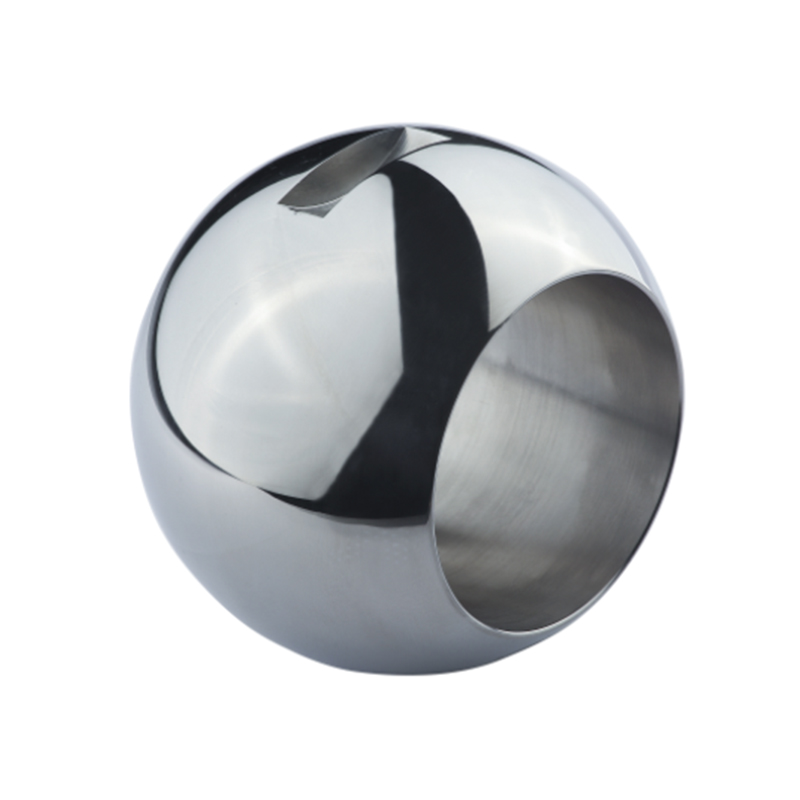
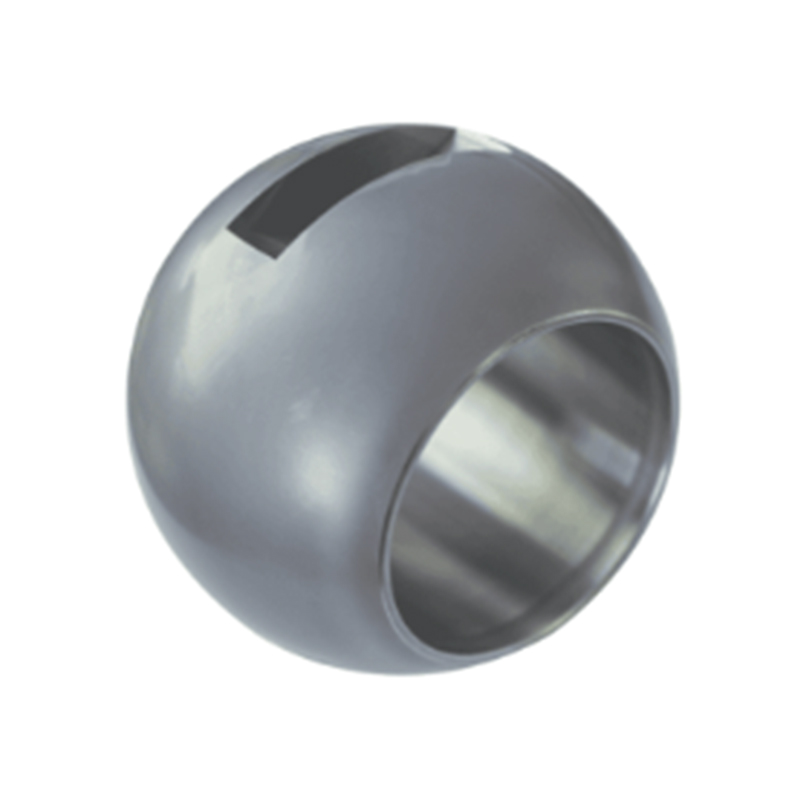
A valve ball may have a relatively simple geometry, but choosing the right material and surface treatment becomes much more complicated when the operating environment changes. Pressure, temperature, fluid characteristics, corrosion exposure, cycling frequency, and sealing requirements can all affect the service behavior of the finished component. For overseas engineers and procurement teams, understanding these factors before ordering custom valve components can help prevent premature wear, sealing problems, and unnecessary replacement costs.
Let the Operating Medium Guide Material Selection
Material selection should begin with the medium that will pass through the valve. Water, oil, natural gas, chemical fluids, and other process media can create very different requirements for corrosion resistance and surface performance.
A manufacturer should therefore review the actual service conditions before recommending a material. Stainless steels may be suitable for many applications, while more demanding environments may require alloy materials or additional surface treatment. The important point is that material selection should be connected to the complete valve design rather than based only on the nominal valve size.
Pressure Changes the Engineering Priorities
As operating pressure increases, dimensional accuracy and sealing performance become increasingly important. The ball must maintain the intended relationship with the seat while the valve is exposed to operating loads.
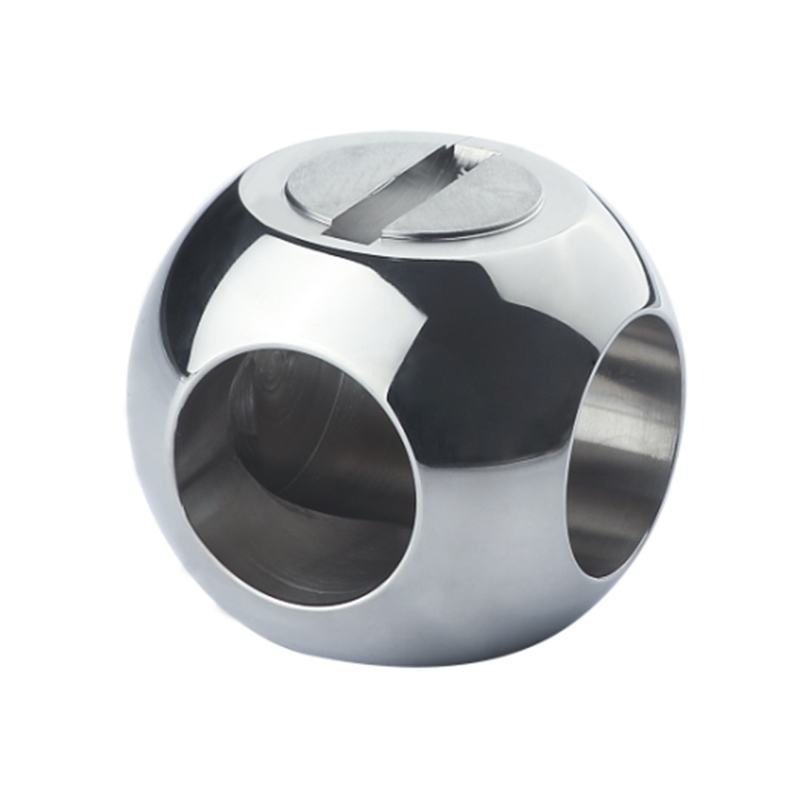
For custom production, buyers should provide drawings, pressure class, temperature range, ball diameter, port configuration, and relevant material requirements whenever available. These details allow the manufacturer to evaluate the component as part of the actual valve assembly instead of treating it as a generic machined sphere.
Surface Finish Can Influence Sealing
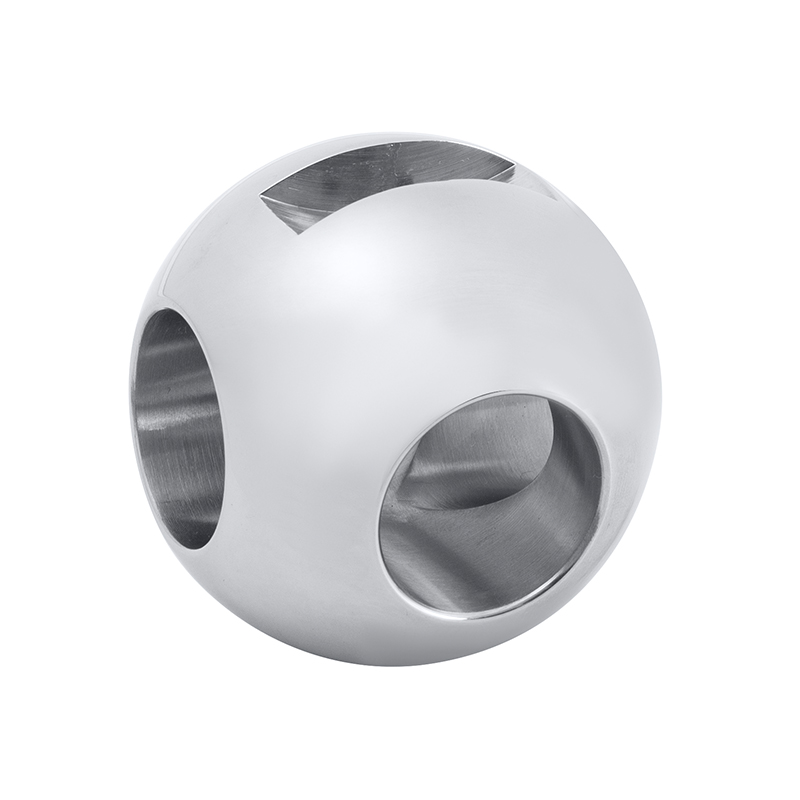
The surface of a valve ball is directly involved in the sealing interface, so surface condition deserves more attention than appearance alone. Roughness, polishing quality, dimensional accuracy, and roundness can all influence how the ball interacts with the seat.
Depending on the application, manufacturers may use precision polishing or wear-resistant surface treatments to achieve the required performance. The appropriate solution depends on the valve structure and service conditions.
For procurement teams, it is useful to specify:
- Required surface roughness
- Dimensional tolerances
- Roundness requirements
- Coating or hardfacing requirements
- Inspection method and acceptance criteria
Match Surface Treatment to the Failure Risk
Different surface treatments address different engineering concerns. A coating or hardfacing process should not be selected simply because it sounds more durable. The treatment needs to correspond with the actual risk, such as abrasive wear, corrosion, friction, or repeated contact with the sealing surface.
From a manufacturing perspective, the treatment also needs to be controlled without changing critical dimensions beyond the permitted tolerance. Post-treatment machining or polishing may therefore be part of the overall manufacturing route.
Consider the Complete Sealing System
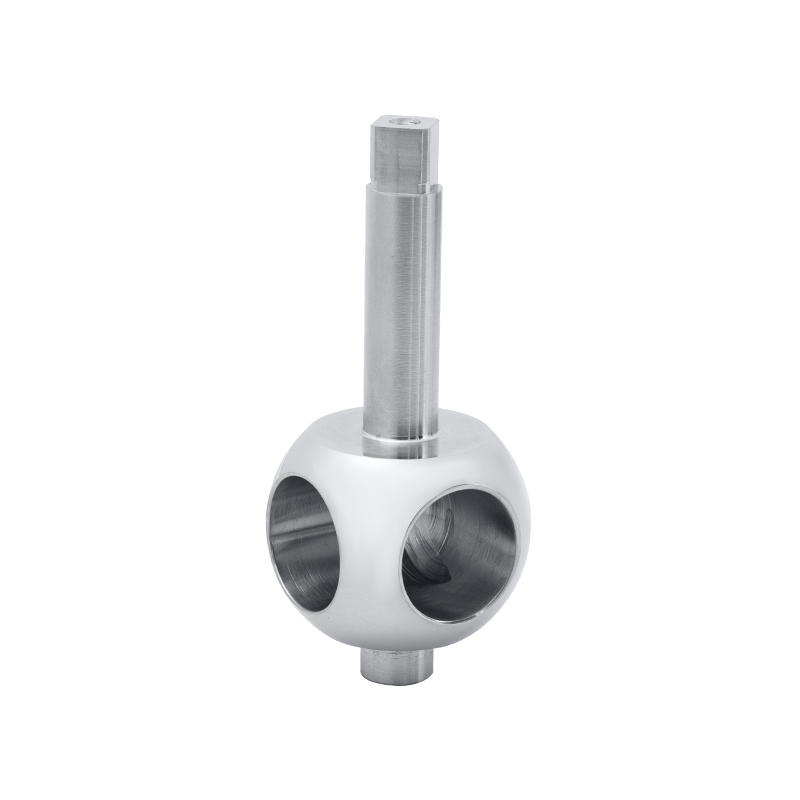
A valve ball does not work independently. Its performance depends on the interaction between the ball, seat, stem, body, seals, and operating mechanism. Even a precisely manufactured ball can experience problems if the surrounding components are poorly matched.
This is especially relevant when buyers are sourcing replacement components for existing valves. Original drawings, dimensions, material records, and previous surface specifications can provide valuable references for achieving compatibility.
Testing Should Reflect the Intended Service
Testing requirements should be defined according to the application and applicable specification. Recent updates to API 6D include provisions addressing hydrogen gas service, including material considerations, high-pressure gas testing, fugitive-emission testing, and additional examination requirements.
This illustrates why industrial valve procurement increasingly requires more than a basic dimensional inspection. Depending on the project, buyers may need material verification, dimensional inspection, surface inspection, or other tests specified by the valve design and applicable standards.
Build the Specification Before Requesting a Quote
One of the most effective ways to avoid misunderstandings is to provide a complete technical specification before requesting a quotation. A manufacturer can then evaluate material, machining route, finishing process, inspection requirements, and delivery expectations against the actual application.
For a Valve Ball Factory, this engineering information is essential when producing custom valve balls for different industrial systems. The same approach also applies when sourcing Ball Valve Accessories, because stems, seats, seals, mounting components, and other parts need to remain compatible with the finished valve assembly.
For overseas buyers, discussing operating conditions and technical requirements at the beginning of the purchasing process can make supplier evaluation more efficient and create a clearer path from drawing approval to production.