 English
 Español
 Deutsch

A ball valve may appear to be a straightforward flow-control product, but its performance depends on how the ball, seats, stem, seals, body, and operating components work together. For overseas procurement teams, replacing or sourcing individual components without considering the complete valve assembly can create problems with sealing, torque, wear, and maintenance. As industrial systems place greater emphasis on leakage control, material compatibility, and documented testing, buyers need a more structured way to evaluate valve components and their suppliers.
Start With the Actual Operating Conditions
The first question should not be which component is cheapest, but where and how the valve will operate. Pressure, temperature, media, cycling frequency, corrosion exposure, and required shutoff performance can all influence material and component selection.
For a manufacturer, these details are essential when reviewing drawings or technical specifications. A valve ball used in clean water service may have very different requirements from one intended for corrosive chemicals, gas processing, or high-pressure pipeline applications. API 6D updates have also introduced additional provisions for hydrogen gas service, including material considerations, high-pressure gas testing, and fugitive-emission testing.
The Valve Ball Is More Than a Spherical Part
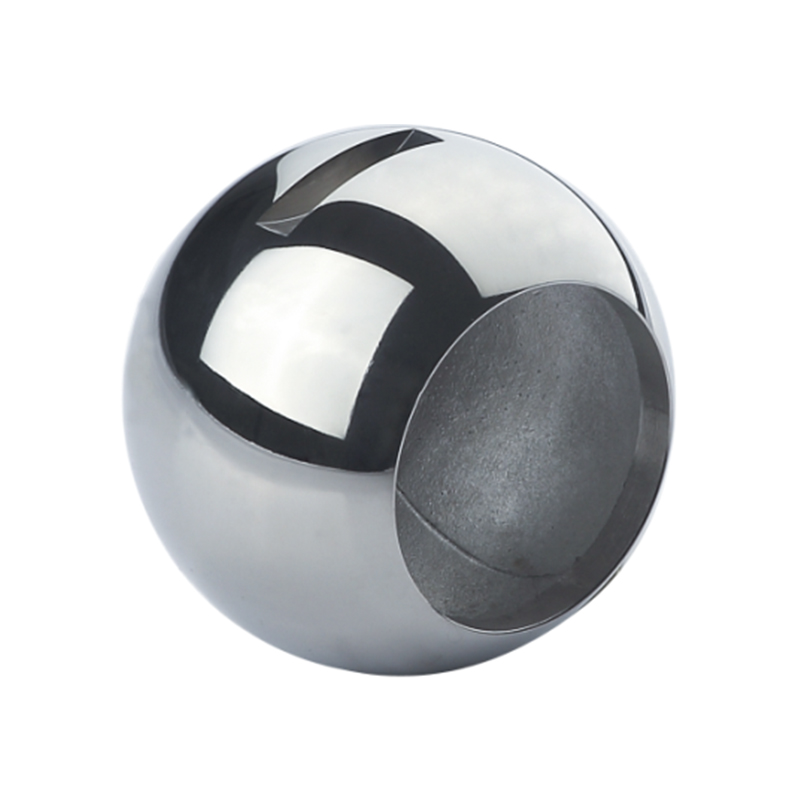
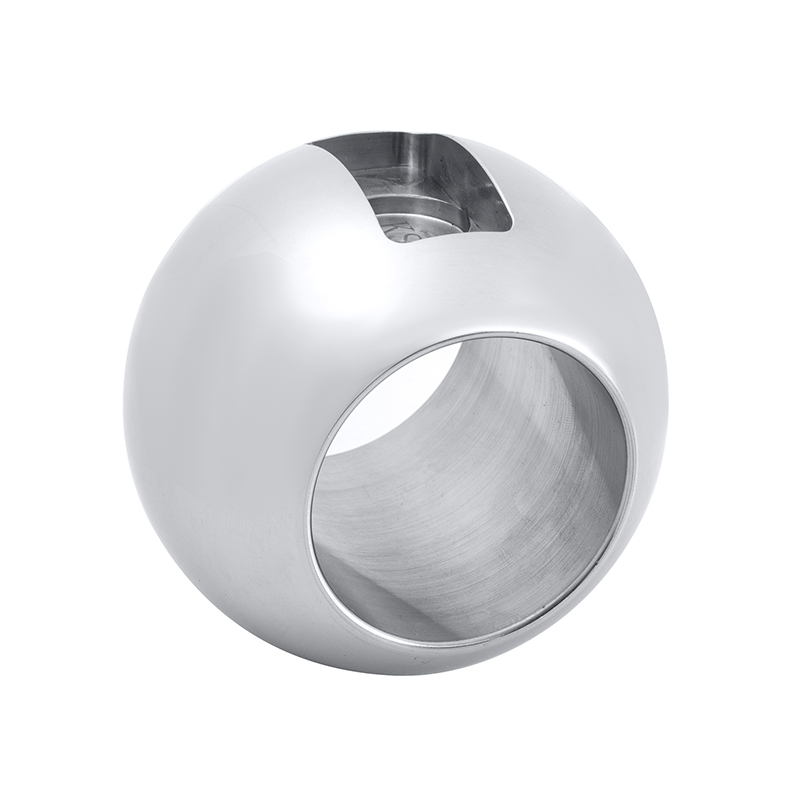
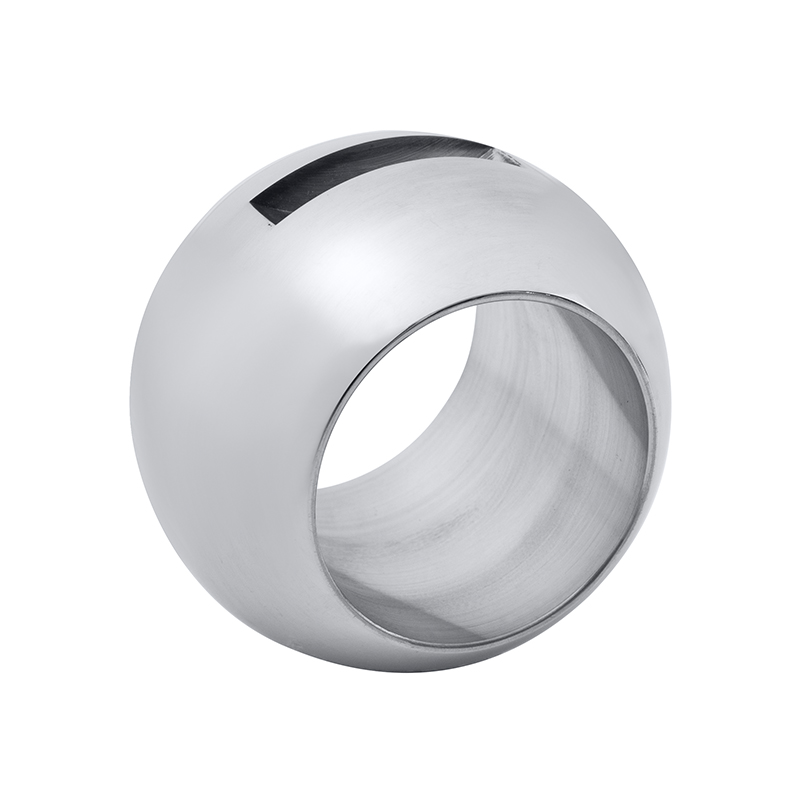
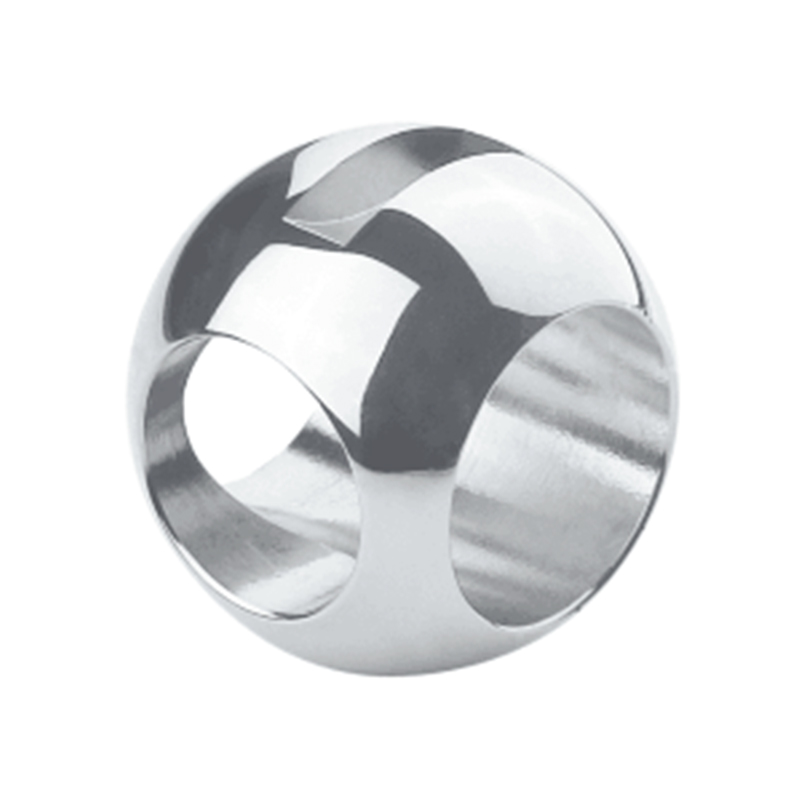
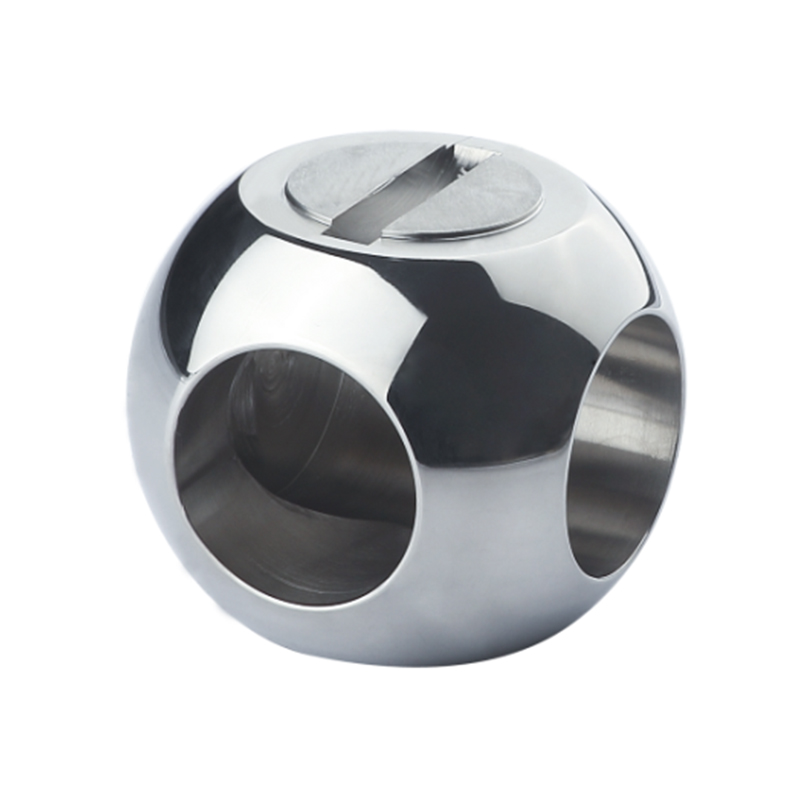
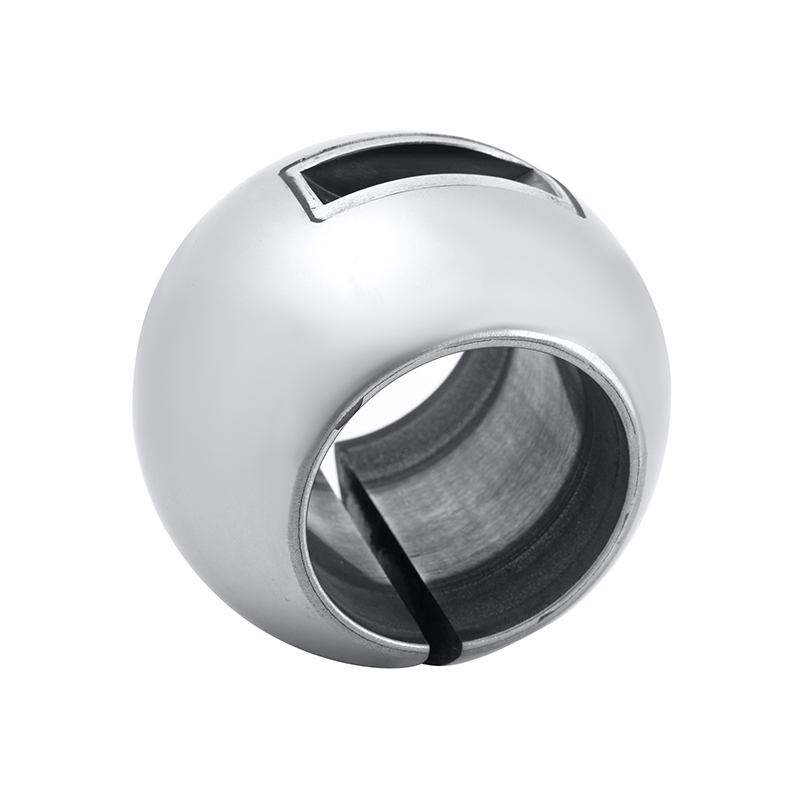
The ball needs to maintain the intended relationship with the seats and flow passage throughout operation. Surface condition, dimensional accuracy, roundness, port geometry, and the selected material can all influence sealing behavior and operating torque.
This is why procurement specifications for a valve ball should be connected to the complete valve design. Depending on the application, buyers may need to discuss stainless steel, alloy materials, hardfacing, coatings, surface finishing, or other treatments with the manufacturer rather than selecting the base material alone.
Do Not Separate Accessories From Valve Performance
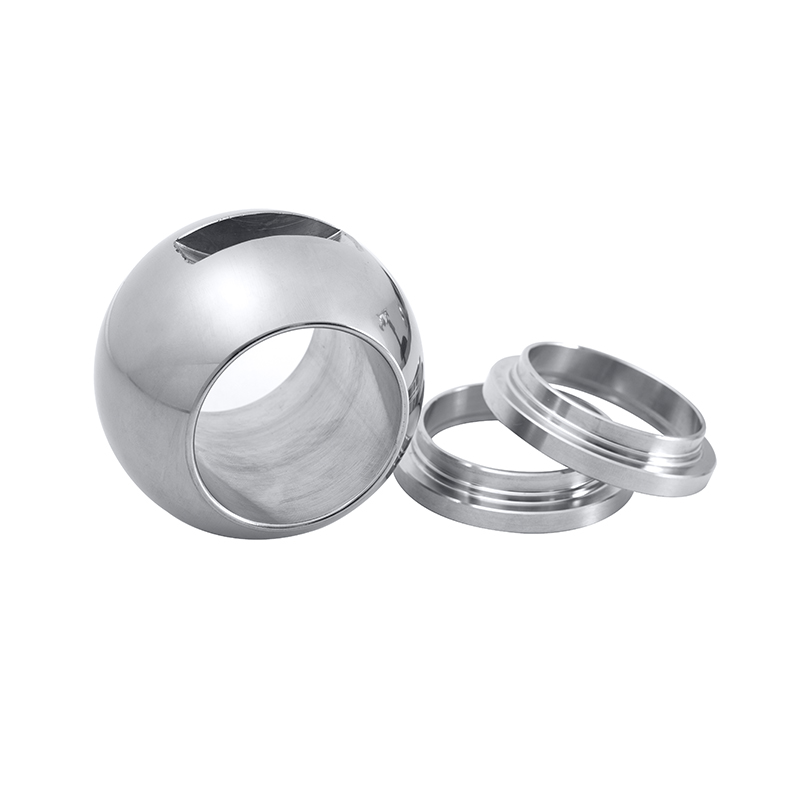
Ball Valve Accessories can affect how the complete assembly operates and is maintained. Depending on the valve design, relevant components may include stems, seats, seals, actuators, mounting parts, locking devices, or accessories used for monitoring and maintenance.
For engineering teams, compatibility is particularly important. A component may meet its own dimensional requirement but still create problems if its material, connection method, operating torque, or temperature range does not match the rest of the valve.
Surface Treatment Needs to Match the Service
Valve balls can encounter erosion, corrosion, friction, and repeated contact with sealing surfaces. The appropriate surface treatment therefore depends on the operating environment rather than simply the desired appearance.
Manufacturers may evaluate options such as precision polishing, hardfacing, thermal spraying, or other surface treatments according to the valve design and media. The purpose is to achieve the required surface characteristics and service compatibility while maintaining the specified dimensions.
A practical specification should therefore identify:
- Base material and applicable material standard
- Required surface finish
- Coating or hardfacing requirements
- Dimensional tolerances
- Inspection and testing requirements
Testing Should Support the Purchase Decision
Testing is especially important when components are intended for critical industrial valves. Buyers should understand what is inspected, which dimensions are controlled, and how the finished component is verified before shipment.
Current procurement requirements increasingly place attention on documented quality procedures and testing. Industry specifications for ball valves can include defined procurement, information, and quality requirements rather than relying solely on a general product description.
For manufacturers, inspection records provide useful evidence that the supplied component corresponds with the approved drawing and material specification.
Think About Replacement and Maintenance
Industrial buyers are often not purchasing components for a single new valve. They may need replacement balls, seats, stems, or related parts for equipment already operating in the field.
In this situation, interchangeability becomes important. Drawings, material records, dimensions, surface requirements, and previous production information can help reduce uncertainty when a repeat component is required. A supplier capable of working from drawings or established technical specifications can also make repeat procurement more straightforward.
Choose a Manufacturer That Understands the Complete Assembly
A reliable component supplier should understand how individual parts interact within the finished valve. For overseas buyers, this is particularly valuable when purchasing custom valve balls, replacement components, or application-specific accessories.
As a Valve Ball Factory, we view component manufacturing as an engineering process rather than a simple machining task. Material selection, geometry, surface treatment, inspection, and compatibility with Ball Valve Accessories all need to be considered together. For procurement teams looking for a dependable valve ball manufacturing partner, discussing the complete operating requirement before production can create a clearer specification and reduce avoidable issues during assembly and service.