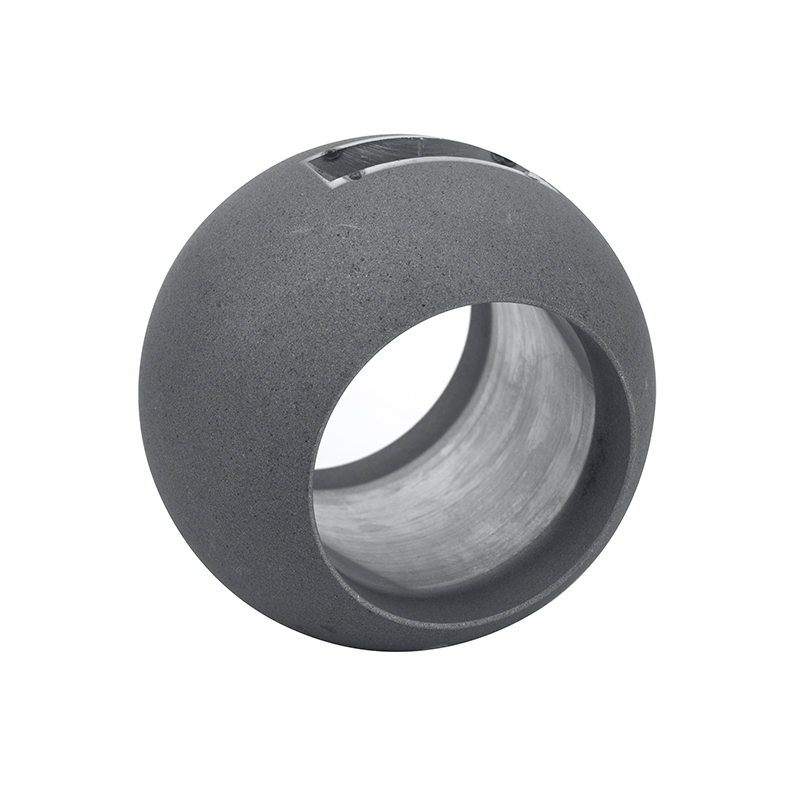
 English
 Español
 Deutsch


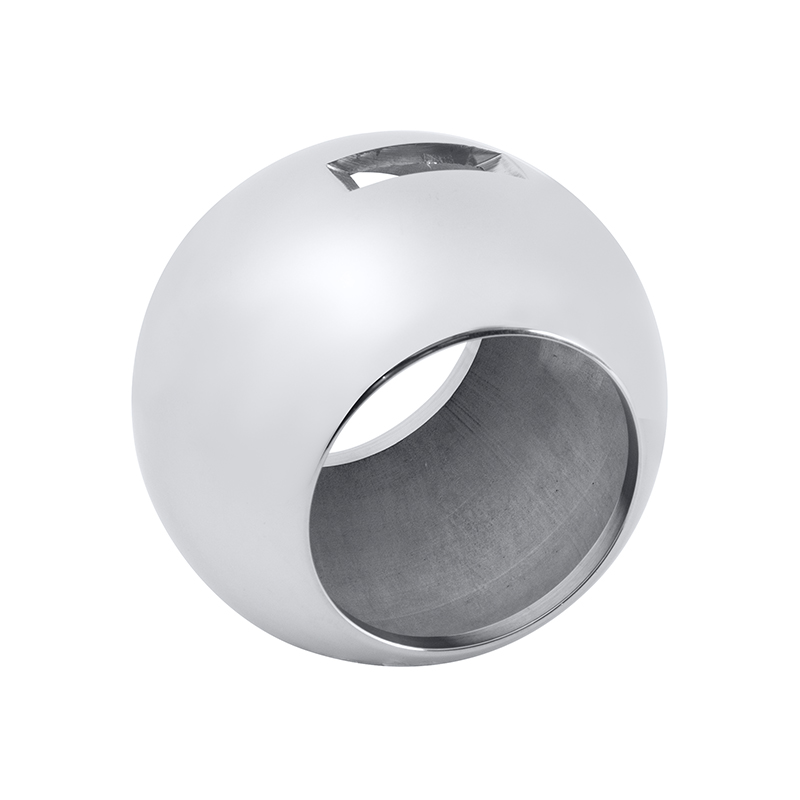
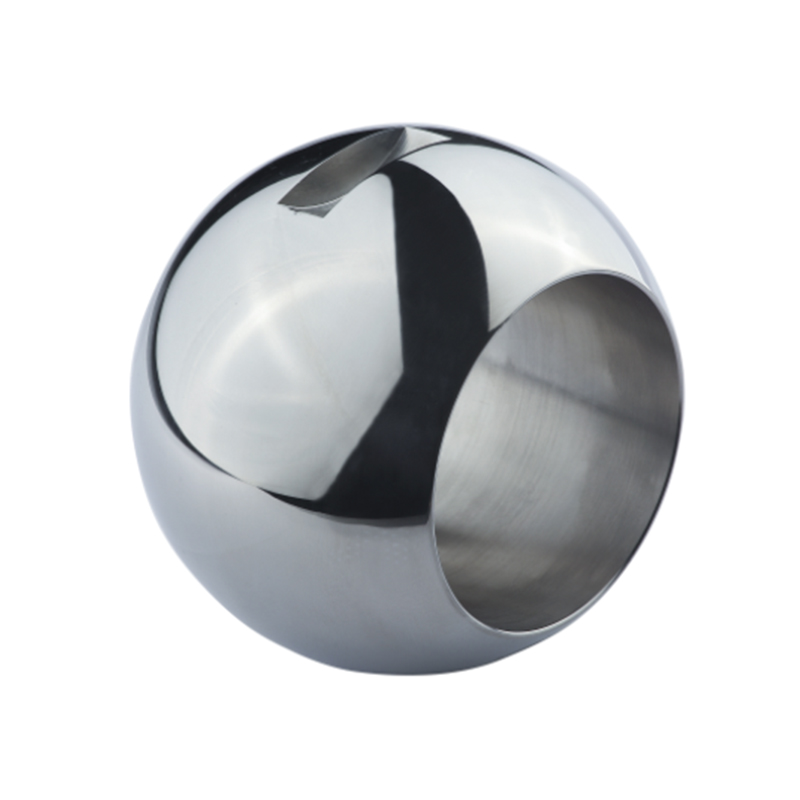
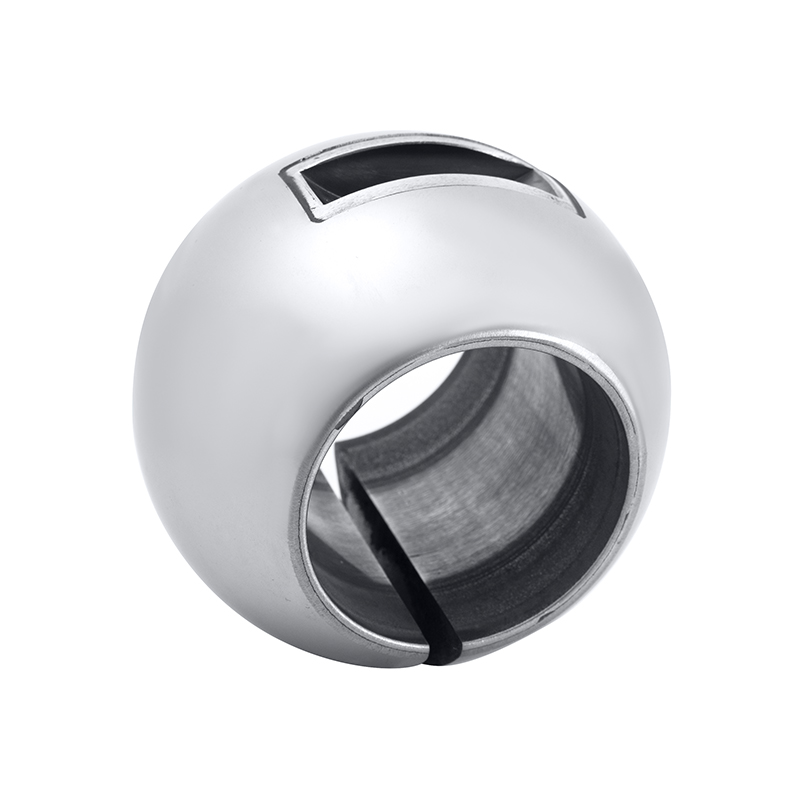
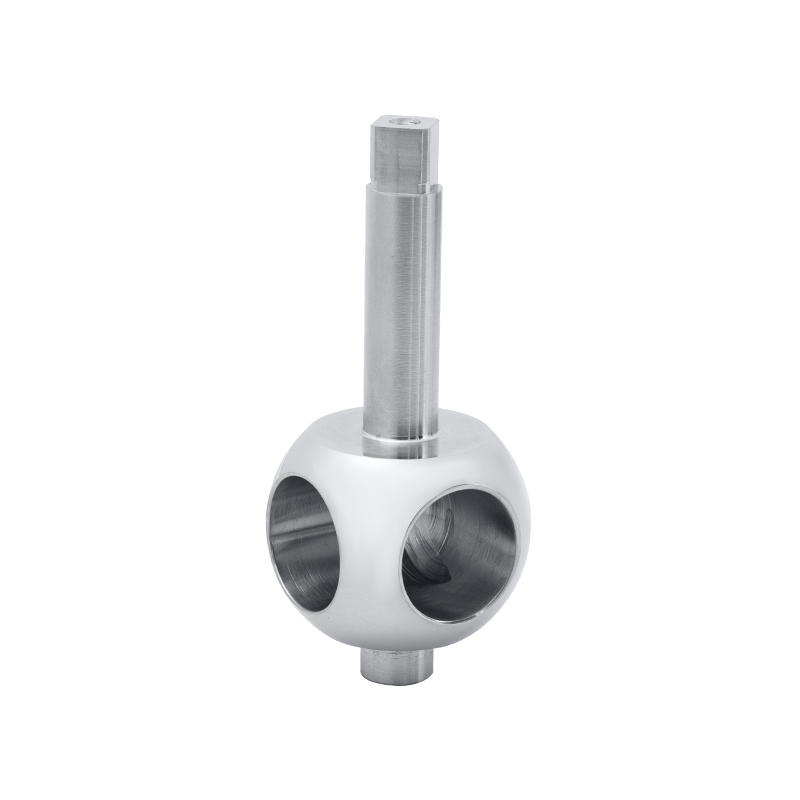
As industrial facilities continue to adopt automated flow control systems, valve components must meet increasingly specific requirements for compatibility and consistent operation. Pneumatic and electric actuators are widely used in applications where valves need to open and close according to process signals, making the relationship between the actuator, stem, and ball particularly important. For valve manufacturers sourcing Valve Balls with Stems, the challenge is not simply finding components with matching dimensions. Buyers also need to consider torque transmission, connection stability, machining consistency, and the requirements of repeated operation. These factors deserve attention during component development rather than being addressed only after assembly problems appear.
Actuator Compatibility Begins With Stem Design
The valve stem connects the operating mechanism to the internal ball. Its dimensions and connection geometry must correspond with the valve design and the actuator interface.
If the stem configuration is not properly matched, manufacturers may encounter assembly difficulties or problems when transferring rotational force. Buyers should therefore confirm the stem shape, connection dimensions, engagement depth, and relevant tolerances before approving a component.
For automated valve applications, it is also important to review the actuator's operating requirements. The stem and ball assembly should be evaluated as part of the complete valve system instead of being selected as an isolated component.
Repeated Operation Places Demands on Component Consistency
Automated valves may operate according to scheduled processes, control signals, or changing operating conditions. Repeated opening and closing can make dimensional consistency and connection quality particularly important.
A component that performs correctly during initial assembly may still create difficulties if manufacturing variations affect the connection between the stem and ball. For batch production, buyers should pay attention to the consistency of critical dimensions across different production lots.
Manufacturers can support this requirement through controlled machining procedures, inspection of functional features, and clear acceptance criteria agreed upon before production.
Material Selection Should Match the Service Environment
Valve components are not exposed to identical working conditions. Some applications involve corrosive media, while others require consideration of temperature, pressure, or specific mechanical properties.
When selecting materials for a ball and stem assembly, buyers should evaluate the process medium, operating conditions, valve design, and applicable material specifications. Stainless steel grades and alloy materials may be considered according to the actual requirements.
It is also worth checking whether the selected material combination is appropriate for the complete assembly. Material selection should not be based solely on the name of a metal or its general reputation for corrosion resistance.
Machining Accuracy Influences Assembly Performance
A valve ball and stem assembly contains several functional surfaces and connection features that require appropriate machining control. These may include the ball's external geometry, stem connection, mounting features, and other dimensions defined by the technical drawing.
For manufacturers, the key is to identify which dimensions directly affect assembly and movement. Inspection should focus on these features rather than relying only on general appearance checks.
A practical quality control process may include:
- Verification of incoming material specifications
- Inspection of critical dimensions during machining
- Checking stem-to-ball connection features
- Reviewing surface finish requirements
- Final dimensional inspection before shipment
The specific inspection method should be determined by the component design and customer requirements.
Surface Treatment Must Be Application-Specific
Surface finishing can influence how valve components perform in their intended environment. Depending on the design, manufacturers may use precision grinding, polishing, or specified coating processes for selected surfaces.
However, not every surface requires the same treatment. The ball's sealing-related surfaces and the stem's functional areas may have different technical requirements. Applying a finishing process without considering these differences can create unnecessary cost or fail to address the actual performance requirement.
Buyers should clearly identify the surfaces that need special treatment and confirm the required finish through drawings and inspection documentation.
Prototype Evaluation Can Prevent Batch Production Issues
Before placing a large order, it is useful to evaluate a sample assembly against the intended valve design. This allows engineers to check whether the ball and stem fit correctly, whether the connection is suitable, and whether the components work with the associated valve structure.
For customized projects, the sample review should cover more than dimensional comparison. Buyers may also need to assess assembly procedures, operating movement, and compatibility with the selected actuator.
Any changes identified during this stage should be reflected in the approved technical drawing. Maintaining a confirmed specification provides a reference for subsequent production and repeat orders.
Work With a Manufacturer That Understands Complete Assembly Requirements
Automated valve performance depends on the coordination of multiple components, and the ball-and-stem assembly is an important part of that relationship. As a manufacturer serving industrial valve production, Zhejiang Boshi Valve Technology Co., Ltd. recognizes the importance of connecting machining accuracy, material selection, surface treatment, and customized specifications. For overseas buyers searching for a dependable Valve Ball Factory, evaluating the supplier's ability to understand drawings and maintain consistent component requirements can help reduce procurement uncertainty. Selecting properly specified Valve Balls with Stems gives valve manufacturers a stronger foundation for assembly compatibility and reliable operation in automated flow control applications.