 English
 Español
 Deutsch


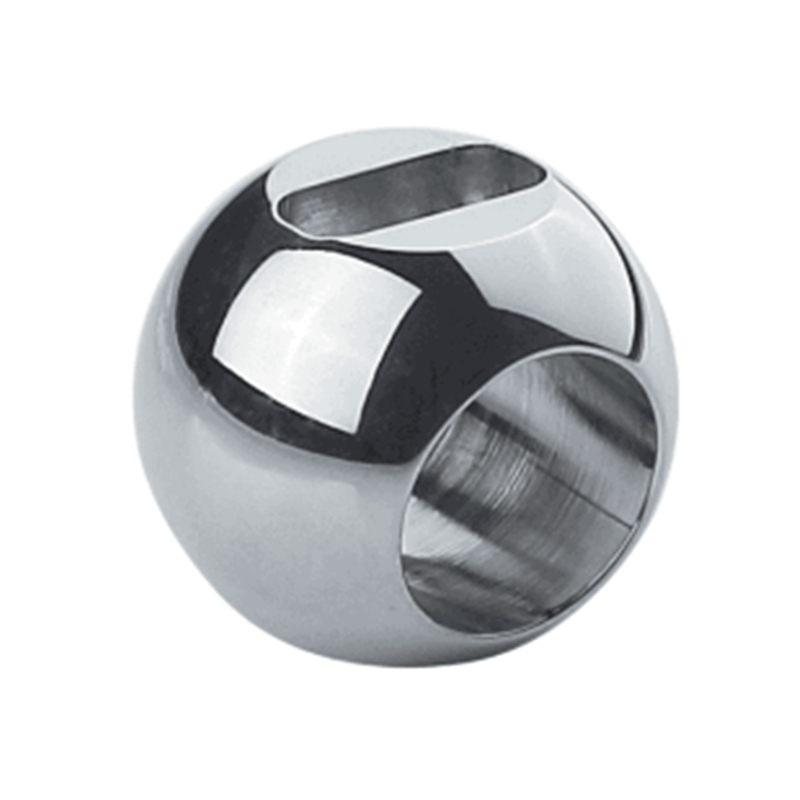
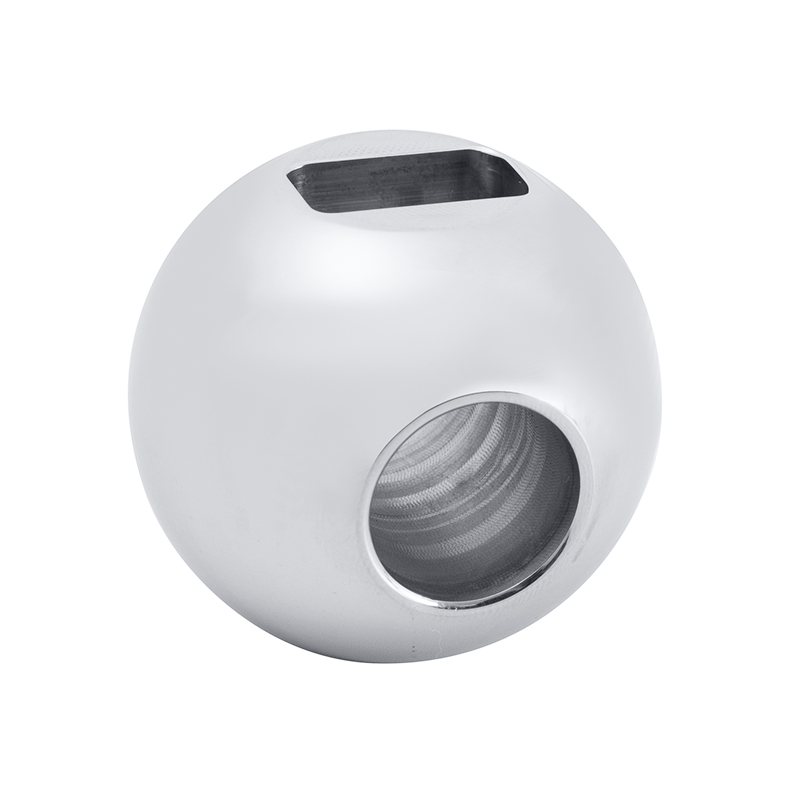
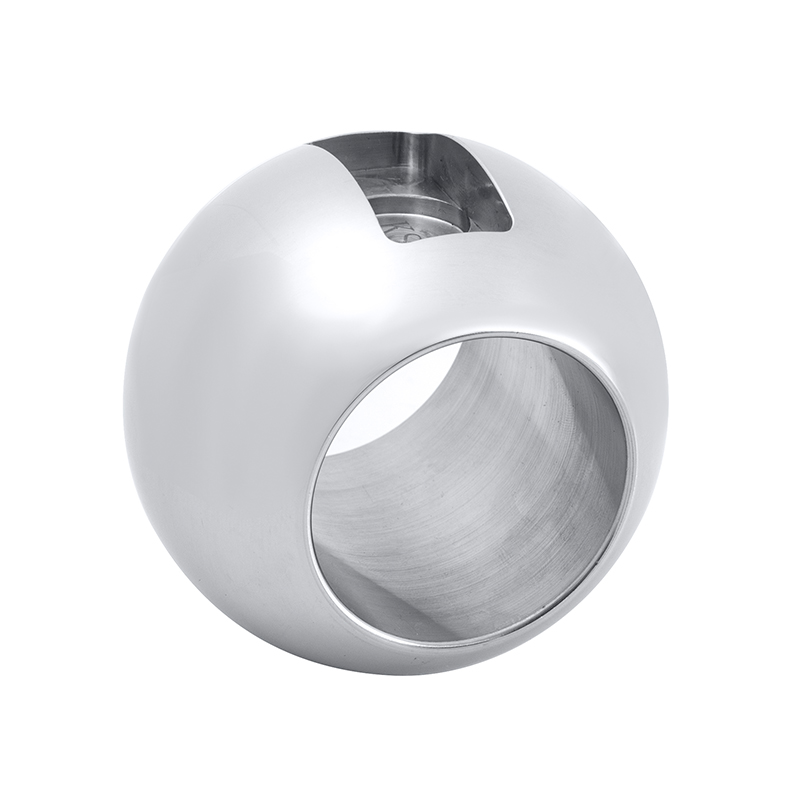
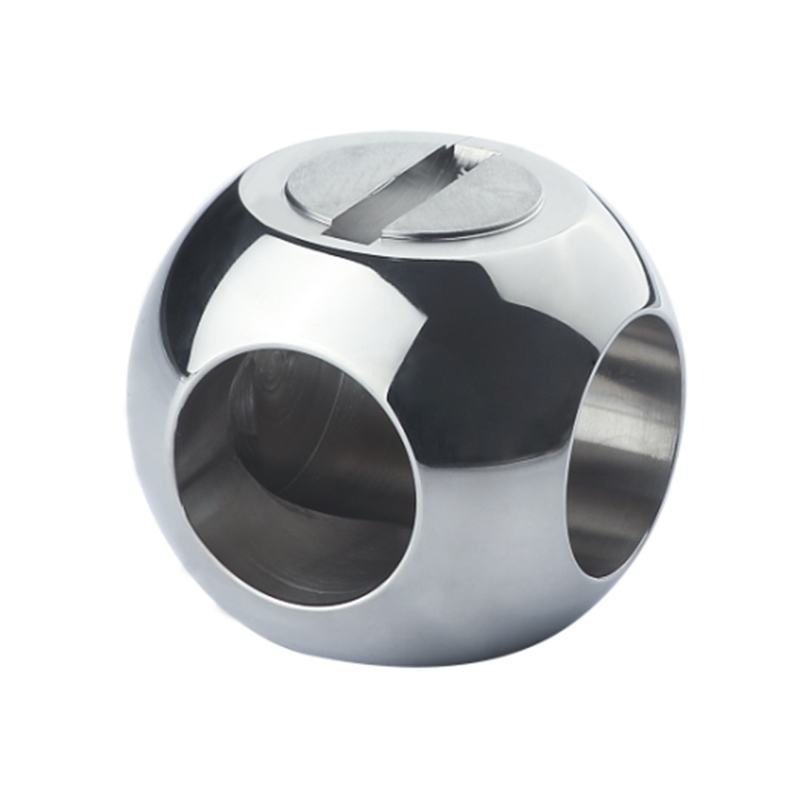
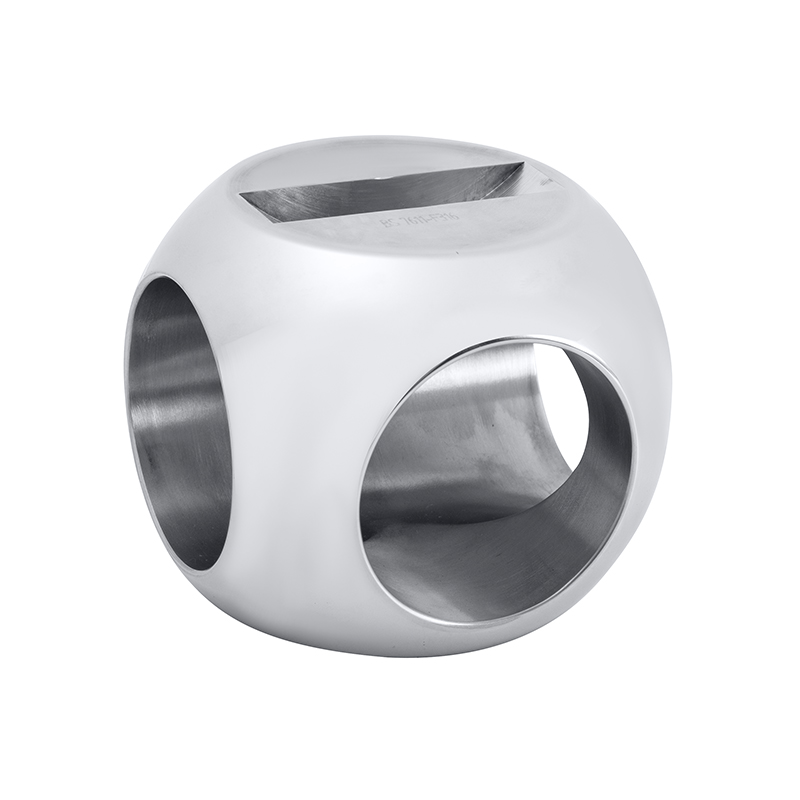
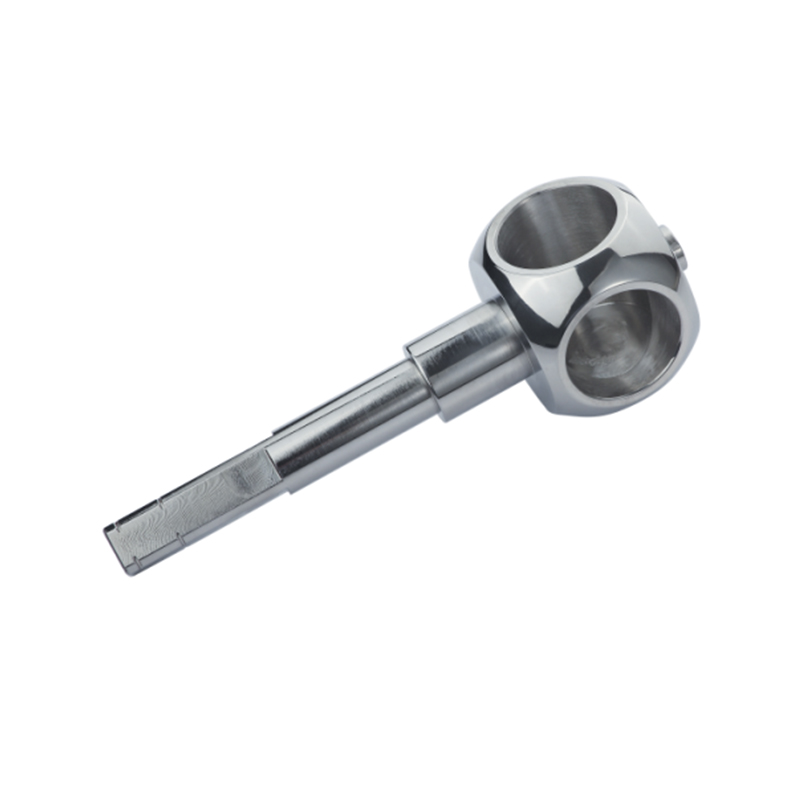
In industrial valve manufacturing, the connection between the ball and stem deserves careful attention because it affects how the valve components work together during operation. For procurement teams sourcing Valve Balls with Stems, selecting a suitable component involves more than comparing prices or checking the outer dimensions. Buyers also need to consider drawing accuracy, connection design, material requirements, surface condition, and compatibility with the intended valve assembly. For Zhejiang Boshi Valve Technology Co., Ltd., these considerations provide a practical starting point for discussing component requirements with international customers.
Why Does Ball-to-Stem Compatibility Matter?
The ball and stem must match the valve's intended design. Their connection may vary according to the valve structure and operating requirements, so a component that appears similar in size may not be interchangeable with an existing part.
Before requesting a quotation, buyers should provide an approved drawing or a clearly identified reference sample. Important details may include the ball diameter, port geometry, stem connection dimensions, and the orientation of relevant features. If the component will replace an existing part, buyers should also identify any design revisions that could affect compatibility.
Clear documentation helps manufacturers evaluate the requested configuration and reduces the risk of misunderstandings during production.
How Can Drawing Accuracy Reduce Procurement Problems?
A drawing communicates more than a component's basic shape. It defines the dimensional relationships that determine whether the ball and stem fit the surrounding valve assembly.
Buyers should identify critical dimensions and specify acceptable tolerances rather than applying the same tolerance to every feature. The required limits depend on the design, function, and mating components. Unnecessarily restrictive tolerances can increase manufacturing demands, while insufficiently defined requirements may lead to parts that do not fit as expected.
Before production begins, both parties should agree on the latest drawing revision, measurement references, and acceptance criteria. This is particularly useful for repeat orders, where consistency with previously approved components matters.
Which Material Requirements Should Be Confirmed?
Material selection depends on the intended service conditions and the design of the complete valve. Factors such as the process medium, operating temperature, pressure conditions, and compatibility with other components may influence the specification.
Procurement teams should clearly identify the required material grade and any applicable material documentation. They should also distinguish between requirements for the ball, stem, and any specified surface treatment rather than assuming that every component uses the same material.
When the application has demanding corrosion or wear requirements, buyers should discuss these conditions with the manufacturer before confirming the order. Material suitability should be evaluated against the actual service environment, not based on a general product description alone.
What Inspection Details Should Buyers Discuss?
A useful inspection plan focuses on the characteristics that matter to the component's intended function. Depending on the approved drawing and purchase specification, relevant checks may include:
- Key dimensions and the ball-to-stem connection geometry.
- Surface condition and any specified finish requirements.
- Material identification and documentation, where required.
- Acceptance criteria and inspection records agreed upon before production.
The appropriate inspection scope depends on the order. Buyers should confirm which checks are required, how results will be documented, and whether any additional verification is needed before shipment.
How Can Manufacturers Support More Consistent Repeat Orders?
Repeat procurement can become difficult when drawings, samples, and order descriptions contain inconsistent information. A previously approved component may be difficult to reproduce accurately if its revision status or special requirements are not clearly recorded.
Manufacturers and buyers can reduce this risk by maintaining an agreed technical specification, identifying approved revisions, and documenting any changes before production. For recurring orders, it is also helpful to clarify packaging, part identification, quantities, and delivery expectations in advance.
These steps create a clearer reference for subsequent orders and help both parties manage changes without relying on assumptions.
What Makes a Valve Ball Factory a Suitable Supplier?
Price is only one part of supplier evaluation. Buyers should also assess whether a manufacturer understands the drawing, asks relevant technical questions, communicates production requirements clearly, and can provide documentation appropriate to the order.
When evaluating a Valve Ball Factory, procurement teams can request a review of the component specification, clarification of critical dimensions, and confirmation of the agreed inspection requirements. These discussions help establish whether the proposed manufacturing arrangement matches the project's needs.
For Zhejiang Boshi Valve Technology Co., Ltd., clear communication around Valve Balls with Stems provides a practical foundation for discussing customized component requirements. By aligning drawings, material specifications, inspection expectations, and order details before production, buyers and manufacturers can reduce avoidable sourcing problems and work toward more consistent supply arrangements.