 English
 Español
 Deutsch

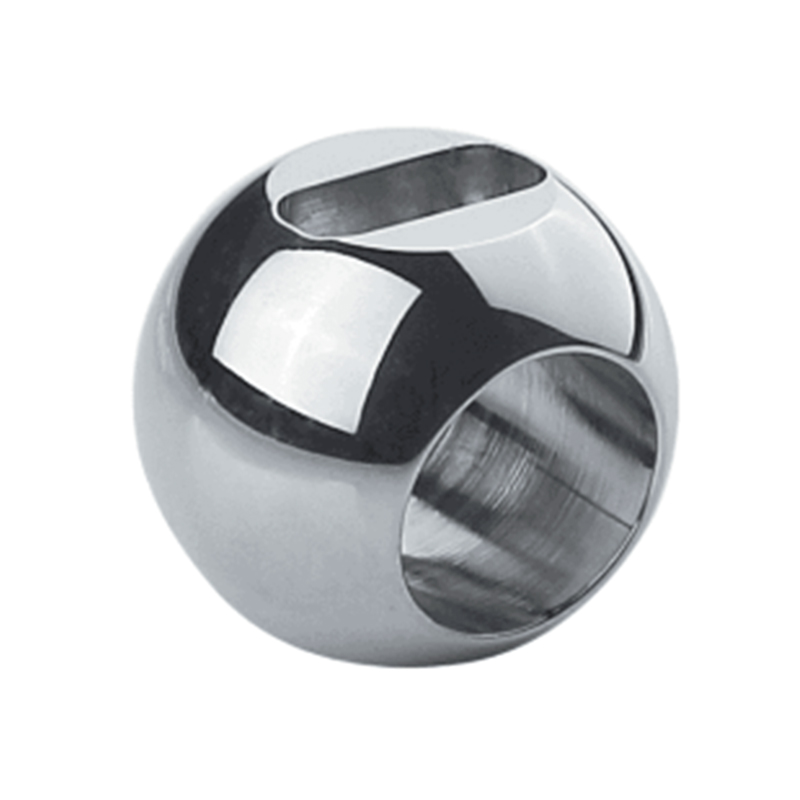
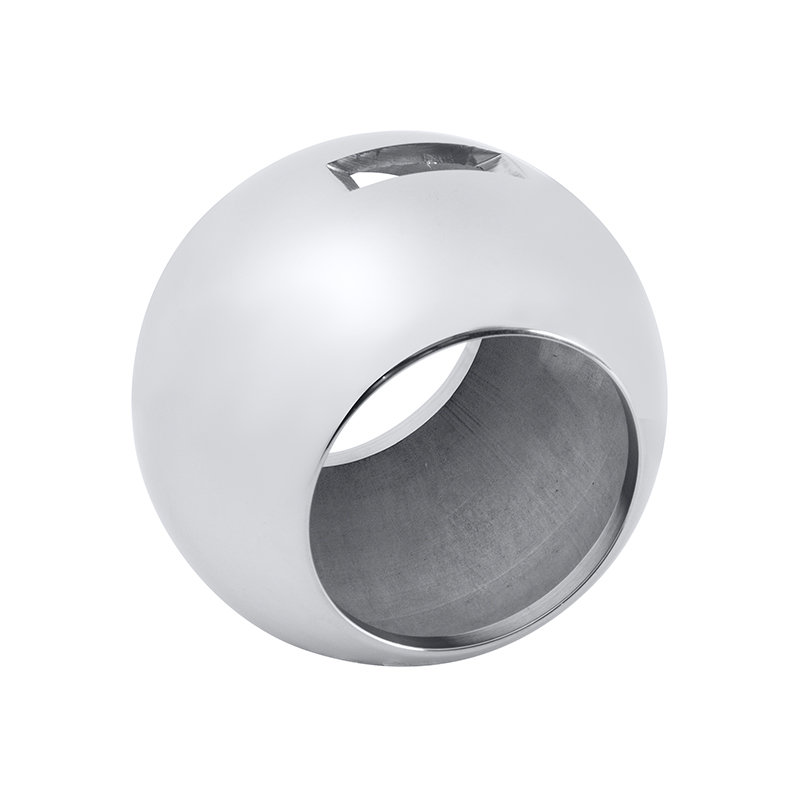
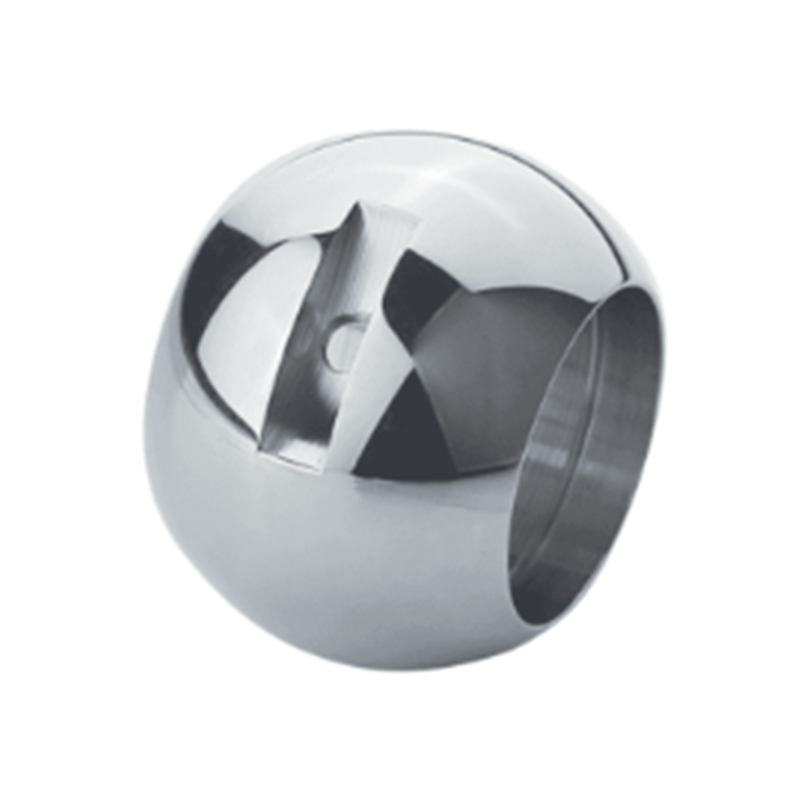
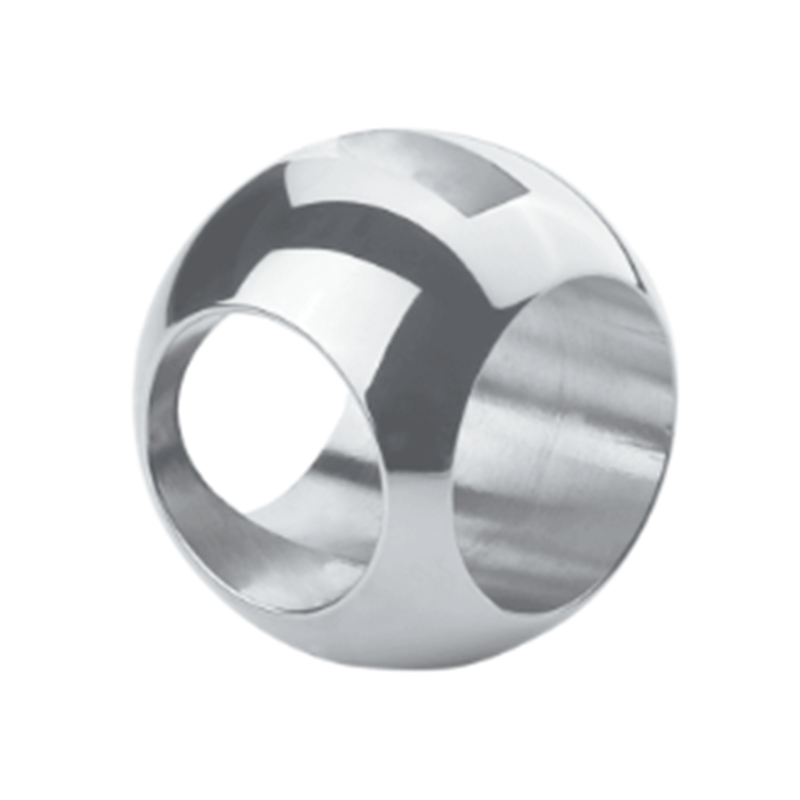
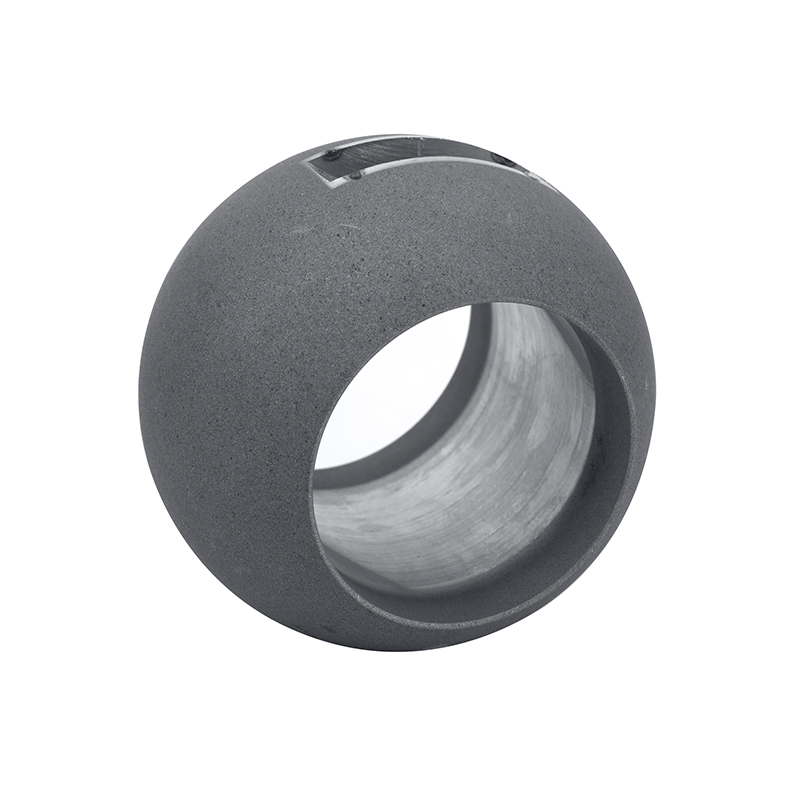
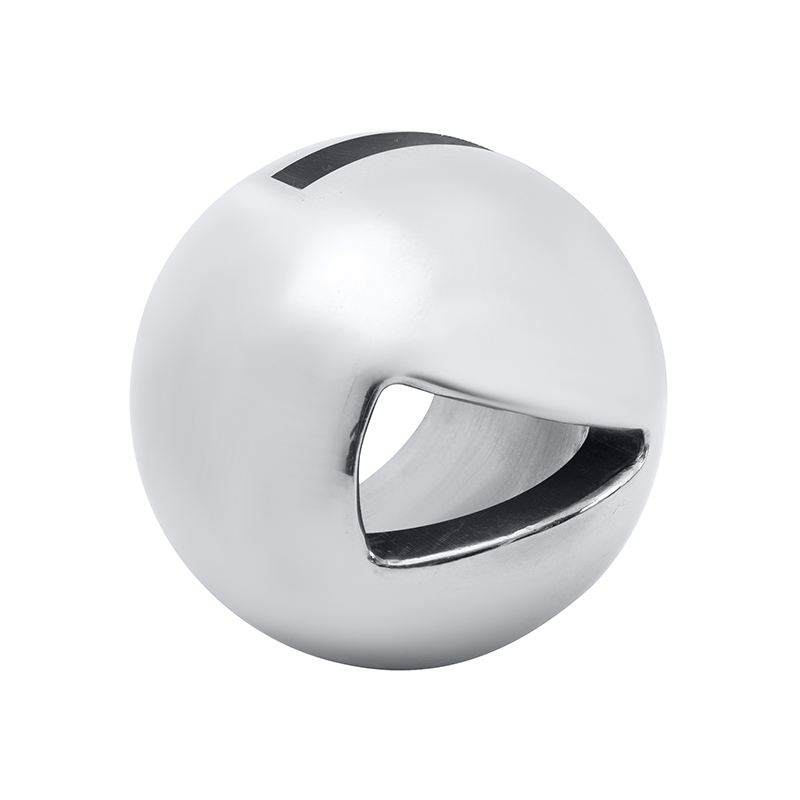
Maintenance engineers and piping distributors working across water, gas, and chemical lines keep running into a frustrating pattern: a newly installed ball valve starts weeping at the stem or seat within months, while the valve body itself looks perfectly sound. In many cases the real culprit is a worn seal, an ill-fitting stem part, or a ball with poor surface finish. For buyers sourcing ball valve accessories, working with a dependable valve ball factory has become one of the most practical ways to cut down on leakage complaints and repeat service calls.
What Buyers Are Searching for This Season
Recent activity across industrial piping forums and distributor groups shows a move away from generic valve searches toward component-level questions. Buyers want to know which seat materials suit their media, how stem seals behave under repeated cycling, and whether replacement parts from one supplier will fit valves from another. This reflects a more experienced purchasing base that has already dealt with a leaking valve and wants technical answers before reordering.
Why the Ball Itself Decides Sealing Performance
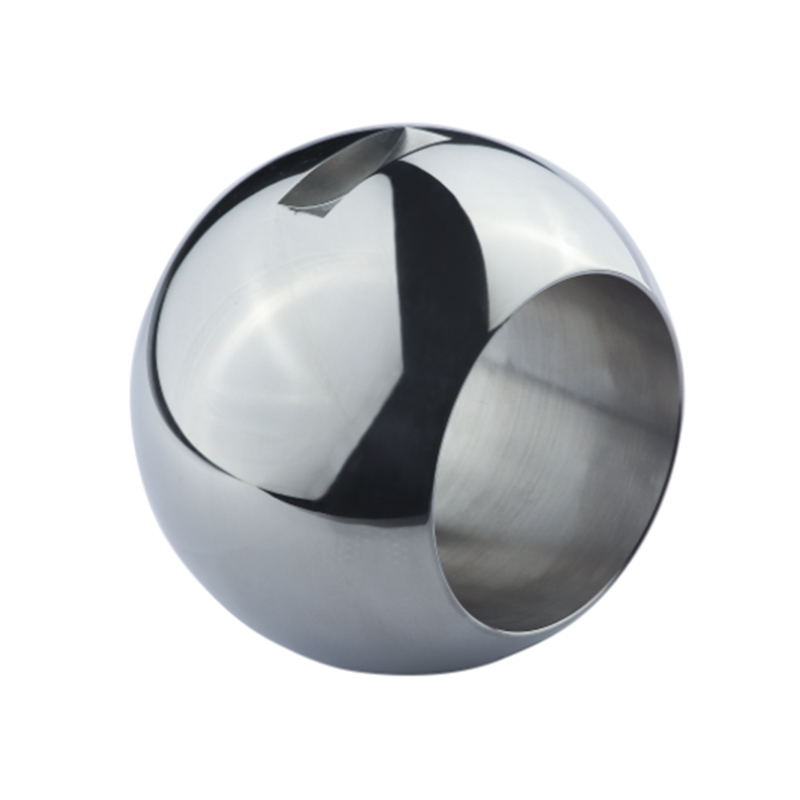
The sphere is the heart of the valve, and its roundness and surface finish determine how evenly it presses against the seats. A ball with slight dimensional variation or machining marks can wear the seats unevenly, leading to seepage even when the valve is fully closed. Buyers should ask how each ball is machined, polished, and inspected, and whether the supplier checks sphericity and surface roughness batch by batch rather than relying on sample checks alone.
Accessories That Fail First in Service
As a manufacturer, our technical team hears the same questions from distributors and maintenance buyers across many markets. These components tend to need attention first:
- Seats worn by abrasive particles or repeated cycling
- Stem seals and O-rings hardened by heat or chemical exposure
- Stems with insufficient strength for high-torque operation
- Handles and levers that loosen or deform over time
- Gaskets and packing that lose compression after thermal cycling
Stocking these parts in advance keeps a small repair from turning into a line shutdown.
Matching Materials to the Working Medium
Seat and seal materials behave very differently depending on temperature, pressure, and fluid type. PTFE-based seats suit many general and corrosive applications, while reinforced grades handle higher loads and temperatures. Elastomer seals need to be chosen with chemical compatibility in mind, since the wrong compound can swell or crack quickly. Sharing media details with your supplier early helps avoid mismatches that cause early failure.
Compatibility and Interchangeability Concerns
Distributors often struggle with replacement parts that almost fit but not quite. Small differences in stem dimensions, flange patterns, or seat thickness can prevent proper assembly. Requesting dimensional drawings and confirming the valve series a part is designed for reduces returns and saves technicians time on site.
Quality Controls Worth Asking About
Buyers can reasonably request material certificates, dimensional inspection records, and pressure test results for each production lot. Foundry and machining controls, along with traceable batch numbers, make it easier to investigate any issue that appears in the field and support long-term supply agreements.
What to Confirm Before Placing a Bulk Order
Before committing to volume, ask for sample parts to test in your own applications, clarify minimum order quantities, and confirm lead times for repeat orders. Suppliers who offer customization for sizes, materials, and branding often prove easier partners for distributors serving varied regional markets.
For engineers and procurement teams planning their next restocking cycle, pairing well-chosen ball valve accessories with a reliable valve ball factory supports tighter sealing, easier maintenance, and fewer unplanned stoppages over the life of the system.