 English
 Español
 Deutsch

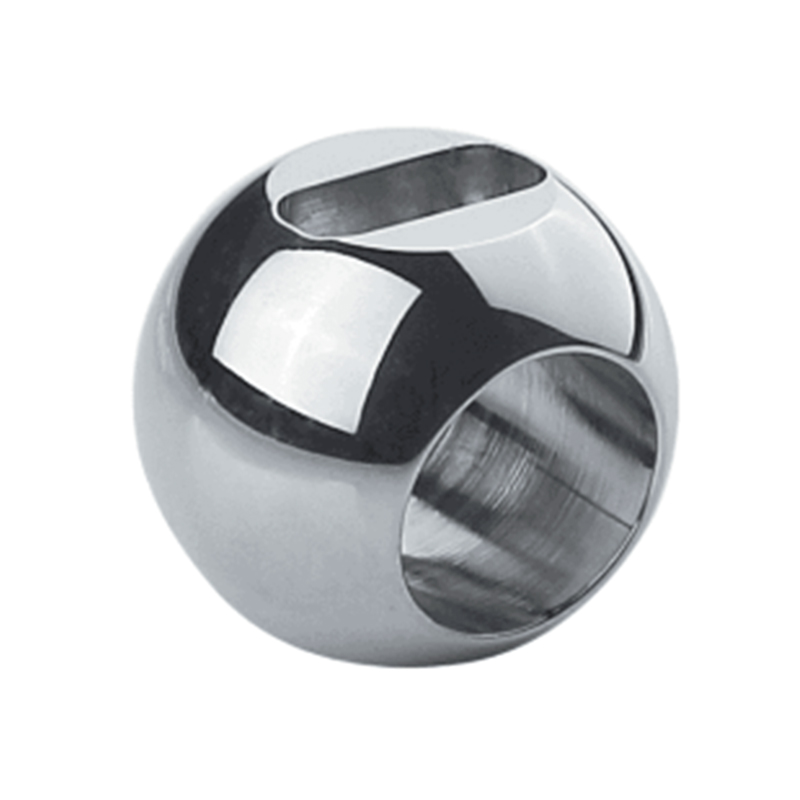
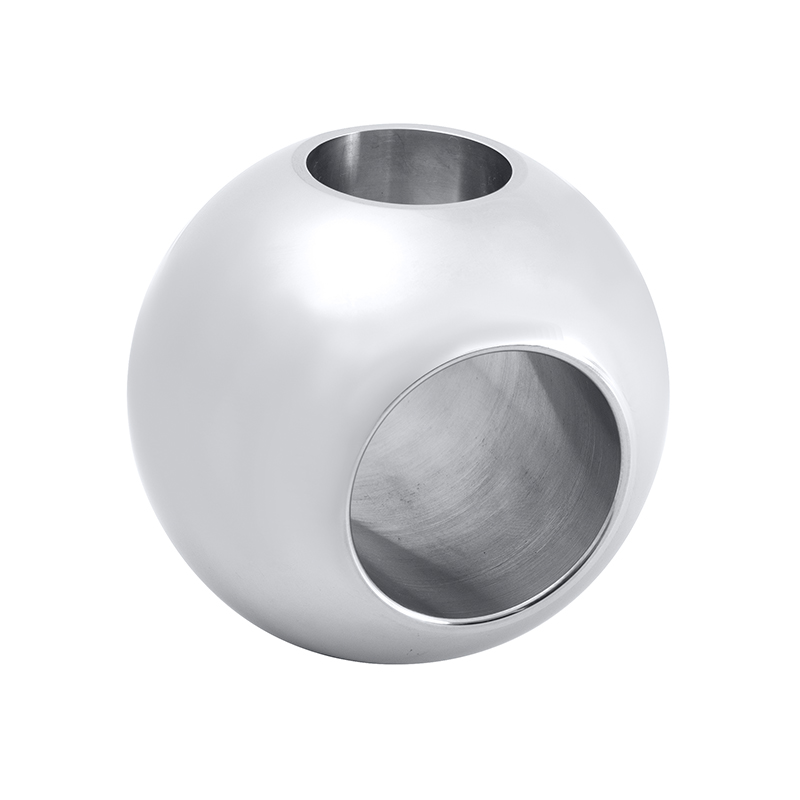
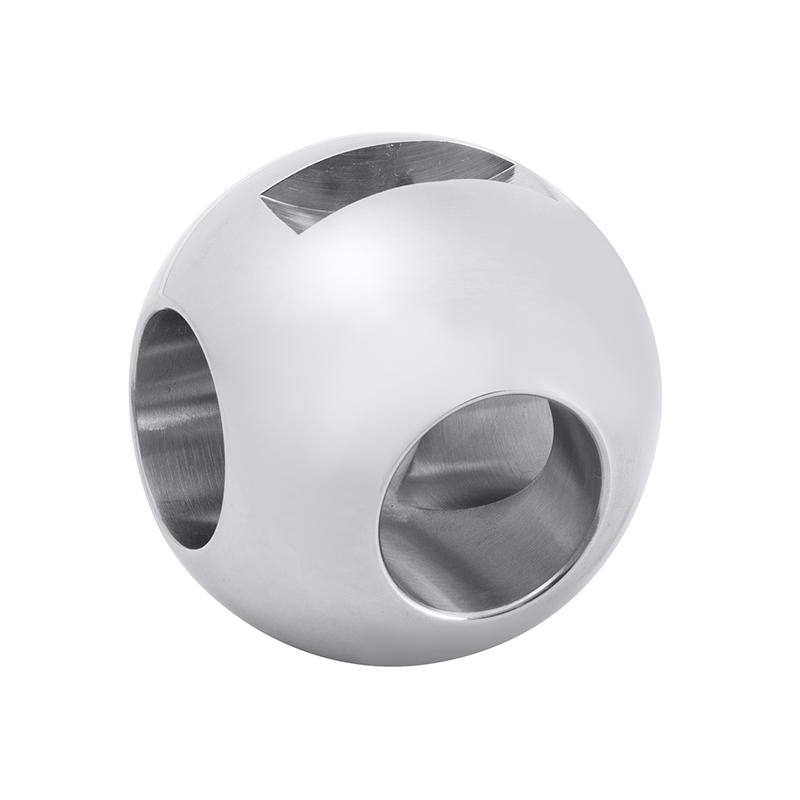
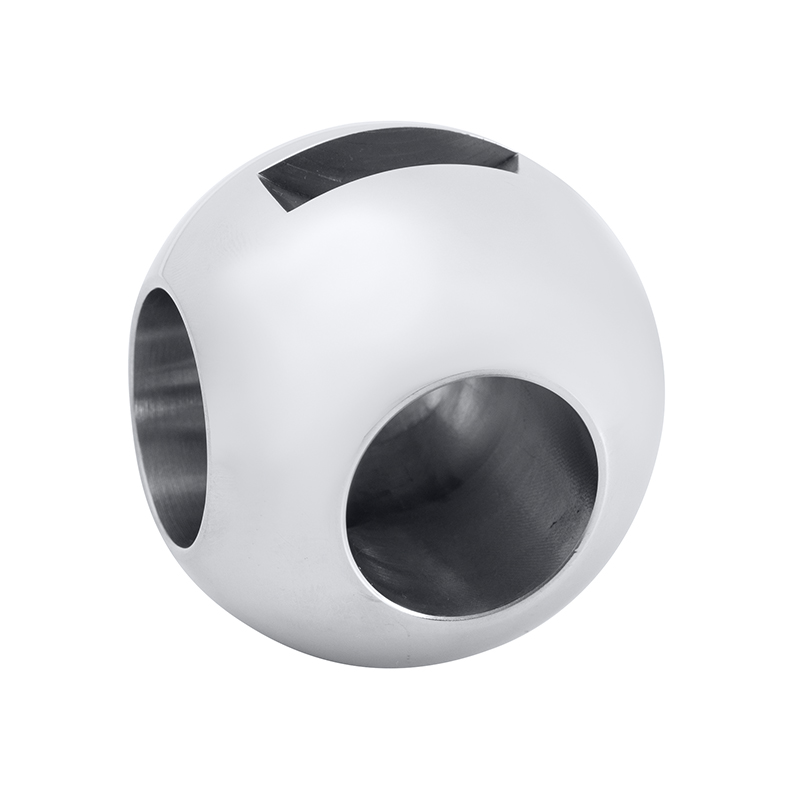
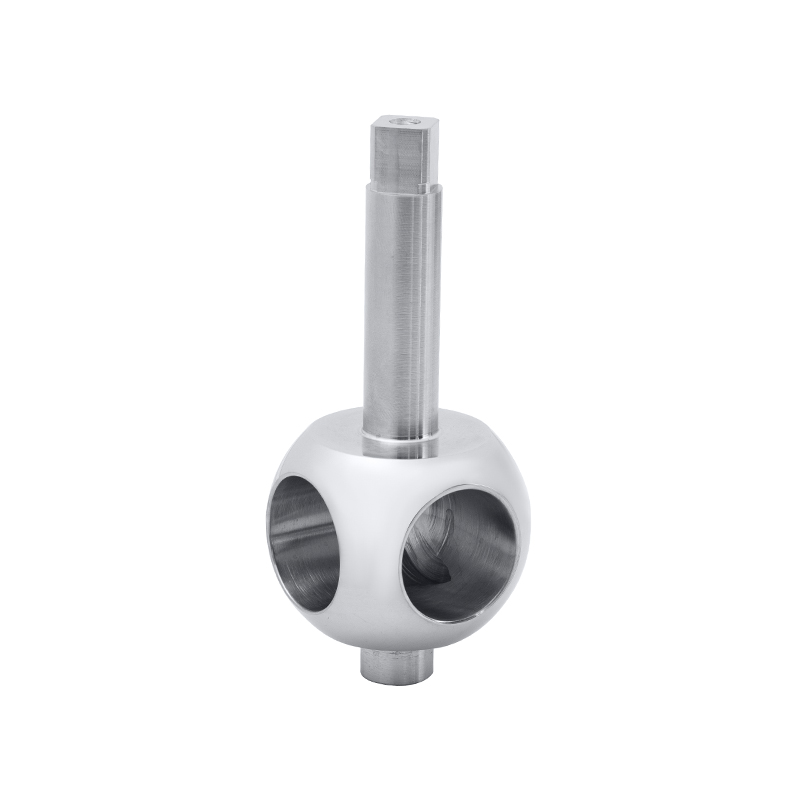
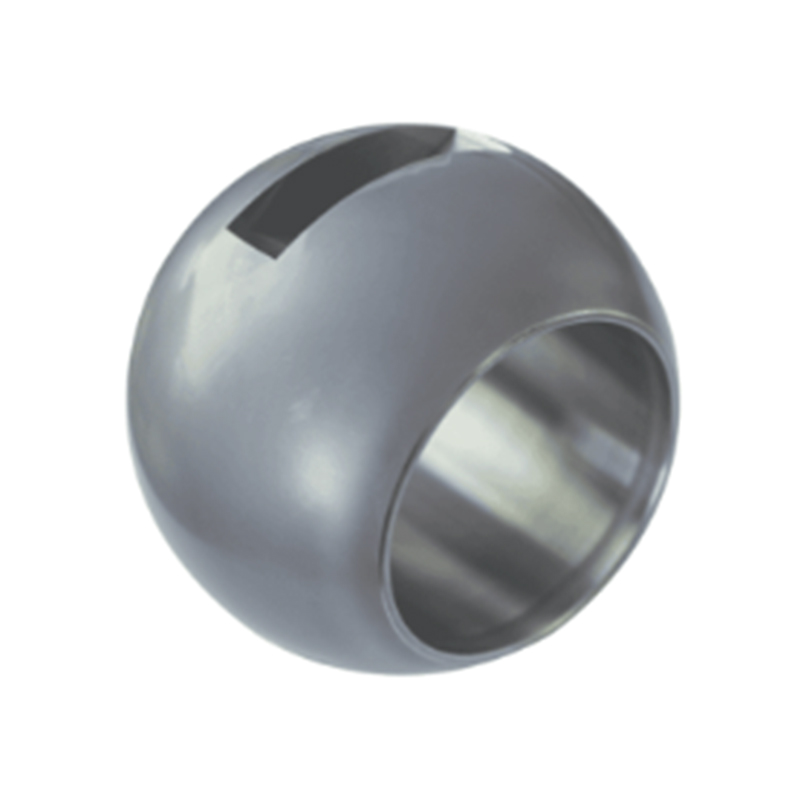
Industrial valve buyers are paying closer attention to what happens inside a valve, not only to the finished assembly. As process industries place greater emphasis on leakage control, material verification, automation, and lifecycle reliability, component selection has become an important part of procurement decisions. For engineers and distributors, properly matched Ball Valve Accessories can help create a more predictable assembly, while working with an experienced Valve Ball Factory can make customized component sourcing easier to manage.
Why Do Internal Components Deserve More Attention?
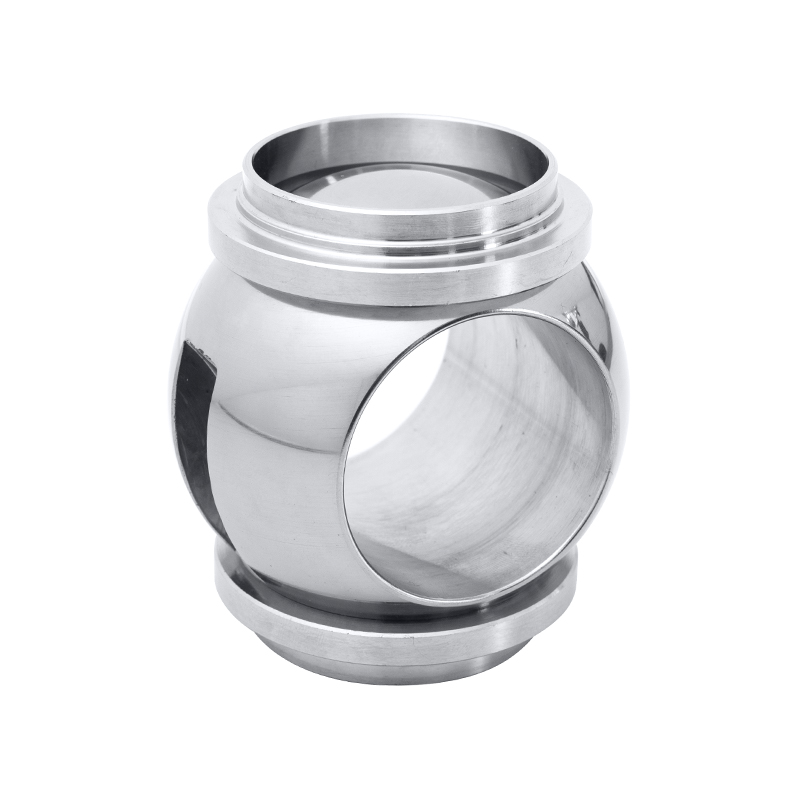
A ball valve is made up of multiple components that must work together within the intended operating conditions. The valve ball, stem, seats, seals, and other accessories all influence how the finished valve operates.
For manufacturers, this means a component should not be evaluated only by its appearance or basic dimensions. Material compatibility, machining accuracy, surface condition, connection details, and interaction with surrounding components need to be considered during development.
How Does Material Selection Affect Component Performance?
Different applications can expose valve components to different temperatures, pressures, chemicals, and mechanical conditions. A material that works well for one service may not be appropriate for another.
This is why buyers often provide detailed material and application requirements when requesting customized valve components. Stainless steel grades, alloy materials, surface treatments, and other specifications may need to be selected according to the valve design and intended service.
A useful procurement review can include:
- Required material grade
- Valve size and pressure class
- Operating temperature
- Fluid characteristics
- Surface finish requirements
- Corrosion or wear considerations
- Applicable drawings and technical standards
Clear requirements at this stage can reduce unnecessary revisions during production.
Can Machining Accuracy Improve Assembly Consistency?
The valve ball is a precision component that needs to interact correctly with the valve seat and other internal parts. Dimensional deviations or unsuitable surface conditions can affect assembly and sealing behavior.
For a manufacturer, machining therefore needs to be controlled as part of a wider production process rather than treated as an isolated operation. Inspection at appropriate stages can help identify dimensional issues before components move further into assembly.
Recent valve manufacturing discussions also place greater emphasis on in-process measurement and automated inspection as manufacturers seek more consistent production and better use of quality data.
Why Is Surface Treatment Relevant to Buyers?
Surface condition can be an important consideration for valve balls used in demanding applications. Depending on the design and service environment, buyers may require polishing, coating, overlay welding, or other surface treatments.
The appropriate treatment depends on the application rather than a single universal specification. Engineers should therefore communicate the intended service conditions and required finish when developing customized components.
From our manufacturing perspective, matching the surface treatment to the valve design helps avoid treating finishing as an afterthought.
How Does Traceability Support Industrial Procurement?
Traceability has become increasingly relevant as industrial buyers request clearer documentation of materials and production processes. Current valve manufacturing practices increasingly connect material records, inspection results, and production information to individual components or finished valves.
For buyers, useful documentation may include material certificates, dimensional inspection records, testing information, and identification details where required by the project.
This is particularly valuable for distributors and engineering companies that need to maintain consistent records across multiple orders.
When Should Buyers Choose Customized Components?
Standard components can be suitable for established valve designs, but customized requirements may arise when a project involves unusual dimensions, materials, surface finishes, or connection configurations.
A customized component should begin with a clear technical reference. Drawings, samples, material specifications, and application information allow the manufacturer to understand the actual requirement before production begins.
This approach also gives engineers an opportunity to review manufacturability and identify potential issues before committing to a larger production run.
What Should Buyers Expect From a Component Manufacturer?
Choosing a supplier for Ball Valve Accessories involves more than comparing unit prices. Buyers need to consider whether the supplier can understand technical drawings, control machining processes, manage material requirements, perform appropriate inspections, and maintain consistent documentation.
As a Valve Ball Factory, we focus on connecting engineering requirements with practical manufacturing processes. For overseas buyers, this means supporting customized valve component development from material selection and machining through surface treatment and inspection, helping ensure that each component is prepared for its intended ball valve application.