 English
 Español
 Deutsch

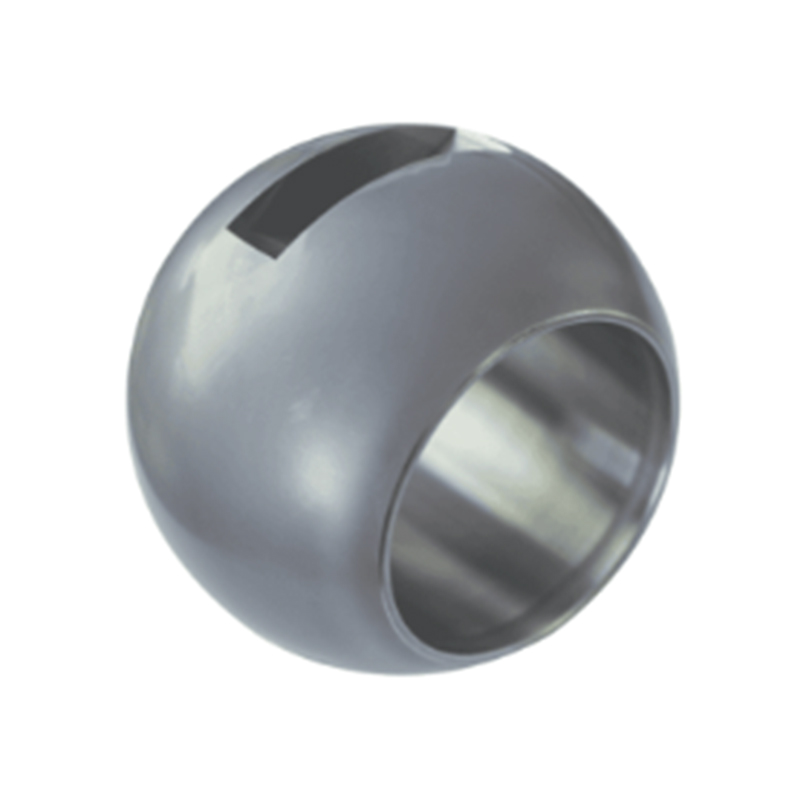
Industrial valve projects rarely operate under identical conditions. Pressure, temperature, fluid composition, particle content, valve structure, and operating frequency can all influence the performance of the sealing component. For procurement teams, choosing a standard valve ball simply because its dimensions appear compatible may create problems during assembly or long-term operation. A properly specified Hard Seal Ball should instead be selected according to the complete valve design and actual service conditions. This is why custom manufacturing has become an important option for valve manufacturers and industrial equipment suppliers seeking better component compatibility.
When Standard Dimensions Are Not Enough
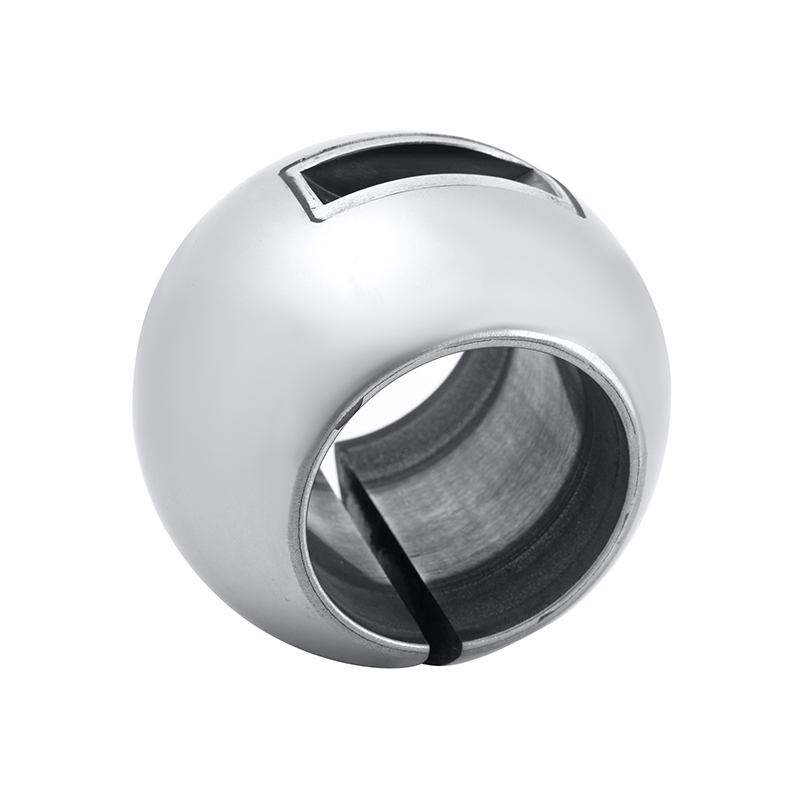
Standard valve balls are practical for common valve configurations, but they may not suit projects involving unusual bore sizes, special stem connections, non-standard grooves, or specific sealing structures. A mismatch of even a small design feature can affect assembly and operating behavior.
For OEM buyers, customization is particularly useful when:
- The existing valve uses a non-standard ball size
- A replacement component must match an existing valve body
- The flow passage requires a specific bore configuration
- The project requires a special surface treatment
- The valve must operate with a particular seat design
Producing the ball according to an engineering drawing or qualified sample allows the component to follow the actual valve structure rather than forcing the system to accommodate a catalog specification.
Material Selection Should Follow the Medium
The working medium is one of the first factors engineers should consider. Stainless steels, duplex steels, carbon steels, and nickel-based alloys can provide different combinations of strength, corrosion resistance, and service compatibility.
For example, Boshi manufactures valve balls using materials including F304, F316, F51, F53, A105, LF2, and selected special alloys such as MONEL400 and Inconel 718. Material selection can therefore be matched with requirements involving water, oil, gas, chemicals, high-chloride environments, or other process media.
Surface Treatment Can Change Service Performance
The base material is only part of the engineering decision. The ball surface directly interacts with the valve seat, making hardness, surface finish, and wear resistance important considerations.
Depending on the valve design and service environment, manufacturers may use:
- Mirror polishing for controlled sealing surfaces
- ENP for corrosion and wear resistance
- WC coating for demanding wear conditions
- Ni60 coating for specific surface-hardening requirements
- Overlay welding or thermal spray technologies for selected applications
The correct treatment should be determined by the valve structure and operating conditions rather than selected only for its nominal hardness.
Inspection Needs to Match the Sealing Function
A valve ball may look acceptable while still having dimensional characteristics that affect assembly. For this reason, inspection should focus on the features that influence sealing and movement.
A project-specific inspection plan can include dimensional measurement, material verification, hardness testing, roundness measurement, and surface roughness inspection. For precision valve balls, spherical accuracy and surface condition are particularly important because inconsistent contact between the ball and seat may influence sealing stability and operating torque.
OEM Manufacturing Helps With Replacement Projects
Customization is not limited to newly designed valves. It can also be valuable for maintenance and retrofit projects where an older valve body remains serviceable but its internal ball requires replacement.
Boshi supports drawing-based manufacturing and can also use existing samples as references for dimensional verification. This provides a practical route for valve repair companies and equipment operators that need replacement components without redesigning the complete valve assembly.
A Better Way to Prepare an RFQ
For buyers requesting quotations, providing more technical information at the beginning can make supplier evaluation much more efficient. A useful RFQ package should normally include the ball drawing, material specification, valve type, nominal size, pressure class, bore configuration, surface-treatment requirements, and expected operating medium.
When these details are available, the manufacturer can evaluate production feasibility before pricing and identify potential issues earlier in the project. It also creates a clearer technical basis for comparing quotations from different suppliers.
Why Manufacturing Capability Matters
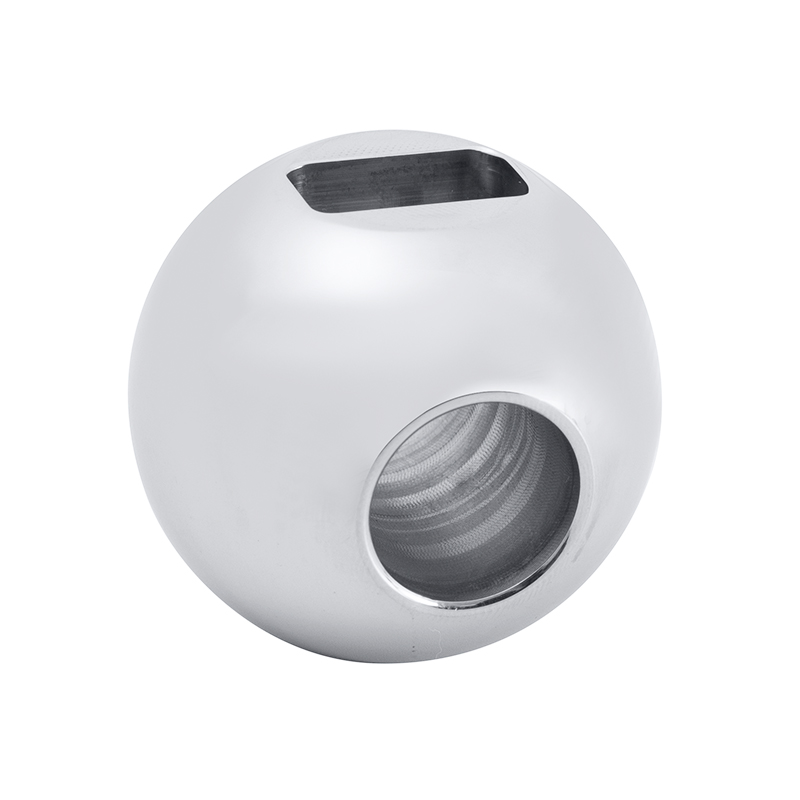
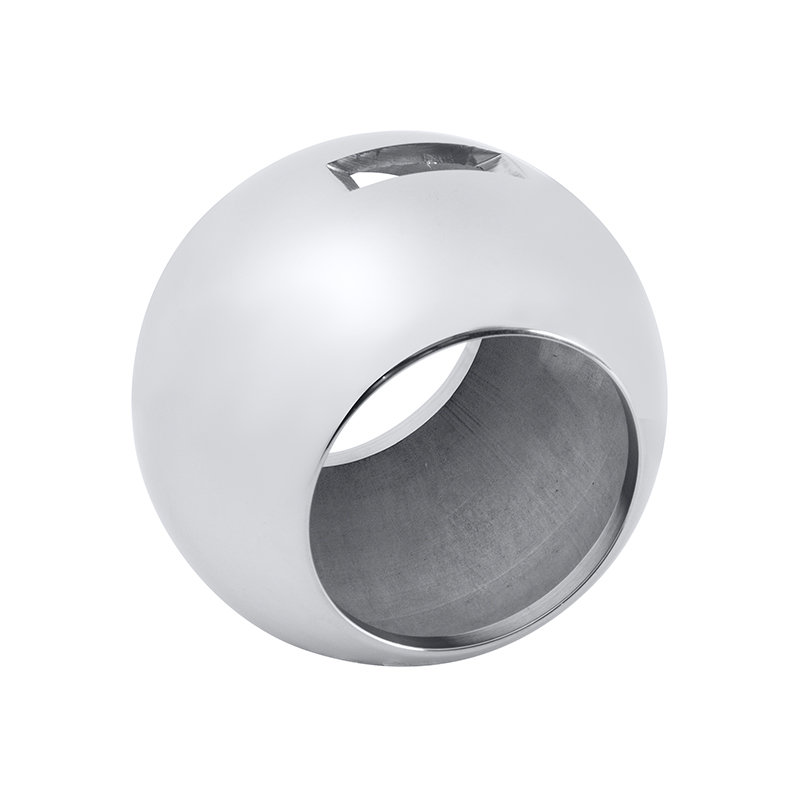
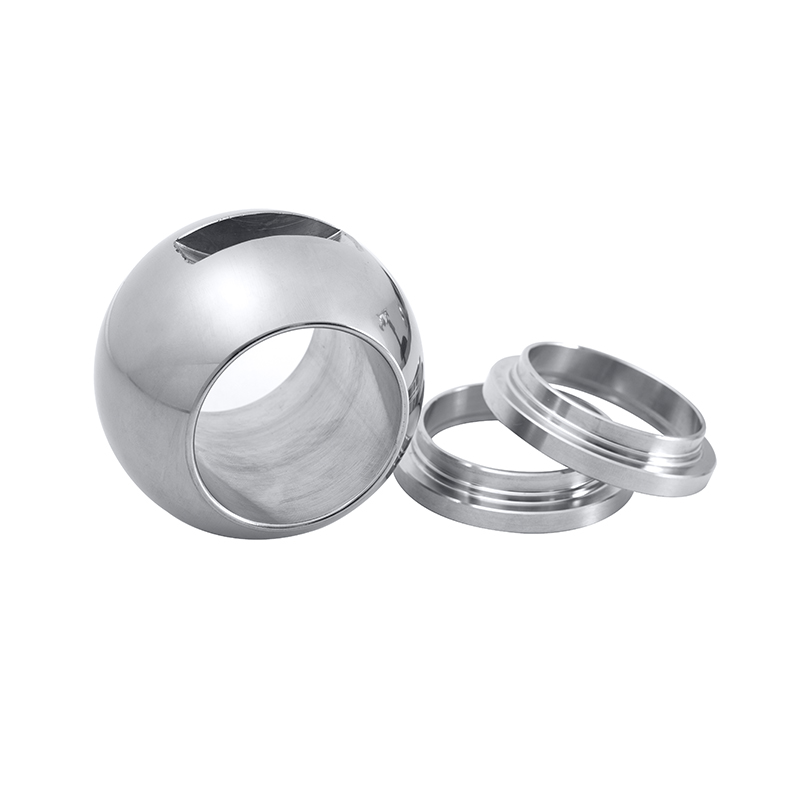
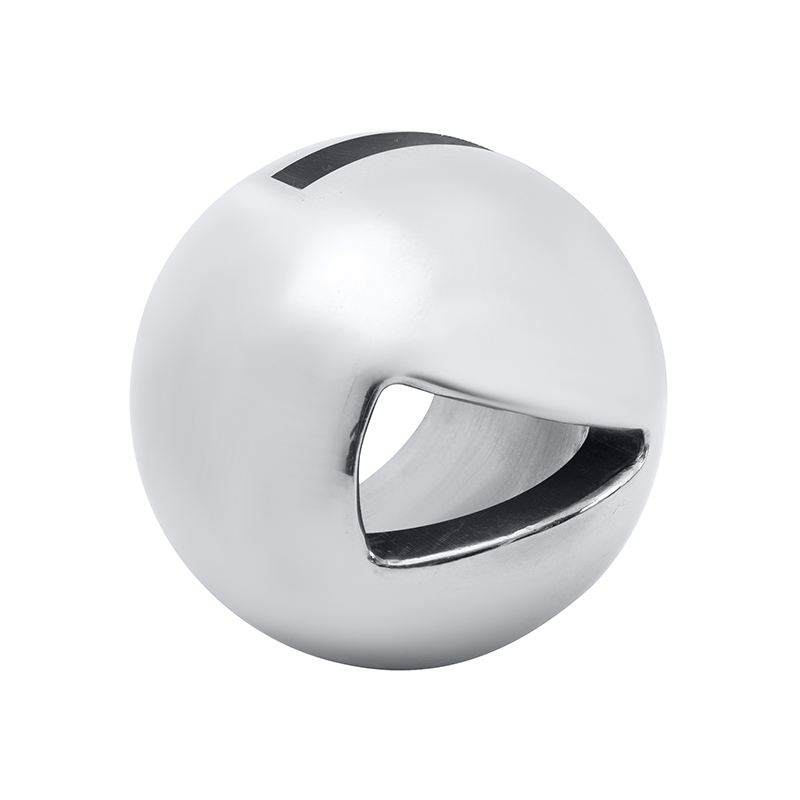
A customized valve ball is not simply a machined sphere. Its performance depends on the relationship between raw material, forming method, machining accuracy, surface engineering, and final inspection. Zhejiang Boshi Valve Technology Co., Ltd., established in 2005, integrates design, production, sales, and service, with capabilities covering forging, casting, welding, CNC machining, heat treatment, and surface treatment. The company supplies floating, fixed, three-way, four-way, V-shaped, and specialized hard-sealing valve balls for international customers.
For valve manufacturers and industrial procurement teams, working with an experienced Valve Ball Factory can simplify customization from drawing review through production and inspection. When the application requires a tailored Hard Seal Ball, the right manufacturing partner can help turn a specific valve requirement into a practical, traceable component solution.