 English
 Español
 Deutsch

Choosing a valve ball for an industrial system is not simply a matter of matching diameter and pressure class. When valves operate with abrasive media, elevated temperatures, corrosive fluids, or frequent cycling, the sealing component must withstand conditions that can quickly expose weaknesses in material selection and surface treatment. A properly engineered Hard Seal Ball can provide a practical solution for these demanding applications. For valve manufacturers and industrial buyers, understanding how geometry, material, machining accuracy, and surface engineering work together is essential when selecting a reliable component supplier.
Start With the Actual Service Conditions
A common purchasing mistake is selecting a valve ball according to the valve model alone while overlooking the process medium and operating environment. The same ball design may perform differently when exposed to clean water, chemical fluids, abrasive particles, steam, or high-pressure hydrocarbons.
Before production, engineers should evaluate:
- Operating pressure and temperature
- Fluid composition and corrosive characteristics
- Presence of particles or abrasive media
- Required sealing performance
- Operating frequency and expected service conditions
This information provides the foundation for choosing the appropriate material and surface treatment rather than relying on a standard specification.
Why Surface Engineering Matters
For hard-seated ball valves, the contact surface between the ball and seat directly influences sealing behavior, friction, and wear. Precision grinding and polishing can help produce a consistent spherical surface, while treatments such as ENP, WC coating, Ni60 coating, hard-facing, or overlay welding can be selected according to the working environment.
For abrasive applications, wear-resistant surface solutions may be more appropriate. In corrosive environments, corrosion-resistant materials and coatings can help protect the working surface. The objective is not to apply the hardest available treatment, but to establish a surface structure that matches the actual service conditions.
Geometry and Machining Accuracy Cannot Be Separated
Even when the material is correctly selected, dimensional variation can affect valve performance. Bore geometry, ball diameter, roundness, groove configuration, and sealing-surface accuracy all need to correspond with the valve assembly.
For customized projects, drawing-based CNC machining allows the valve ball to be produced according to the customer's specified dimensions and flow structure. Zhejiang Boshi Valve Technology Co., Ltd. provides customized valve balls using CNC machining, precision grinding, and inspection processes for different industrial valve designs.
Match the Ball Design to the Valve Structure
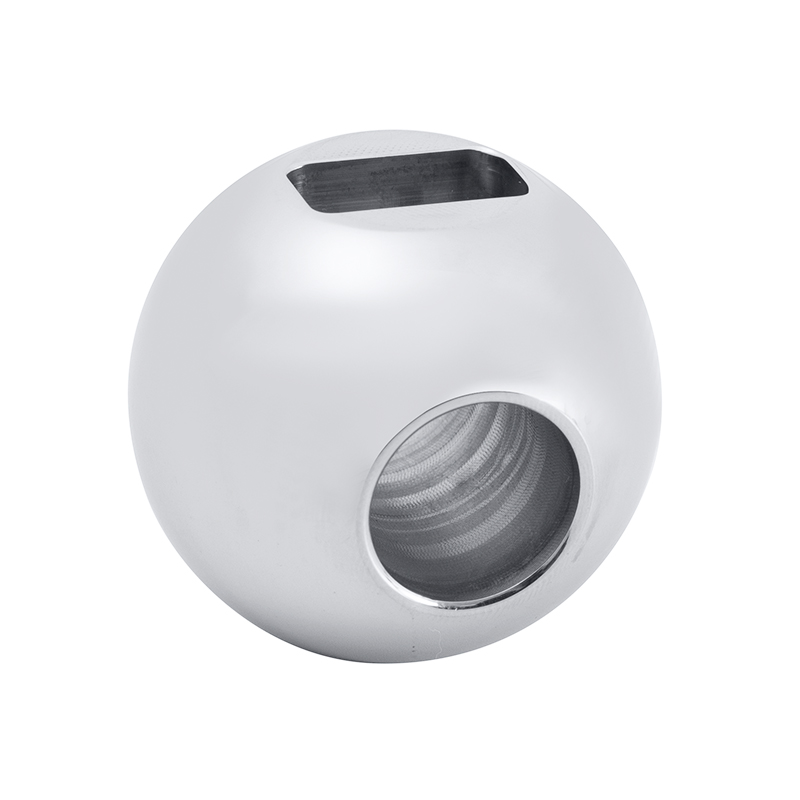
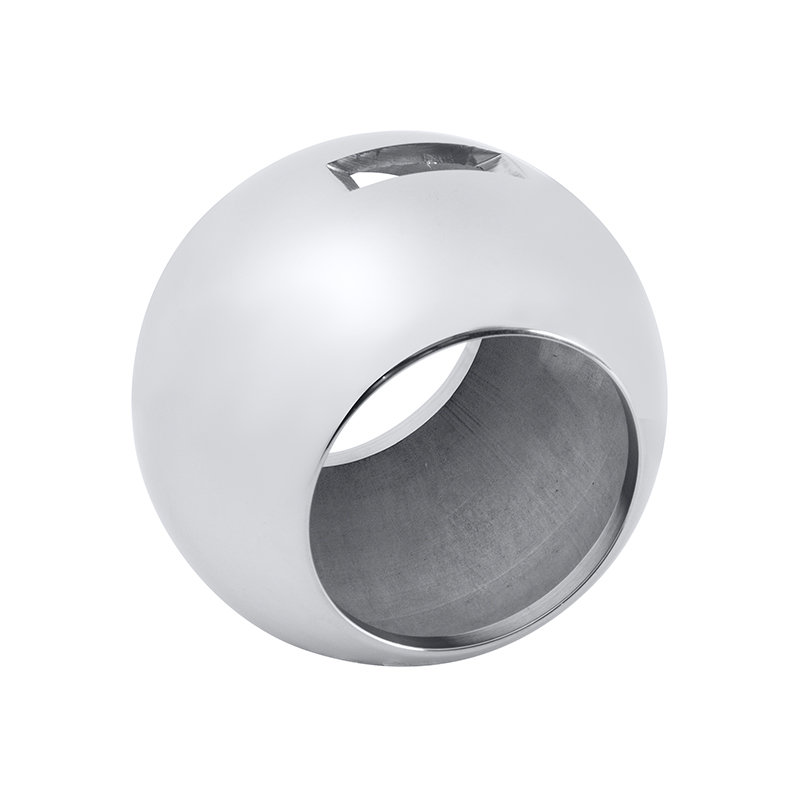
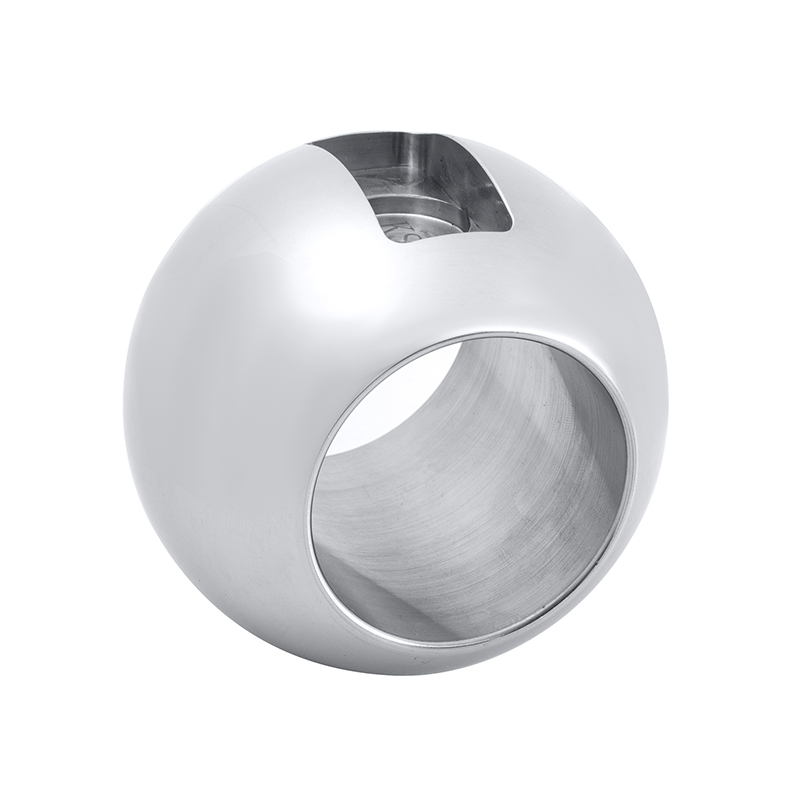
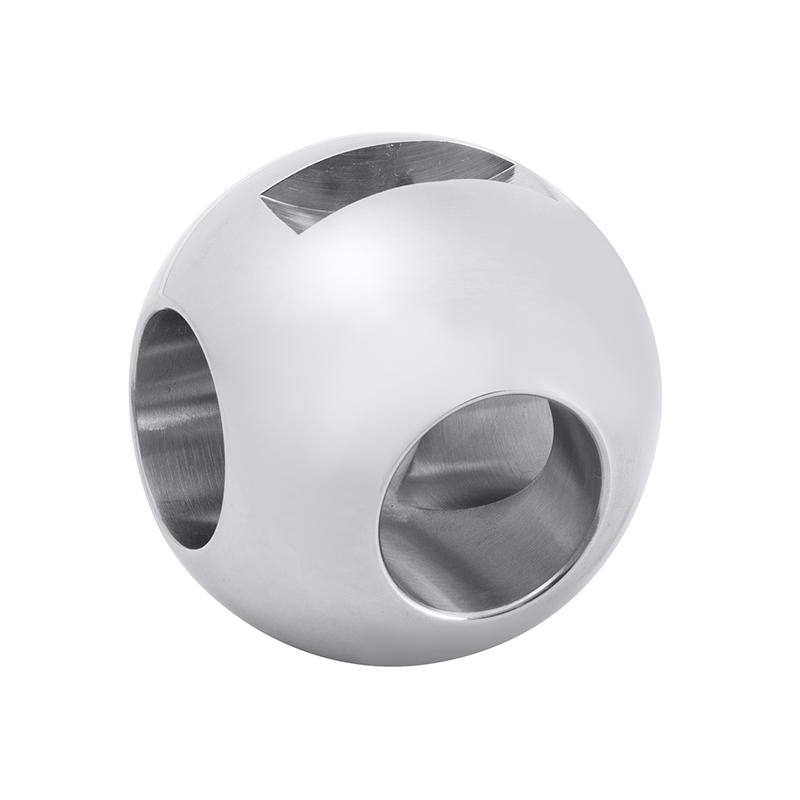
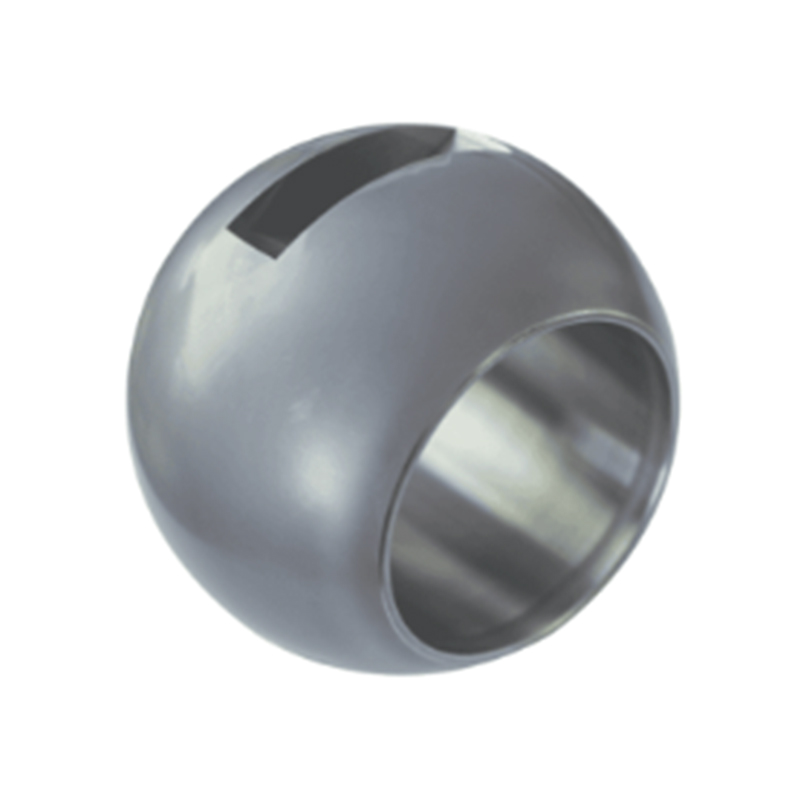
Different valve constructions call for different ball configurations. Straight-through designs can support direct flow paths, while fixed balls are commonly considered for larger or higher-pressure valve structures. Three-way, four-way, V-shaped, and other customized configurations may be required when the valve needs specific flow-routing or control characteristics.
For procurement teams, supplying the valve drawing, ball dimensions, bore configuration, material requirement, and surface-treatment specification at the quotation stage can make technical evaluation more efficient and reduce unnecessary modification during production.
Build Quality Control Into the Manufacturing Process
A reliable valve ball should not be judged by visual appearance alone. Quality control should cover the characteristics that influence actual assembly and operation.
A practical inspection program may include:
- Material verification and traceability
- Dimensional measurement
- Roundness inspection
- Surface roughness testing
- Hardness inspection when required
- Final surface and geometry verification
Zhejiang Boshi Valve Technology Co., Ltd. integrates forging, casting, welding, CNC machining, heat treatment, and surface-treatment capabilities, supporting a production process designed around different valve-ball requirements.
Why OEM Manufacturing Helps Reduce Project Risk
Industrial valve projects often involve non-standard dimensions, special alloys, customized grooves, or specific coating requirements. A supplier that only offers catalog products may have limited flexibility when the existing valve design does not match standard specifications.
Boshi supports drawing-based OEM manufacturing, including customized dimensions, materials, flow passages, surface treatments, prototypes, small batches, and mass production. This approach allows valve manufacturers and industrial equipment companies to develop components around their actual system requirements instead of redesigning the entire assembly.
Choosing the Right Partner for Long-Term Valve Performance
For demanding fluid-control applications, the value of a valve ball is determined by how well its material, geometry, surface treatment, and inspection requirements work together. Buyers should therefore look beyond unit price and compare manufacturing capability, engineering support, traceability, and customization capacity. As an experienced Valve Ball Factory, Zhejiang Boshi Valve Technology Co., Ltd. provides customized Hard Seal Ball solutions for applications across oil and gas, chemical processing, power generation, LNG, mining, water treatment, and other industrial sectors.