 English
 Español
 Deutsch

Industrial valve buyers often focus first on nominal size, pressure class, and material when sourcing replacement or OEM components. However, the valve ball also needs to match the valve structure, sealing method, flow characteristics, and service environment. A properly selected Hard Seal Ball can support stable sealing in applications where temperature, pressure, abrasive media, or repeated operation place additional demands on the valve. For engineers and procurement teams, the key is to evaluate the complete application before choosing a valve ball rather than treating every hard-sealing component as interchangeable.
Start With the Valve Structure
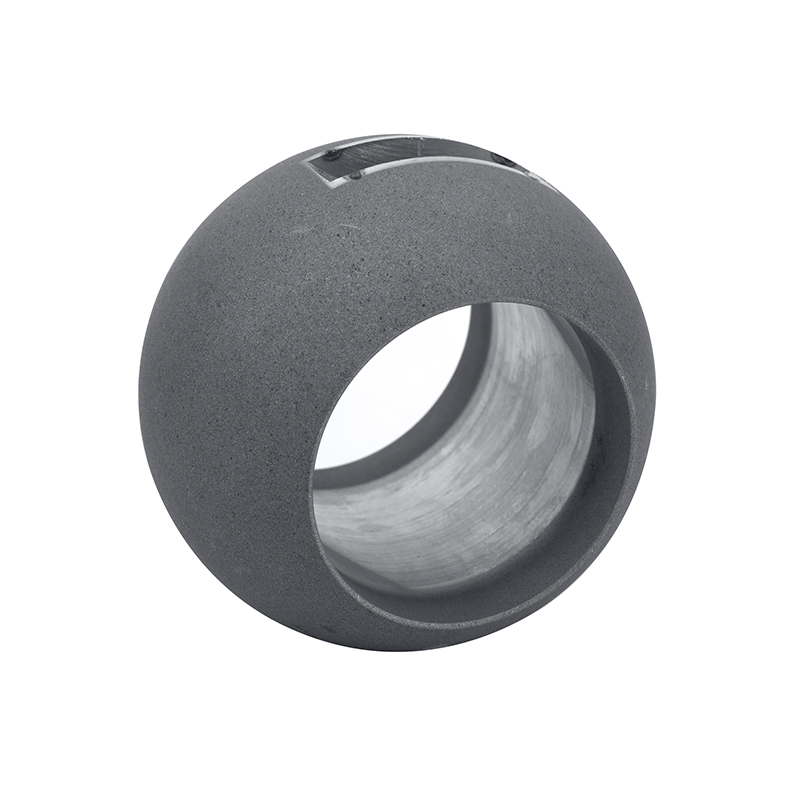
The first step is identifying how the ball works inside the valve. Floating and fixed ball valves have different structural arrangements and load conditions, so their balls should not be selected solely by outside diameter.
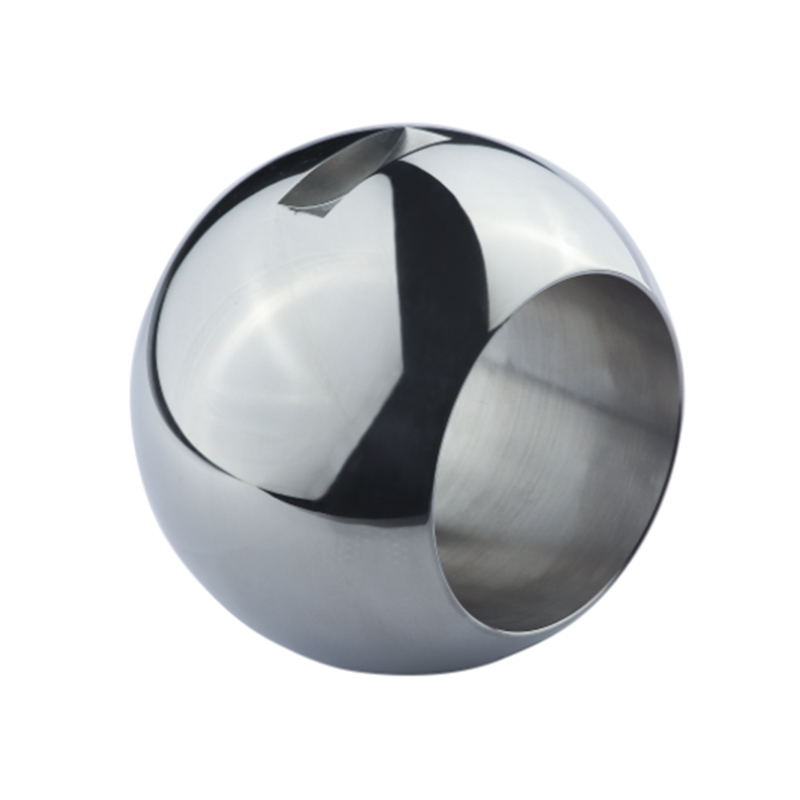
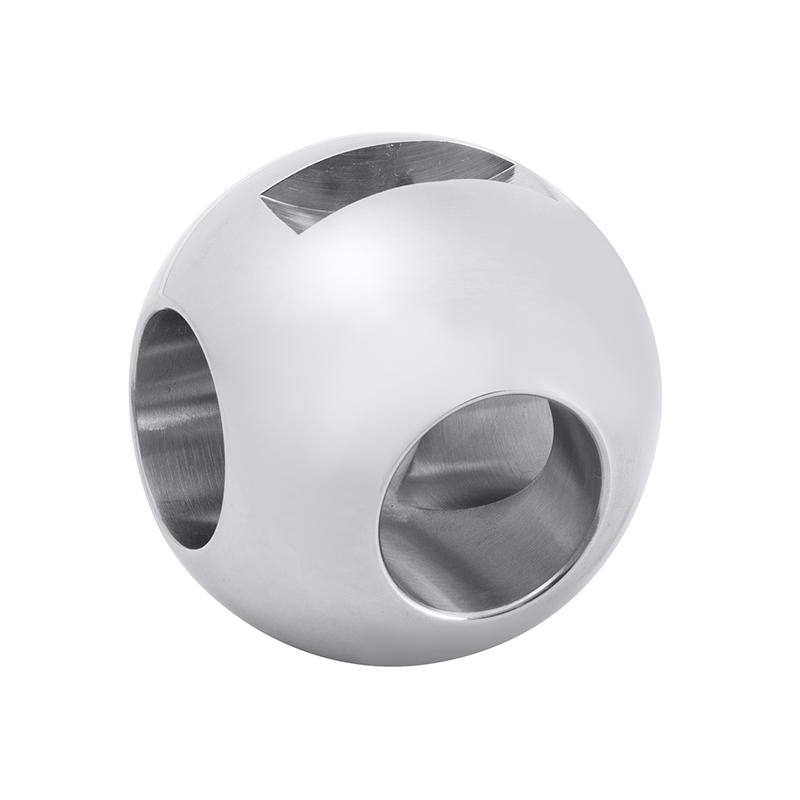
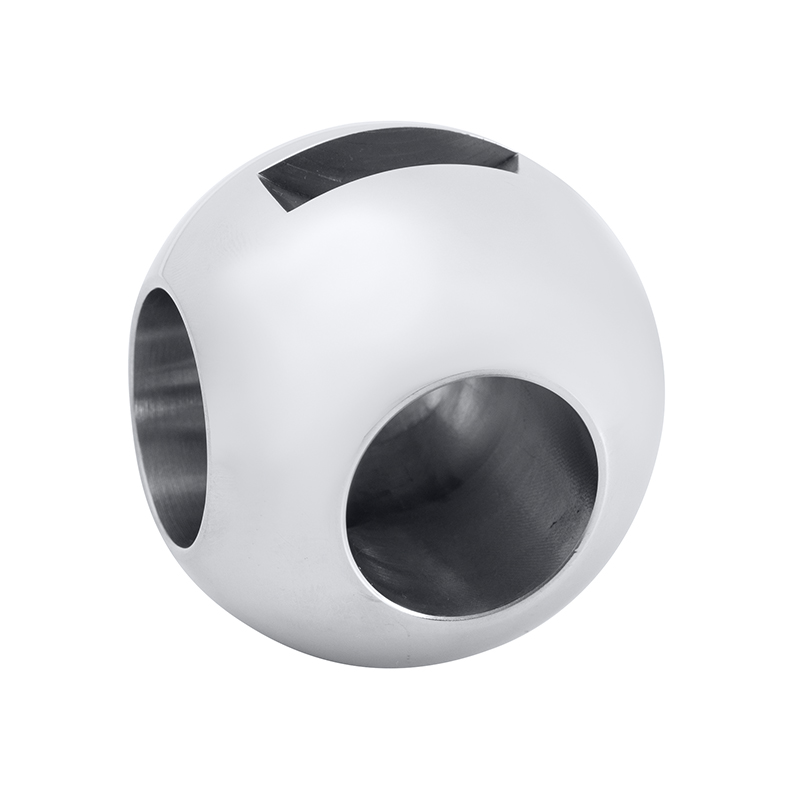
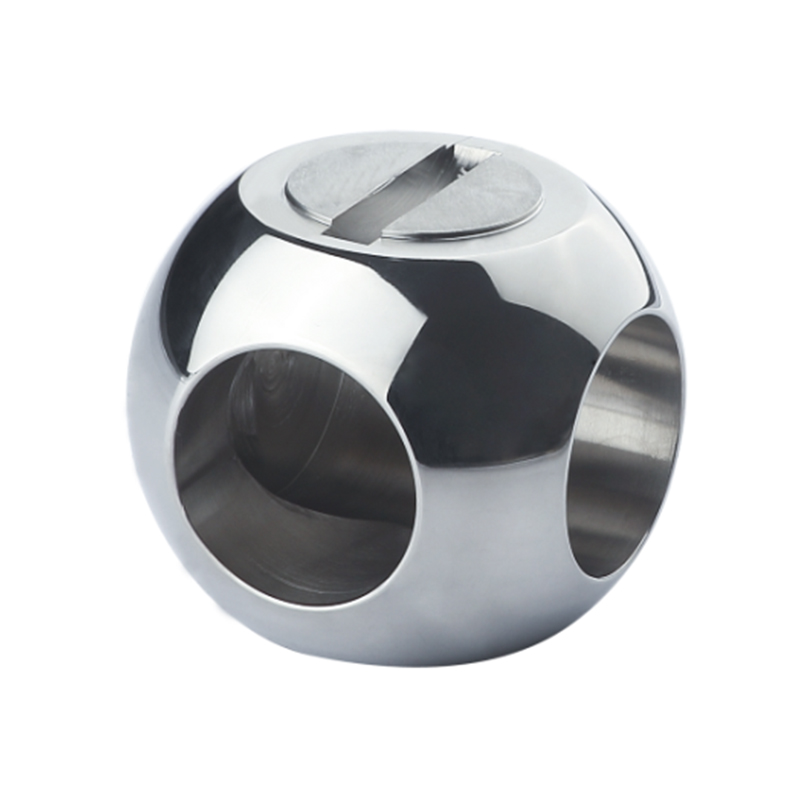
Fixed valve balls are commonly used in valve structures where the ball is supported by a trunnion system, while floating balls rely on controlled movement toward the seat to maintain sealing. Three-way, L-shaped, and V-shaped designs introduce additional requirements for flow direction or regulation.
For OEM projects, providing the original drawing, sample, valve model, or detailed dimensional requirements can help the manufacturer determine the appropriate ball structure before production.
Match the Ball With the Medium
The operating medium is another important selection factor. Clean water, natural gas, chemical fluids, slurry, and fluids containing suspended particles can produce very different demands on the sealing surfaces.
Engineers should consider:
- Corrosion characteristics of the medium
- Presence of abrasive particles
- Fluid viscosity
- Operating temperature
- Pressure and pressure fluctuations
- Frequency of valve operation
For example, a ball intended for a clean process fluid may require a different material or surface treatment from one used in a system containing abrasive particles. The correct specification should therefore be developed around the actual service conditions.
Choose Surface Treatment According to Wear Conditions
Hard-sealing performance depends not only on the base material but also on the condition of the working surface. Different surface treatments can be considered according to the required combination of hardness, wear resistance, corrosion resistance, and sealing compatibility.
Boshi provides surface engineering options including ENP, STL, Ni60, WC coating, overlay welding, thermal spray, and mirror polishing for different valve-ball requirements.
The purpose of surface treatment is not simply to increase hardness. The treatment also needs to remain compatible with the valve seat and maintain the required geometry after processing.
Do Not Ignore the Ball-and-Seat Combination
A valve ball cannot be evaluated independently from its mating seat. The two components form the actual sealing interface, so their geometry, surface finish, hardness, and material compatibility need to be considered together.
An unsuitable combination may increase friction or operating torque, while inconsistent contact can affect sealing stability. For automated valves, these factors may also influence actuator sizing and operating response.
For this reason, procurement teams should provide as much information as possible about the complete valve assembly when requesting a customized ball quotation.
Precision Matters for OEM Replacement Parts
Replacement projects can become complicated when the original valve uses a non-standard ball design. Even when the nominal valve size is identical, differences in bore configuration, stem interface, groove geometry, spherical dimensions, or mounting structure can prevent a standard component from fitting correctly.
A drawing-based manufacturing process allows these details to be reproduced according to the customer's technical requirements. Zhejiang Boshi Valve Technology Co., Ltd. supports customized valve-ball production based on customer drawings and provides CNC machining and precision grinding capabilities for specialized geometries.
Inspection Should Reflect the Critical Features
For customized valve balls, quality inspection needs to focus on the dimensions and characteristics that directly affect assembly and sealing. Depending on the project requirements, inspection may include dimensional accuracy, roundness, surface roughness, hardness, and material verification.
Boshi's manufacturing and inspection capabilities include CNC machining, precision grinding, coordinate measuring equipment, roundness testing, spectrometers, and hardness testing equipment. These capabilities support controlled production from material preparation through final inspection.
Why OEM Buyers Should Work Directly With a Valve Ball Factory
For valve manufacturers and industrial maintenance teams, selecting a supplier capable of handling customized designs can simplify communication and reduce unnecessary changes during production. Zhejiang Boshi Valve Technology Co., Ltd., established in 2005, integrates design, production, sales, and service, with in-house capabilities covering forging and pressing, steel plate rolling and welding, seamless pipe forming, CNC machining, and valve-ball manufacturing.
As an experienced Valve Ball Factory, Boshi supports customized dimensions, flow structures, materials, surface treatments, prototypes, small-batch production, and mass production. For buyers evaluating a Hard Seal Ball, discussing the valve structure, operating medium, pressure and temperature conditions, seat configuration, and technical drawings with the manufacturer can lead to a more suitable component specification and a smoother OEM sourcing process.