 English
 Español
 Deutsch

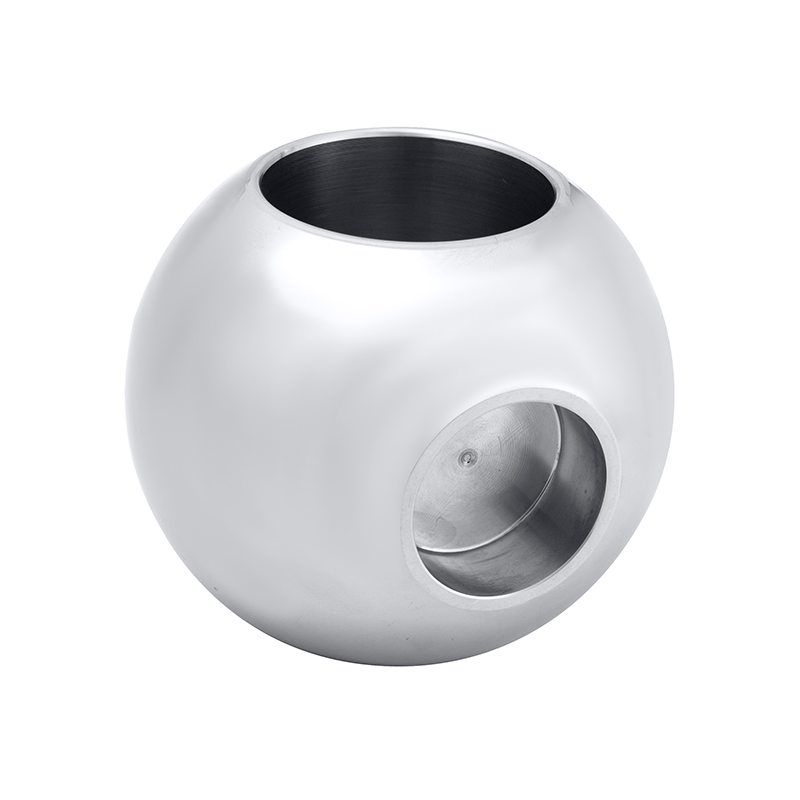
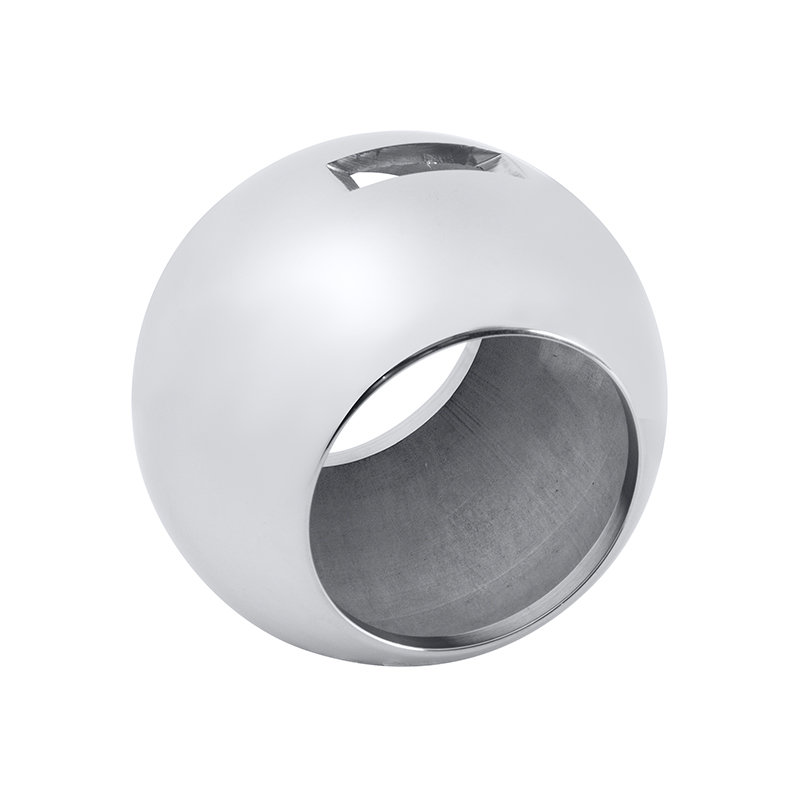
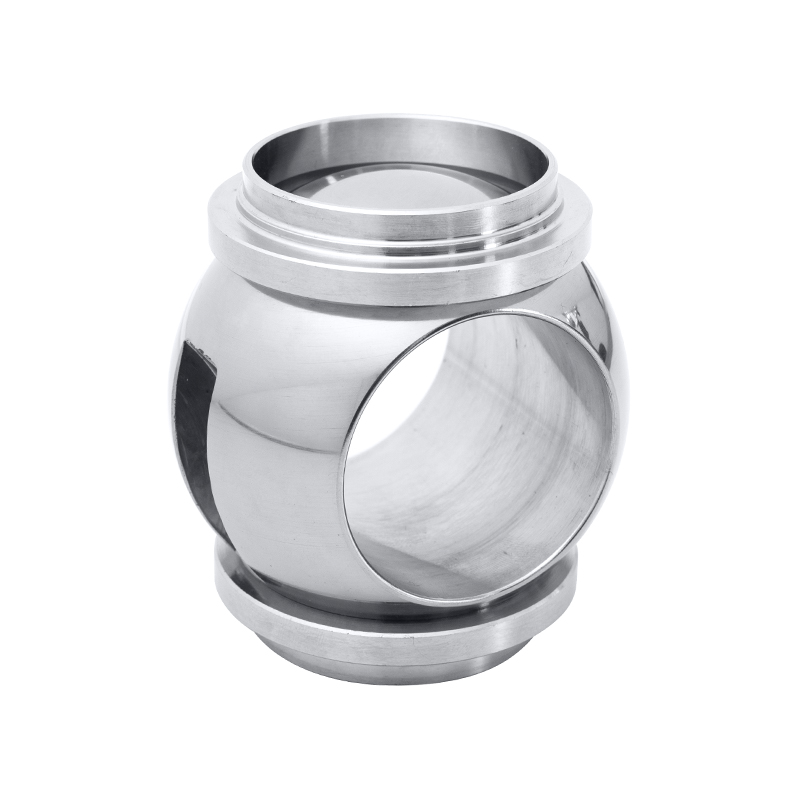
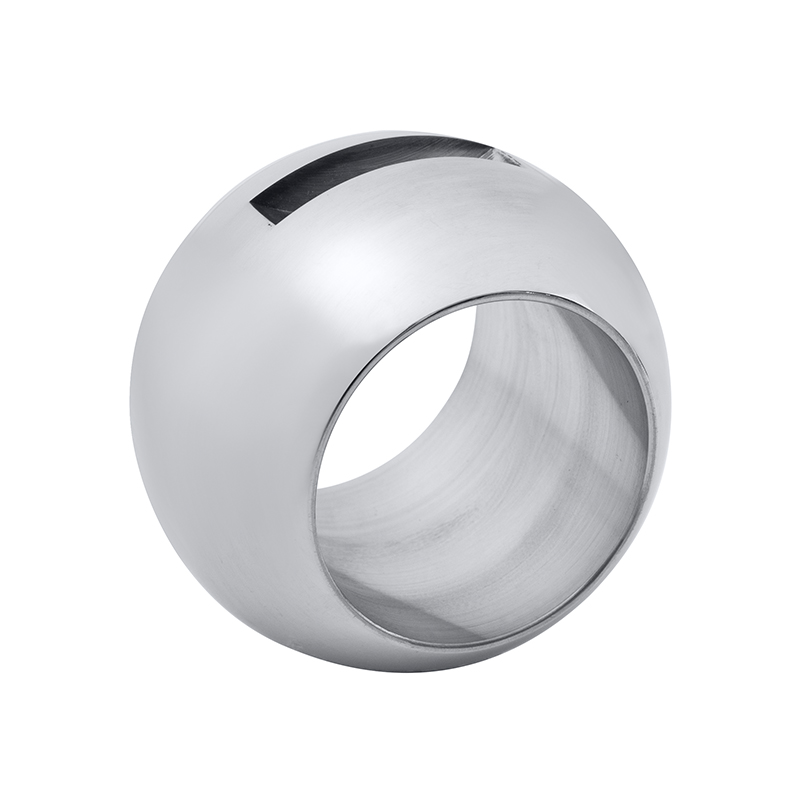
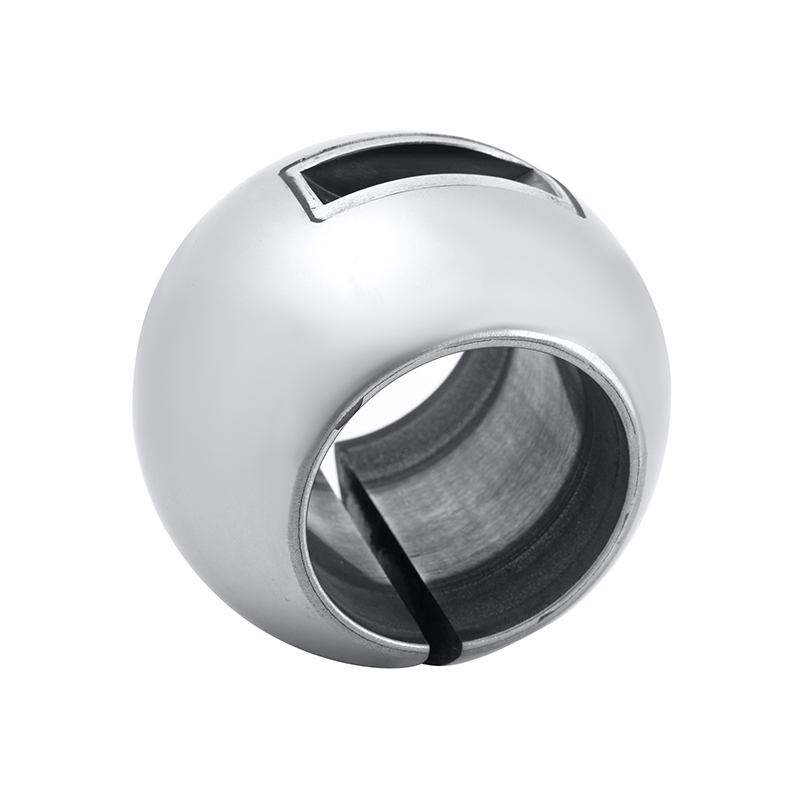
Industrial fluid-control systems are increasingly required to operate reliably under demanding combinations of pressure, temperature, corrosive media, and frequent valve cycling. In these environments, the performance of the valve ball can directly influence sealing stability, operating torque, and service consistency. A Hard Seal Ball is designed for applications where surface durability and controlled sealing contact are important considerations. For engineers and procurement teams, selecting the right valve ball requires more than matching nominal dimensions—it requires evaluating material, surface treatment, machining accuracy, and actual service conditions together.
Match Material Selection With the Service Environment
The material of a valve ball should be selected according to the fluid, temperature, pressure, and potential wear conditions of the application. Stainless steels, alloy steels, duplex materials, and other engineering alloys can offer different combinations of corrosion resistance, mechanical strength, and service performance.
For example, Boshi manufactures valve balls using materials including F304, F316, F51, F53, A105, LF2, MONEL 400, and Inconel 718, depending on product design and customer requirements. This range allows the material specification to be considered alongside the valve's intended operating environment rather than relying on a single standard material.
Surface Engineering Is Part of the Sealing Solution
The working surface of a hard-sealing valve ball must withstand repeated contact with the mating seat and, depending on the application, exposure to abrasive or corrosive media. Surface treatment can therefore be an important part of the overall component design.
Available treatments may include ENP, WC coating, Ni60 coating, overlay welding, thermal spray, and mirror polishing. The appropriate option depends on the required combination of hardness, wear resistance, corrosion resistance, surface condition, and compatibility with the valve seat.
For buyers, this means surface treatment should be discussed as part of the technical specification rather than added as an afterthought.
Precision Machining Supports Consistent Sealing
A ball valve relies on controlled contact between the spherical ball surface and its mating seat. Variations in spherical geometry, port dimensions, surface finish, or interface features can affect assembly and operating performance.
Precision CNC machining and grinding provide the dimensional control needed for customized valve balls. For non-standard designs, manufacturing according to customer drawings also allows the ball geometry, bore configuration, grooves, interfaces, and other structural details to correspond with the valve assembly.
At Zhejiang Boshi Valve Technology Co., Ltd., valve balls are produced according to customer drawings and supported by CNC machining and precision grinding processes.
Consider Abrasive Media Before Choosing the Ball
Fluids containing suspended solids, sand, mineral particles, or other abrasive materials can place additional demands on valve sealing surfaces. In such applications, simply choosing a harder material does not automatically solve the problem.
Engineers should evaluate the complete working combination, including:
- Ball material and hardness
- Surface treatment
- Seat material
- Fluid characteristics
- Particle content and abrasiveness
- Operating frequency
- Pressure and temperature conditions
This application-based approach helps prevent the common mistake of selecting a valve ball based only on size or material designation.
Ball and Seat Compatibility Matters
A hard-sealing ball operates as part of a complete sealing system. The ball and seat need to work together in terms of geometry, surface finish, material properties, and contact conditions.
If the contact relationship is not properly controlled, excessive friction may increase operating torque, while unsuitable surface combinations can accelerate wear. For automated valve systems, these factors may also influence actuator selection and overall operating behavior.
Consequently, procurement teams should evaluate the ball and mating components as a matched engineering system rather than treating the valve ball as an isolated replacement part.
Quality Inspection Should Follow the Drawing
For customized industrial components, visual inspection alone cannot provide sufficient confirmation of dimensional and material requirements. A structured inspection process should verify the characteristics specified by the customer drawing and technical requirements.
Zhejiang Boshi Valve Technology Co., Ltd. has introduced coordinate measuring machines and roundness testers for dimensional and geometric inspection. Its quality-control equipment also includes spectrometers, metallographic microscopes, hardness testers, and tensile testing machines. These capabilities support inspection of material properties, hardness, dimensional accuracy, and other characteristics required during valve ball production.
Why Manufacturing Capability Matters for Custom Valve Balls
For OEM valve manufacturers and industrial buyers, supplier capability is an important part of product qualification. A manufacturer needs to connect blank preparation, machining, heat treatment, surface engineering, precision inspection, and final production control into a coherent process.
Zhejiang Boshi Valve Technology Co., Ltd. was established in 2005 and integrates design, production, sales, and service. Its manufacturing capabilities include roughcast forging and pressing, steel plate rolling and welding, seamless pipe forming, and CNC machining. The company also develops valve balls according to customer drawings and samples, supporting customized solutions for different valve structures and service requirements.
For buyers sourcing a Hard Seal Ball, working directly with an experienced Valve Ball Factory can simplify technical communication, material selection, customization, and quality verification while providing a more practical foundation for consistent valve-ball production.