 English
 Español
 Deutsch


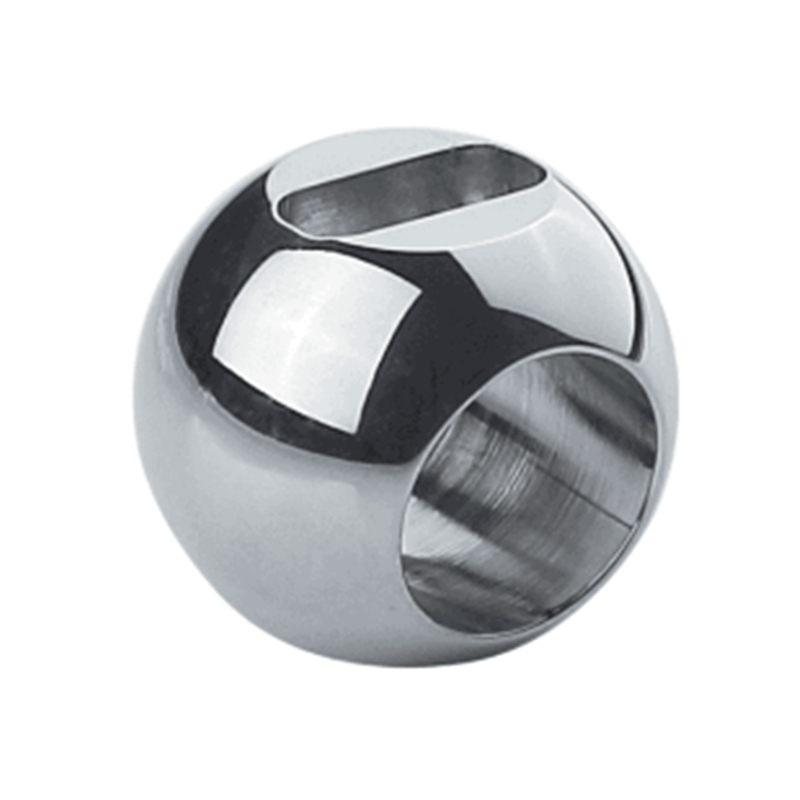
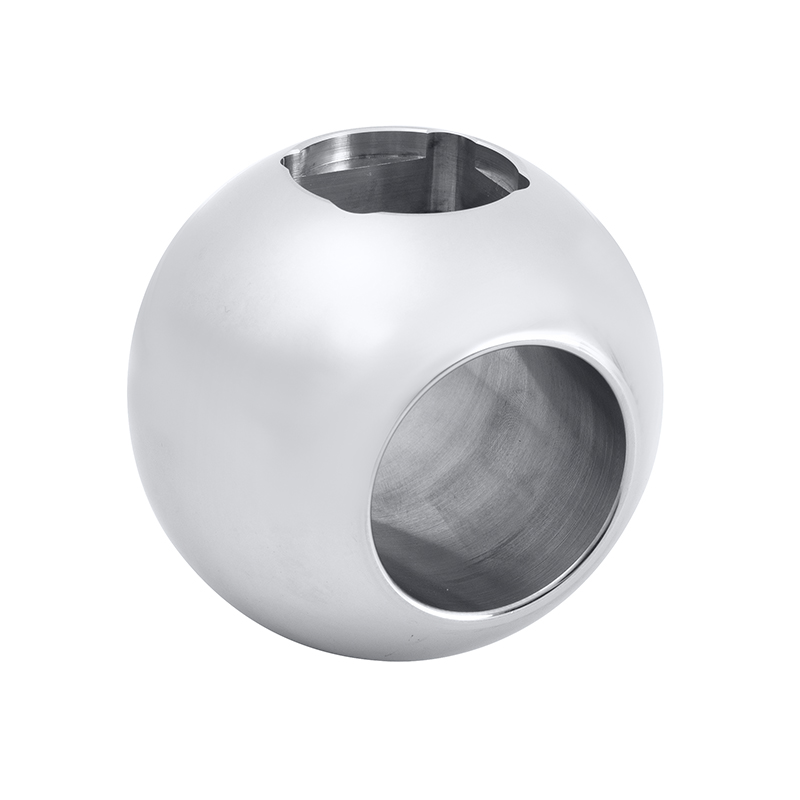
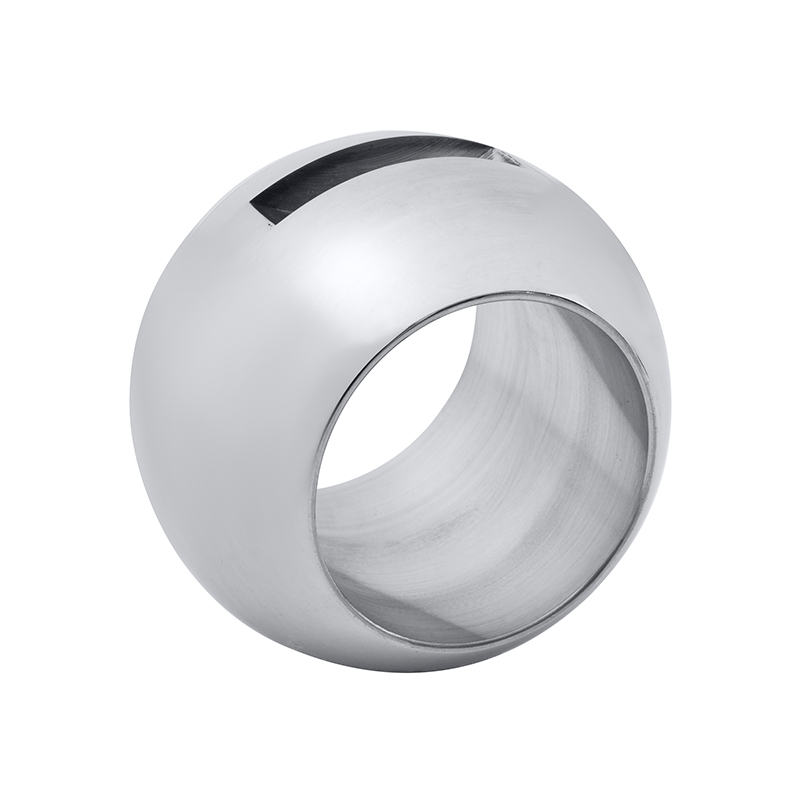
Industrial valves often operate in environments where fluid composition, temperature, pressure, and operating frequency place different demands on internal components. In chemical processing, water treatment, oil and gas facilities, and other industrial applications, valve balls and stems may encounter corrosive media or conditions that require specific mechanical properties. For buyers sourcing Valve Balls with Stems, selecting materials based only on general descriptions such as stainless steel or alloy steel may not provide enough information. A more practical approach is to evaluate the complete operating environment, component design, and required surface treatment before confirming a manufacturing specification.
Understand the Corrosion Risks of the Application
Corrosion behavior depends on the interaction between the material and the working environment. Factors such as fluid composition, concentration, temperature, and exposure conditions can influence how a valve component performs over time.
For example, a material suitable for one water-based application may not be appropriate for a process involving aggressive chemicals. Buyers should therefore provide the manufacturer with relevant information about the operating medium rather than requesting a material based only on its general category.
When the application involves demanding chemical conditions, engineers may also need to review material compatibility with technical references and conduct additional evaluation where necessary.
Compare Material Grades Against Actual Requirements
Stainless steel is commonly considered for valve components because different grades offer varying combinations of corrosion resistance and mechanical properties. However, stainless steel grades are not interchangeable, and selecting a higher-priced option does not automatically make it suitable for every application.
Depending on the design and service conditions, buyers may evaluate materials such as F304, F316L, CF8, CF3M, duplex stainless steels, or specified nickel-based alloys. The final choice should follow the applicable material standard and the requirements of the valve.
Important considerations include:
- Compatibility with the process medium
- Required mechanical properties
- Operating temperature and pressure
- Applicable material specifications
- Availability of material inspection documentation
A clear material specification helps manufacturers avoid ambiguity during procurement and production.
Consider the Different Requirements of Balls and Stems
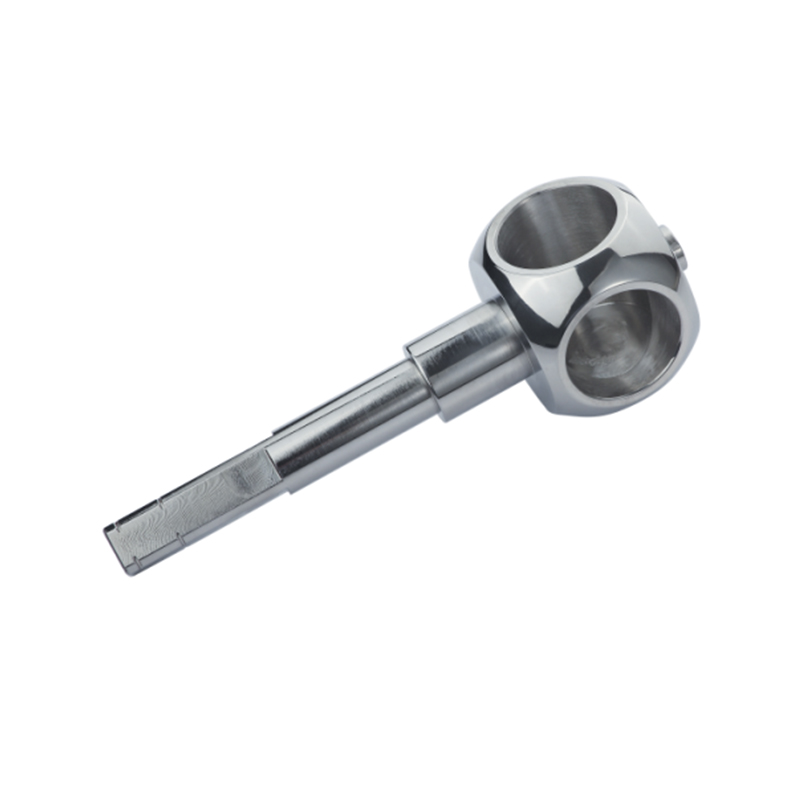
Although the ball and stem work together, they may have different functional requirements. The ball is closely related to flow control and sealing performance, while the stem transfers operating force and interacts with other valve components.
Their materials and surface conditions should therefore be evaluated according to their individual functions and the overall assembly design. Buyers should also consider whether the selected material combination is appropriate for the intended connection and manufacturing process.
A component specification that addresses both parts separately can help prevent material substitutions or design misunderstandings during production.
Surface Treatment Is Not a Substitute for Proper Material Selection
Surface treatments can help meet specific requirements in valve manufacturing. Depending on the application, processes such as precision polishing, electroless nickel plating, thermal spraying, or carbide-based coatings may be considered for selected surfaces.
However, a coating should not be treated as a universal solution to corrosion. Its suitability depends on the substrate, coating characteristics, application conditions, and quality of the finished surface.
For valve balls, surface treatment may also influence dimensional requirements and sealing-related characteristics. Buyers should identify which surfaces require treatment and confirm the relevant technical specifications before manufacturing begins.
Manufacturing Control Helps Maintain Material Consistency
Material selection is only one part of component quality. Incorrect material identification, inconsistent machining, or unsuitable finishing procedures can create problems even when the original specification is appropriate.
A valve component manufacturer should establish a process that connects material verification with machining and final inspection. Depending on customer requirements, quality control may include checking material documentation, critical dimensions, surface condition, and specified coating characteristics.
For overseas buyers, it is useful to confirm which inspection records can be provided with each order. Clear documentation makes incoming inspection and supplier communication easier, particularly for customized components.
Provide Complete Information When Requesting a Quotation
Special industrial applications often require more detailed communication than standard replacement orders. A quotation request should include the technical drawing, material grade, ball and stem dimensions, surface treatment requirements, and relevant operating conditions.
Where possible, buyers should also provide information about:
- The fluid or process medium
- Expected operating temperature and pressure
- Valve type and connection arrangement
- Required inspection or documentation standards
- Expected order quantity and delivery requirements
These details allow the manufacturer to assess production feasibility and identify questions that should be resolved before sample approval.
Choose a Valve Ball Factory That Understands Material Requirements
Reliable valve components begin with a clear understanding of the application. Material compatibility, component geometry, machining accuracy, surface treatment, and inspection documentation all contribute to the suitability of a finished assembly. As an industrial component manufacturer, Zhejiang Boshi Valve Technology Co., Ltd. understands the importance of coordinating these factors when producing customized valve components. For overseas buyers comparing suppliers, working with a Valve Ball Factory that can review technical drawings and discuss material requirements helps make procurement decisions more informed. Selecting properly specified Valve Balls with Stems can support valve manufacturers in developing assemblies suited to their intended operating environments.