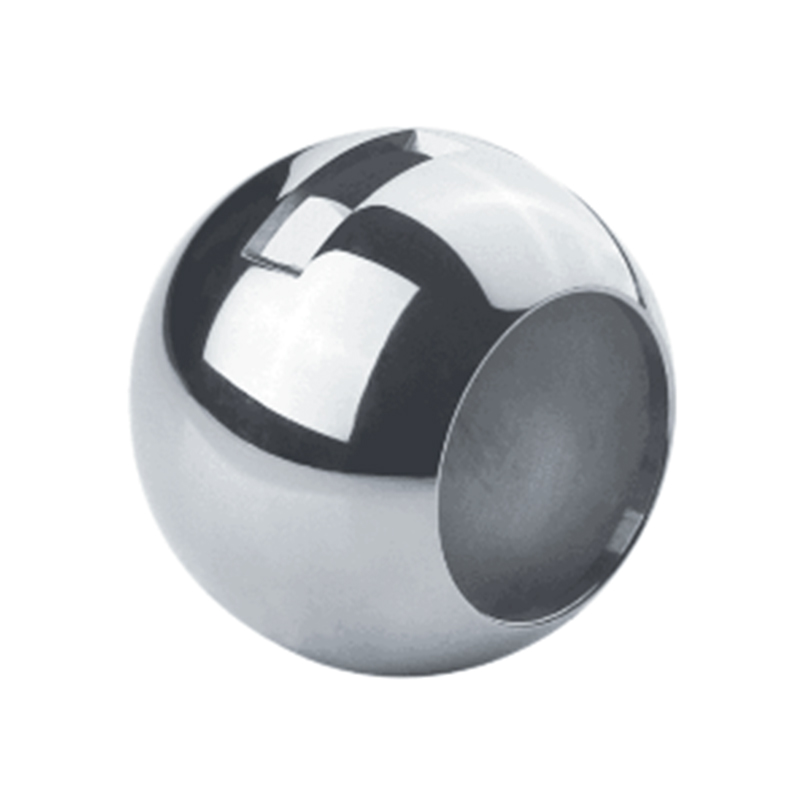
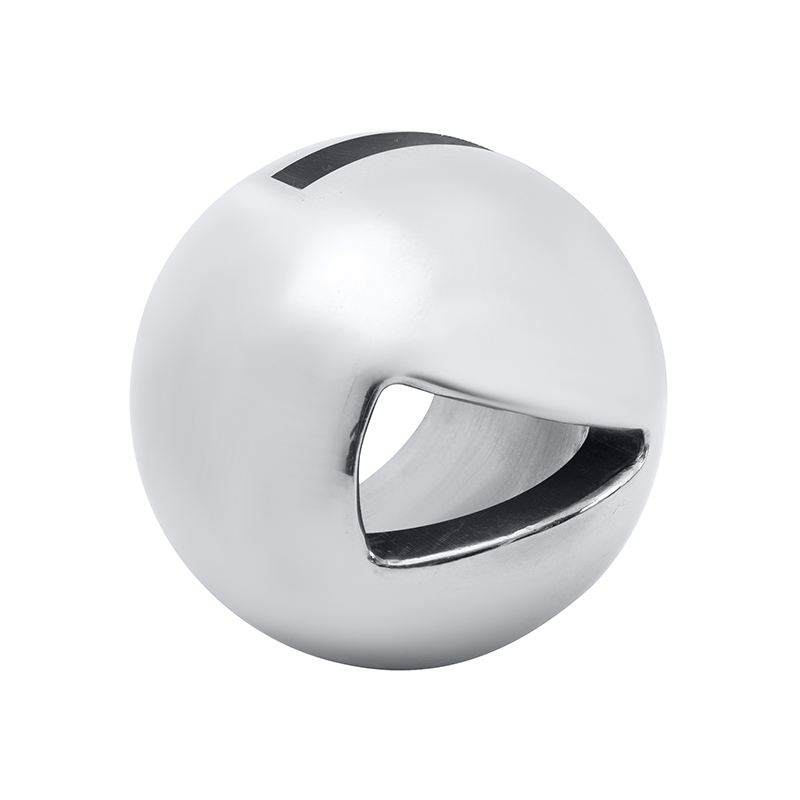
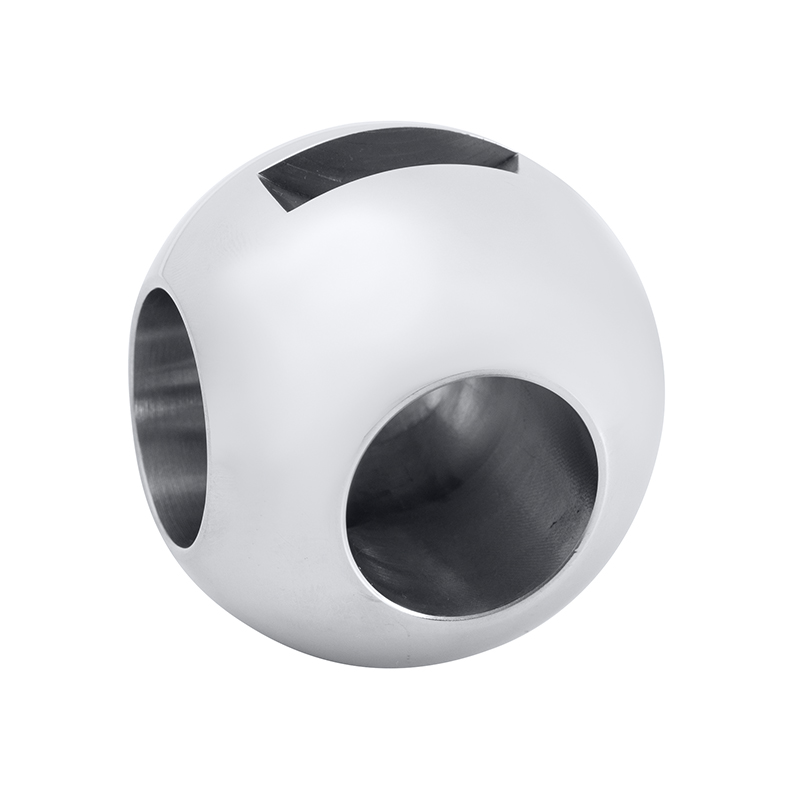
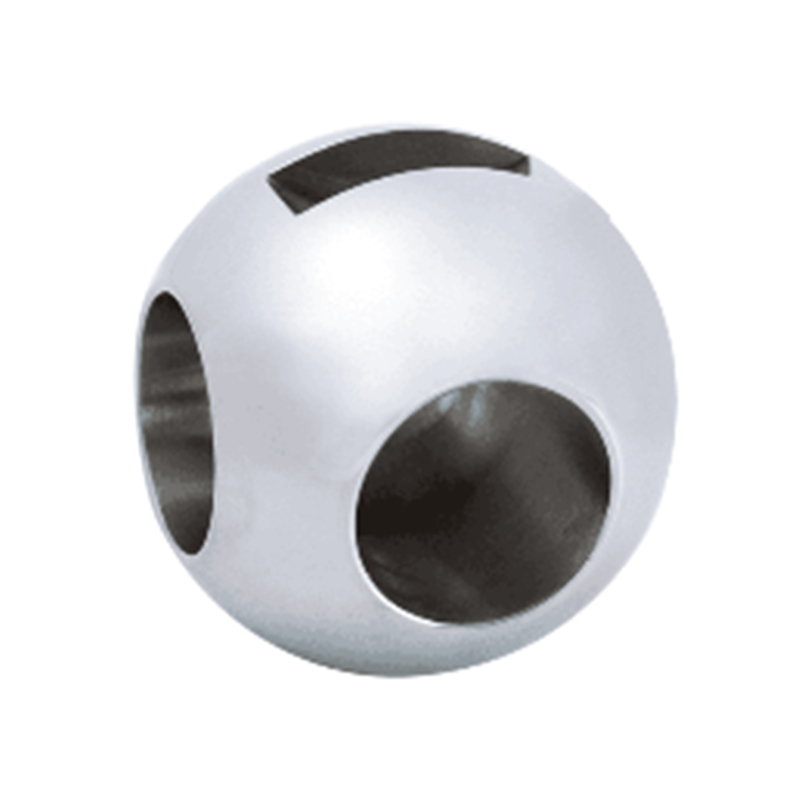
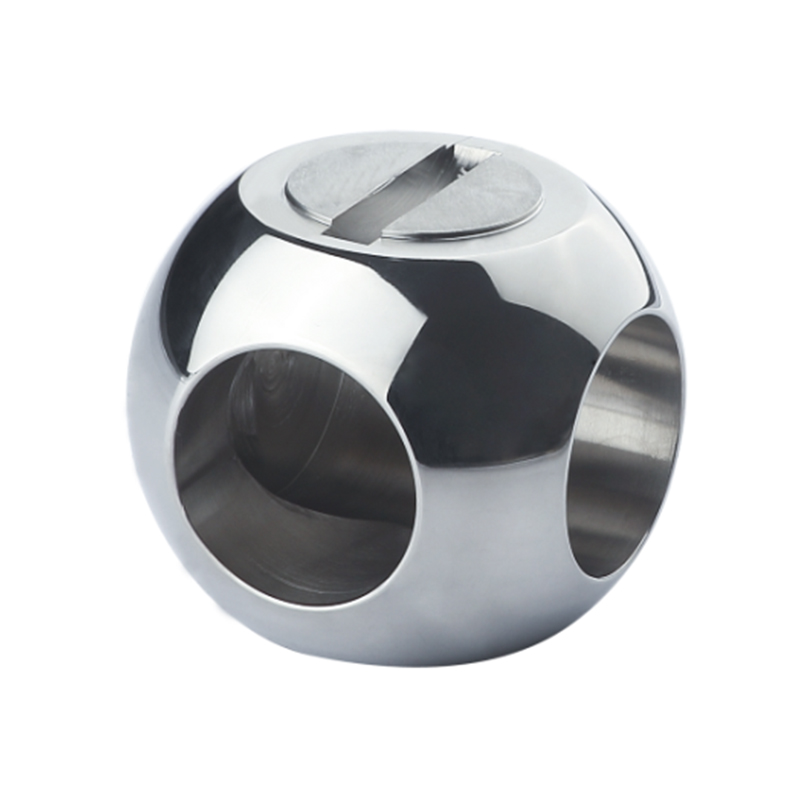
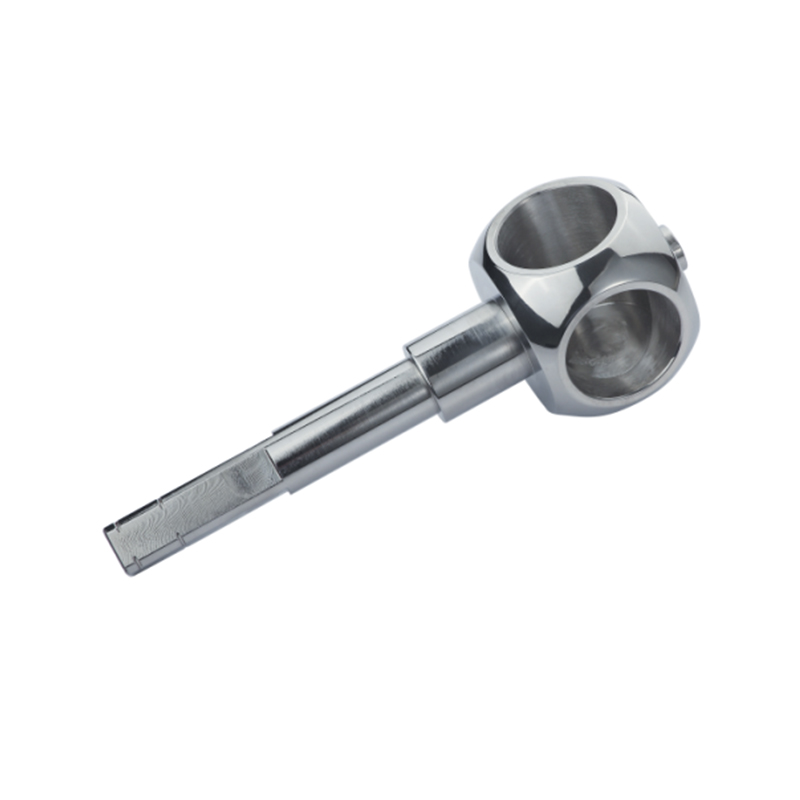
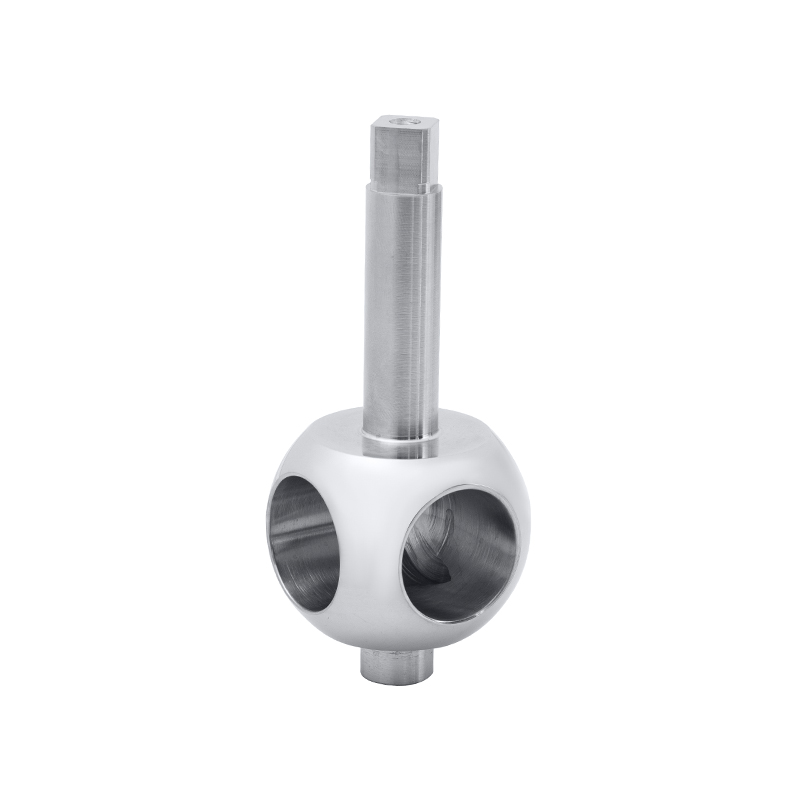
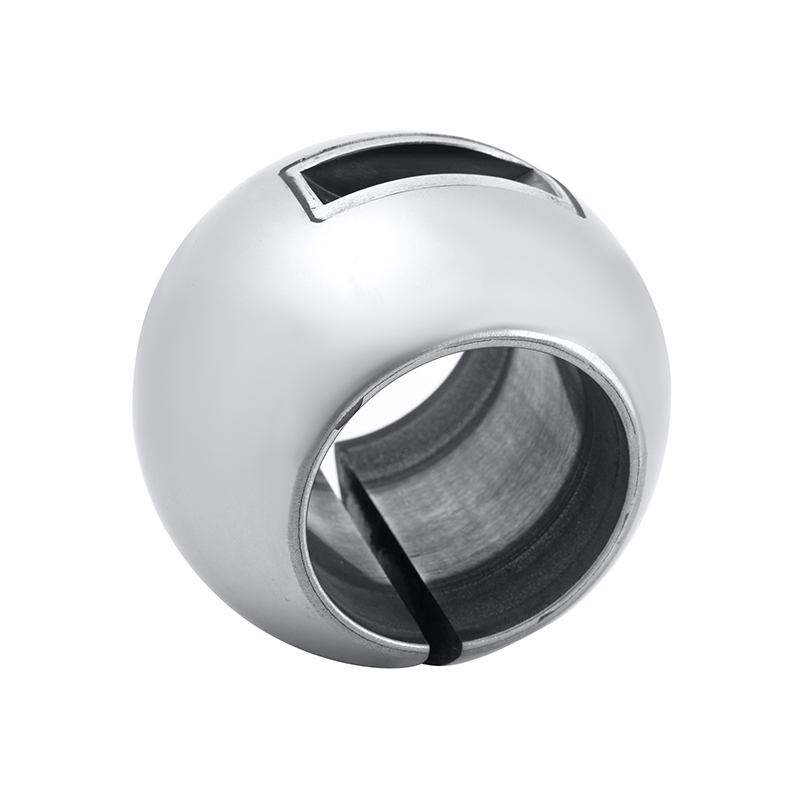
Why Choose an Open-Top Ball Design?
Prevent Fiber & Sludge Blockage at the Sealing Interface
In conventional valve balls, fibrous materials and soft solids tend to accumulate between the ball and seat, eventually forming compacted deposits that cause valve sticking or failure.
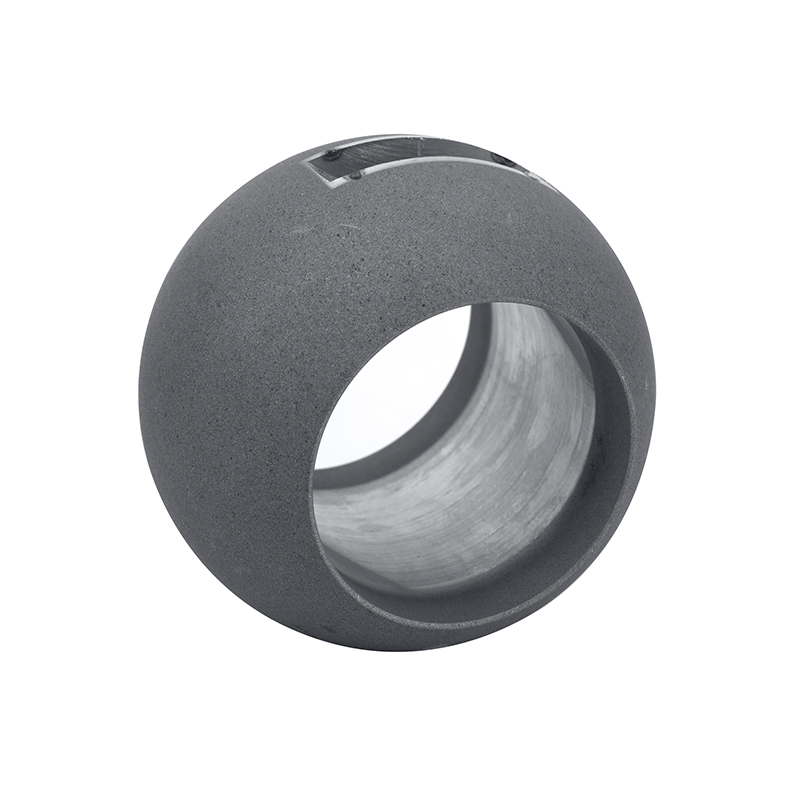
The open-top V-shaped edge introduces a mechanical shearing effect during rotation, breaking down fibrous structures before they can accumulate.
This significantly reduces the risk of valve jamming in:
Slurry pipelines
Paper pulp systems
Wastewater treatment lines
Industrial sludge transport
Improve Performance in Unfiltered or Dirty Media
Many modern water and energy recovery systems operate with partially treated or unfiltered media.
The open-top structure allows the valve ball to pass suspended solids without trapping them in the sealing zone, reducing upstream filtration requirements and system maintenance costs.
Reduce Leakage Risk in Recycled & High-Viscosity Fluids
In polymer recycling, oil recovery, and chemical reuse systems, sticky residues often build up on sealing surfaces, leading to internal leakage and batch contamination.
The self-cleaning geometry helps remove adhered materials during each cycle, maintaining a cleaner sealing surface and improving shut-off reliability.
Support Zero-Downtime Industrial Automation
In automated production environments, valve clogging is a major cause of unexpected shutdowns.
By actively reducing buildup at the sealing interface, the open-top design improves operational stability in continuous processing systems where downtime costs are high.
Improve Maintenance Efficiency in Labor-Shortage Environments
As industrial facilities face increasing maintenance workforce shortages, long-life and low-intervention components are becoming essential.
The self-cleaning action reduces the frequency of manual cleaning and inspection, extending service intervals and reducing maintenance workload.
Enhance Safety in Hazardous Media Handling
Efficient draining and reduced retention of hazardous media help minimize operator exposure during maintenance operations.
This design supports safer valve servicing in chemical and wastewater systems where residual media exposure is a concern.
Standard Floating Ball vs Open-Top Floating Ball
|
Feature
|
Standard Floating Ball
|
Open-Top Floating Ball
|
|
Anti-Clogging Ability
|
Low
|
High
|
|
Fiber Cutting Function
|
No
|
Yes
|
|
Sludge Resistance
|
Limited
|
Strong
|
|
Self-Cleaning Effect
|
None
|
Continuous during operation
|
|
Maintenance Frequency
|
Higher
|
Lower
|
|
Suitable Media
|
Clean / Light Fluids
|
Slurry / Fibrous / Dirty Media
|
|
Risk of Jamming
|
Higher
|
Reduced
|
|
Automation Compatibility
|
Medium
|
High
|
Typical Applications
The Open-Top Floating Ball Valve Ball is designed for process systems where conventional valve balls are prone to clogging or fouling.
Wastewater Treatment Plants
Paper & Pulp Industry
Biogas & Sludge Processing
Mining Slurry Transport
Industrial Recycling Systems
Chemical Waste Recovery
Fibrous Material Conveying
Unfiltered Industrial Water Systems
Manufacturing Process
Drawing Review
Material Selection & Verification
CNC Turning
Precision Sphere Machining
V/U-Shaped Opening Machining
Surface Finishing
Dimensional Inspection
Material Testing
Final Quality Inspection
Export Packaging
OEM & Procurement Information
OEM manufacturing based on drawings
Custom V-notch geometry available
Material selection according to media conditions
Surface engineering options available
Prototype production supported
Inspection Equipment
CMM measurement
Roundness testing
Surface roughness testing
Hardness testing
Spectrometric material analysis
Packaging & Shipping
Anti-impact protective packaging
Export-grade wooden crate
Moisture protection for coated surfaces
Shipping options: Ocean / Air / Rail / Express
Trade terms: FOB / CIF / EXW
How to Request a Quotation
Please provide:
Technical drawing / CAD file
Valve size and pressure class
Media type (slurry / fiber / wastewater / etc.)
Material requirements
V-notch geometry requirement
Surface treatment requirement
Quantity
Delivery schedule

 English
 Español
 Deutsch