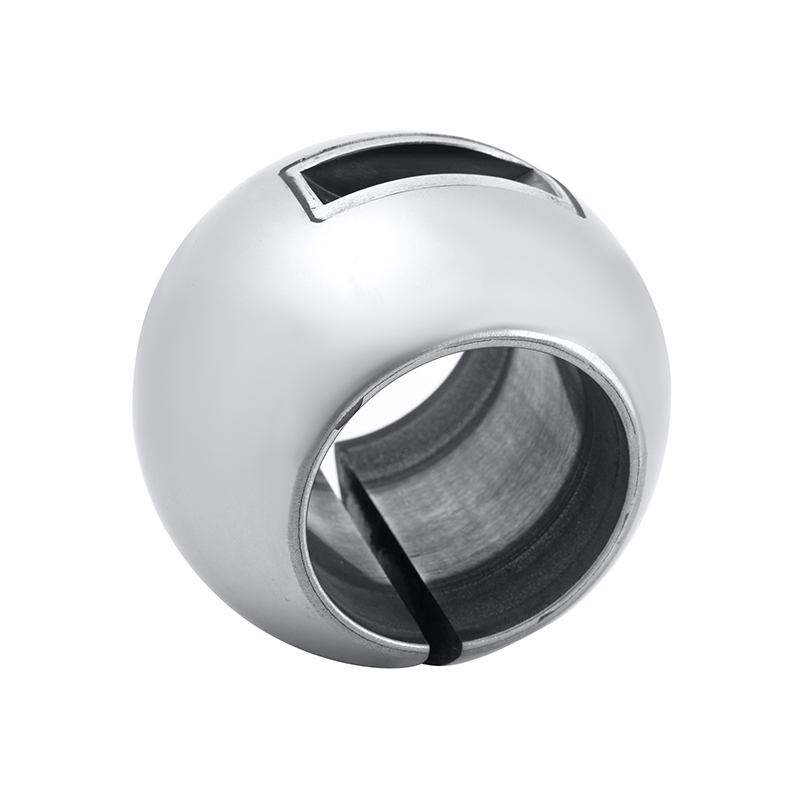
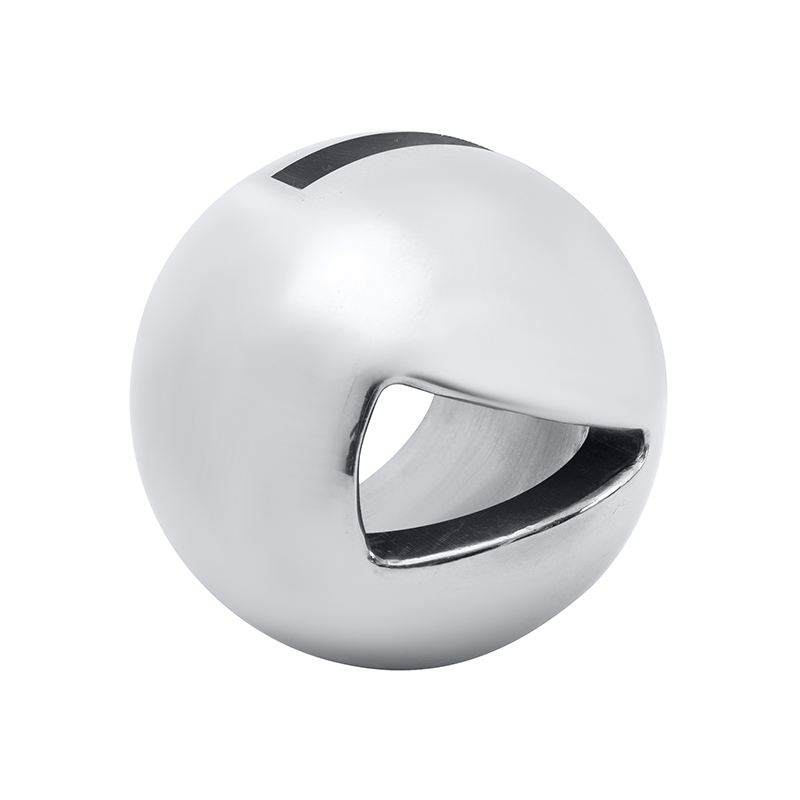
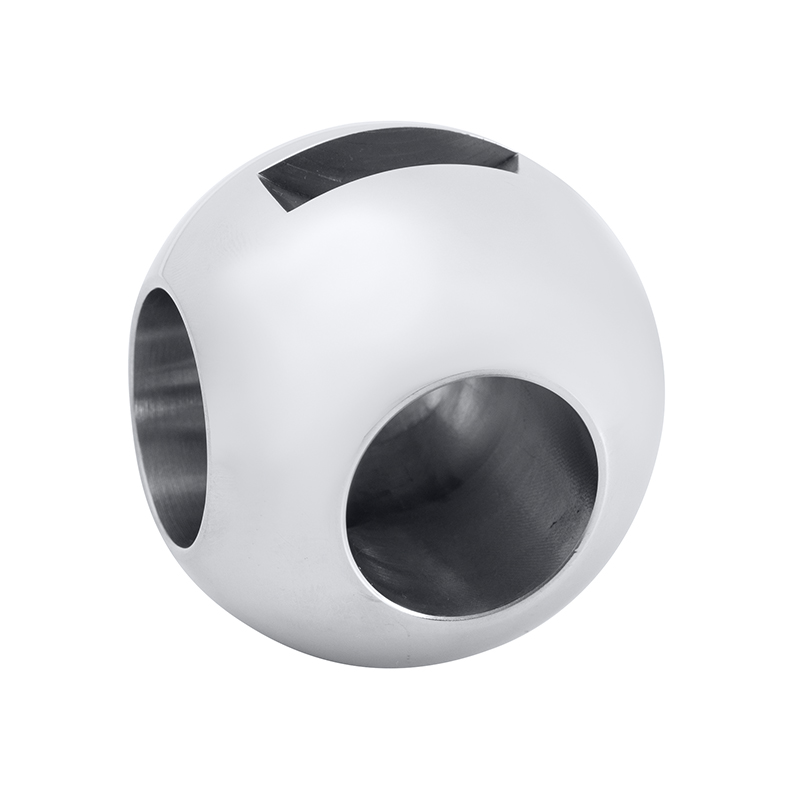
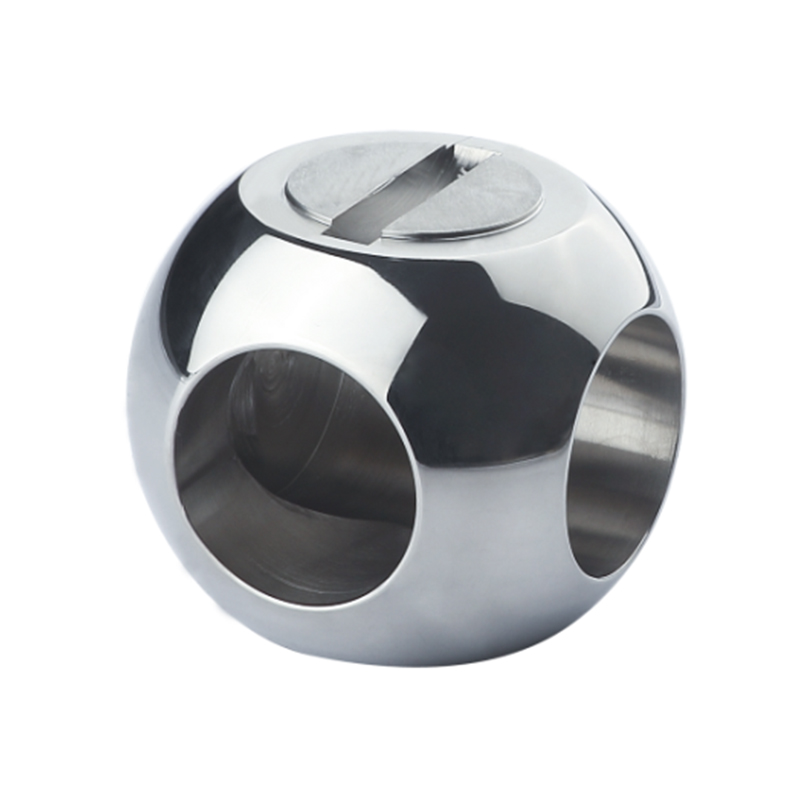
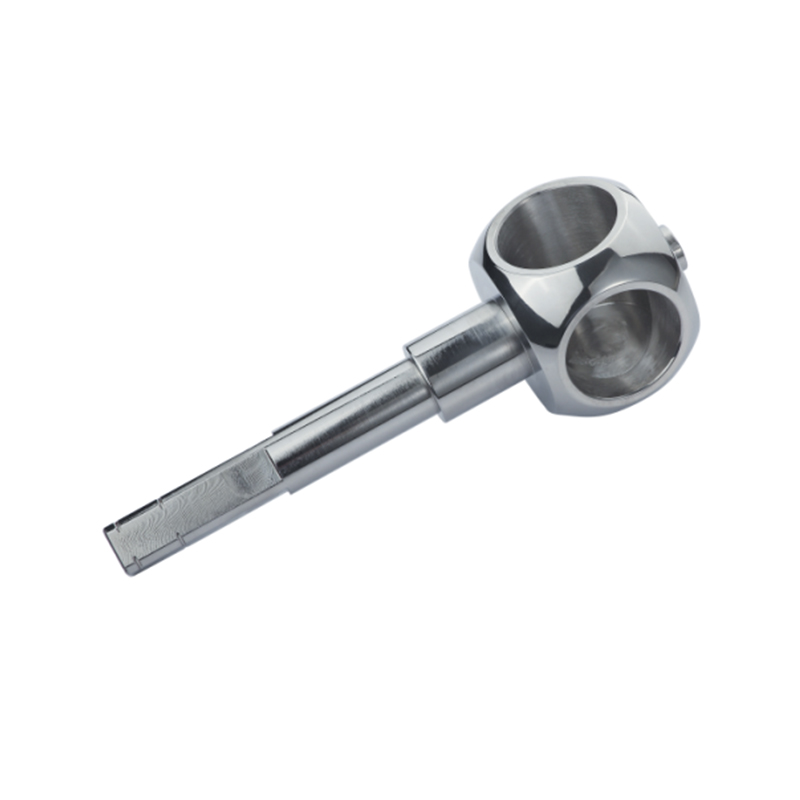
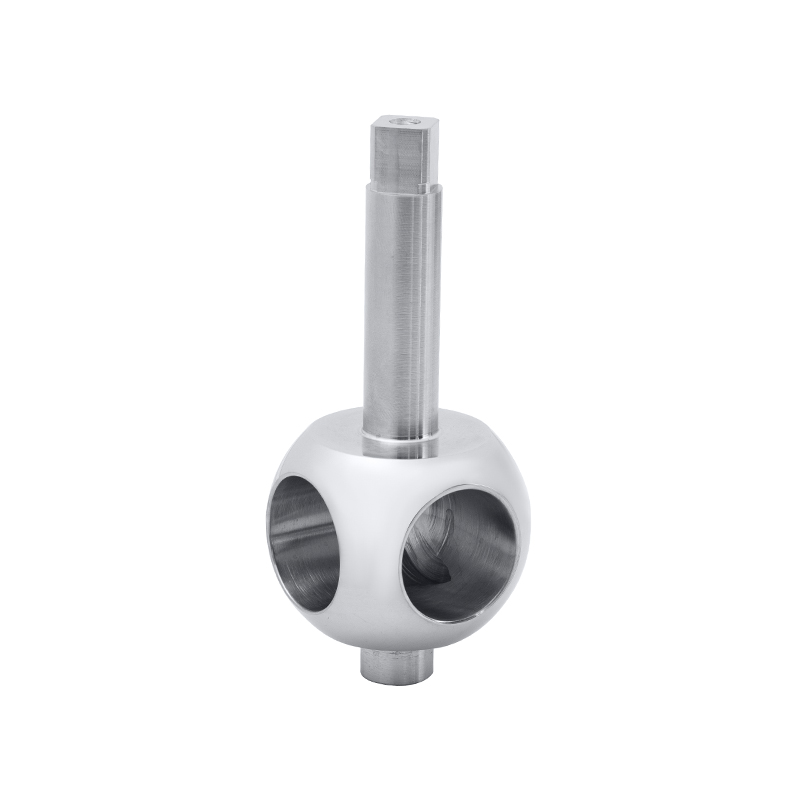
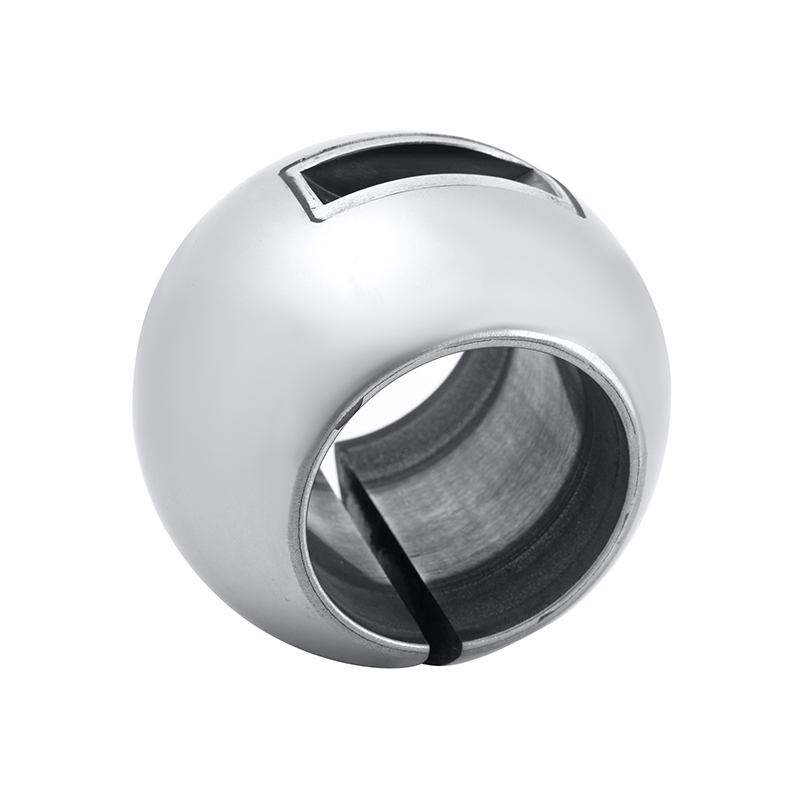
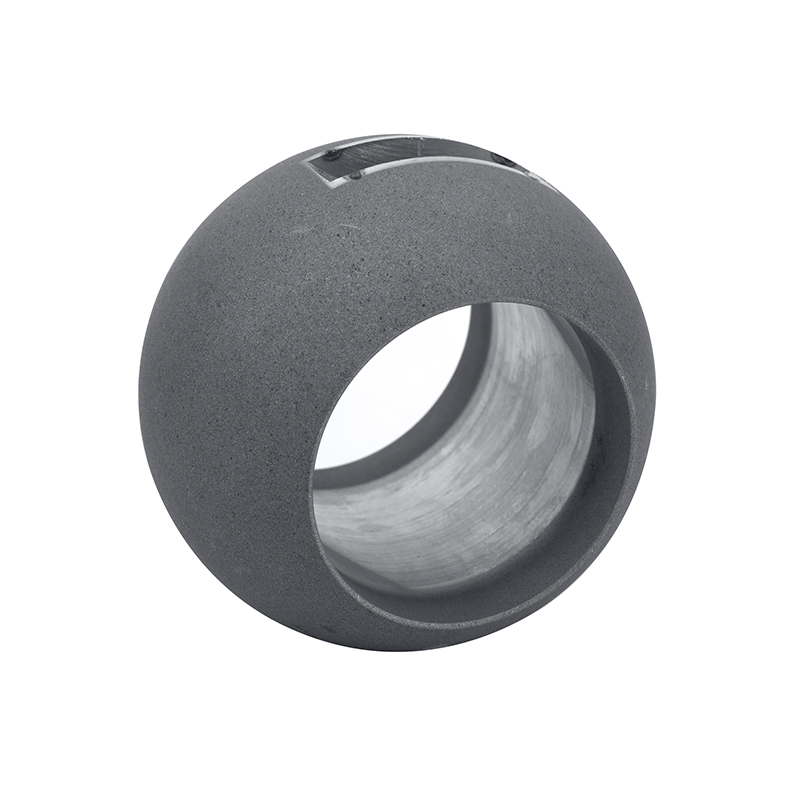
Why Choose This Hard Seal Straight Through Ball?
- Maintains sealing integrity under extreme pressure and temperature cycles
- Provides fire-safe metal sealing in emergency conditions
- Supports abrasive and particle-laden media without seat failure
- Reduces leakage risk in hydrogen and chemical processing systems
- Extends operational lifespan under continuous severe service conditions
- Enables stable shut-off performance in long-cycle industrial operations
Key Engineering Benefits
Metal-to-Metal Sealing for Extreme Conditions
The hardened sealing surfaces eliminate reliance on elastomers, ensuring stable shut-off performance under high temperature, high pressure, and corrosive environments.
Straight-Through Low Resistance Flow Design
The full bore geometry reduces turbulence and pressure drop, improving system efficiency in high-flow industrial pipelines.
Fire-Safe Structural Integrity
Even under fire exposure, the metal sealing interface maintains mechanical contact, ensuring compliance with fire-safe design standards such as API 607.
Wear-Resistant Surface Engineering
Advanced coatings such as tungsten carbide and chromium carbide significantly increase resistance to erosion from catalysts, slurry, and particulate media.
Thermal Stability Under Extreme Cycling
Matched material expansion properties ensure stable sealing geometry across wide temperature fluctuations, preventing mechanical loosening or leakage.
Long-Life “Install and Forget” Performance
Designed for multi-year operation cycles without maintenance intervention in unmanned or remote facilities.
Engineering Challenges We Solve
Industrial decarbonization, hydrogen infrastructure, and high-temperature process industries are pushing valve technology to its physical limits. Soft sealing systems are no longer sufficient in these environments.
Hydrogen & Supercritical CO₂ High-Energy Systems
In next-generation hydrogen and CCS applications, extreme pressure and temperature variations cause elastomer seals to fail rapidly. Metal-seated hard seal structures ensure stable shut-off even under thermal shock and molecular penetration risk.
Abrasive Catalyst & Slurry Erosion in Chemical Plants
Coal chemical, methanol synthesis, and catalytic cracking processes contain abrasive particles that rapidly damage soft seats. Hard seal surfaces resist erosion and maintain geometric accuracy over long operating cycles.
Fire-Safe and Zero-Leakage Regulatory Requirements (LDAR / EPA / EU IED)
Environmental regulations demand zero fugitive emissions. Hard seal ball valves provide intrinsic fire resistance, ensuring sealing integrity even during catastrophic external fire exposure.
Unmanned and Long-Cycle Industrial Operation
Modern “dark factory” systems require valves that operate for years without intervention. Hard seal systems eliminate soft seat degradation, preventing unexpected leakage-driven shutdowns.
Thermal Expansion Mismatch in Ultra-High Temperature Systems
In geothermal and ultra-supercritical power systems, temperature cycling can exceed hundreds of degrees. Matched metallic sealing surfaces prevent mechanical loosening and maintain consistent shut-off geometry.
Material & Surface Options (Engineering Selection Guide)
Material selection depends on corrosion, temperature, and erosion severity:
- F304 / CF8→ Standard industrial service and moderate corrosion
- F316L / CF3M→ Chemical, marine, and mildly corrosive environments
- F51 / F53 Duplex Steel→ Offshore, seawater, high strength applications
- Monel 400 / Inconel 718→ Hydrogen, high temperature, extreme corrosion
Surface engineering options:
- Tungsten Carbide (WC) Coating→ Severe abrasion and slurry service
- Chromium Carbide (CrC) Coating→ High temperature erosion resistance
- ENP (Electroless Nickel Plating)→ Chemical corrosion protection
- Ni60 Overlay Welding→ High hardness, long-life sealing surface
Comparison: Soft Seal Ball vs Hard Seal Straight Through Ball
|
Feature
|
Soft Seal Ball Valve
|
Hard Seal Straight Through Ball
|
|
Temperature Resistance
|
Limited (<200°C)
|
Up to 600°C+
|
|
Pressure Capability
|
Medium
|
High / Ultra-High
|
|
Abrasion Resistance
|
Poor
|
Excellent (coated metal surface)
|
|
Fire Safety
|
Seal failure risk
|
Fire-safe metal sealing
|
|
Leakage Risk (LDAR)
|
Higher
|
Extremely low
|
|
Service Life
|
Short–Medium
|
Long-cycle industrial duty
|
Typical Applications
|
Industry
|
Typical Media
|
Why Suitable
|
|
Hydrogen Energy Systems
|
Hydrogen gas, mixed gases
|
Prevents leakage under extreme conditions
|
|
Supercritical CO₂ Power
|
CO₂, high-pressure fluid
|
Maintains stability at thermal extremes
|
|
Coal Chemical Industry
|
Catalyst slurry, syngas
|
Resists particle erosion
|
|
Geothermal Energy
|
High-temp brine
|
Withstands corrosion and scaling
|
|
Petrochemical SIS / ESD Systems
|
Hydrocarbons
|
Fire-safe emergency shut-off reliability
|
Manufacturing Capability
We manufacture high-precision hard seal ball components using advanced industrial processes:
- Multi-axis CNC precision machining
- Ultra-fine grinding for spherical geometry control
- CMM dimensional inspection (3D coordinate measurement)
- Roundness and concentricity verification systems
- Metallographic structure analysis
- Spectrometer-based material verification
- Hardness, tensile, and wear resistance testing
All production follows strict OEM standards for critical service components.
OEM & Custom Manufacturing
We provide full engineering customization services:
- Production strictly according to technical drawings
- Material selection based on process media and operating conditions
- Custom hard coating and overlay welding solutions
- Surface roughness and sealing precision optimization
- Laser marking for full traceability compliance
- Export-grade packaging for global delivery
Packaging & Delivery
Samples are available for engineering validation prior to mass production. Standard lead time is about 30 days depending on material and coating complexity.
All products are packed in industrial-grade anti-impact packaging and reinforced wooden crates for global transportation.

 English
 Español
 Deutsch