Why Choose a Circular Groove Design?
Improve Sealing Reliability in Contaminated Media
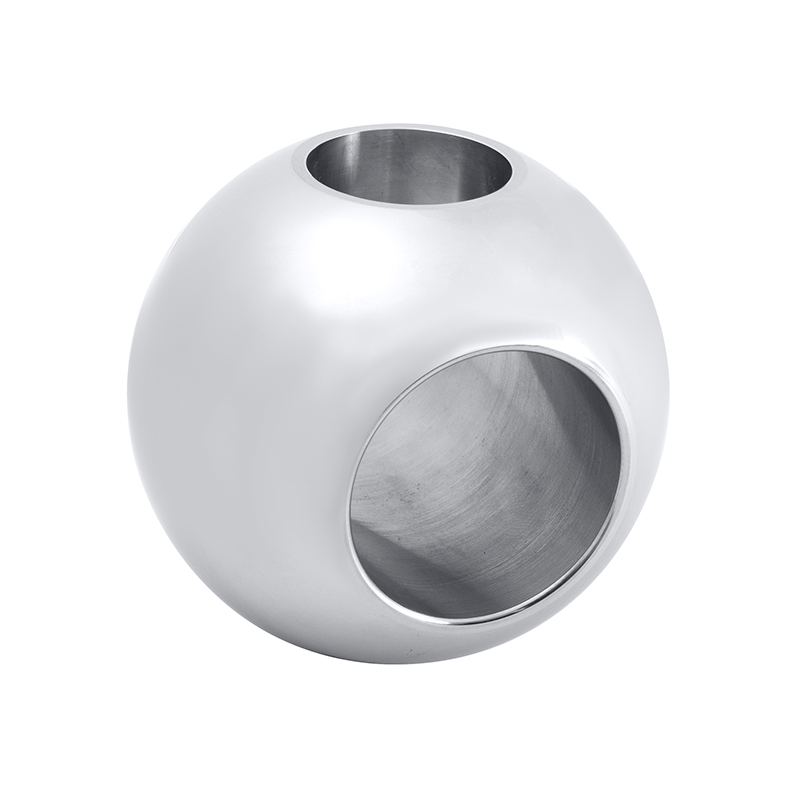
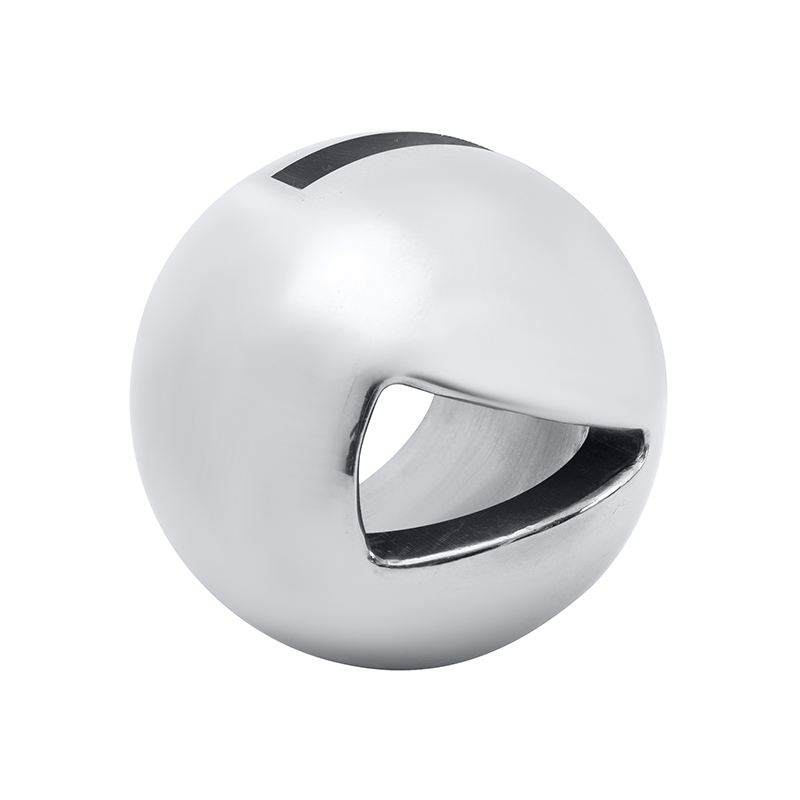
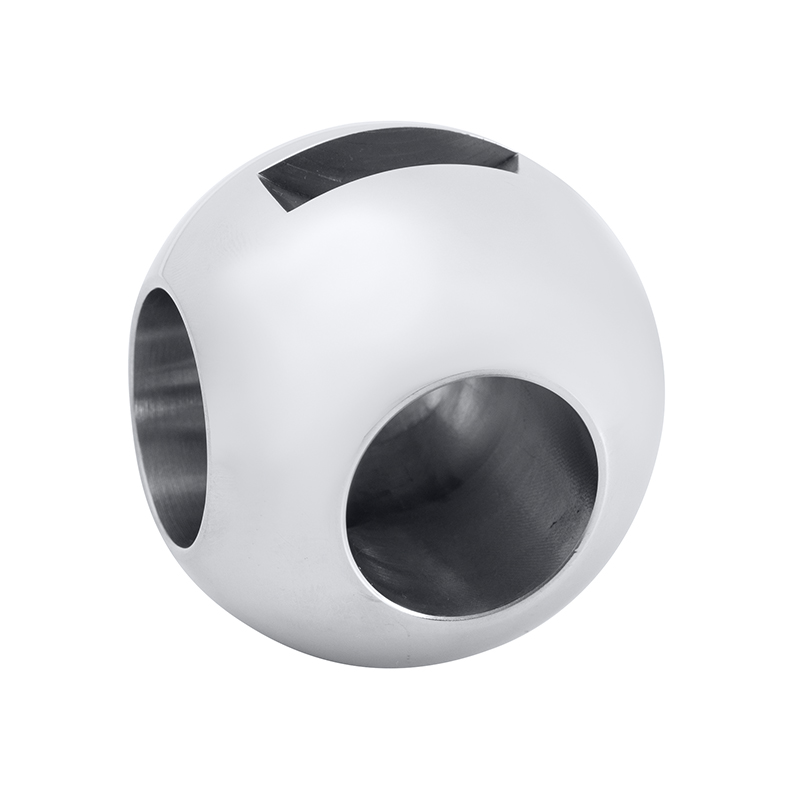
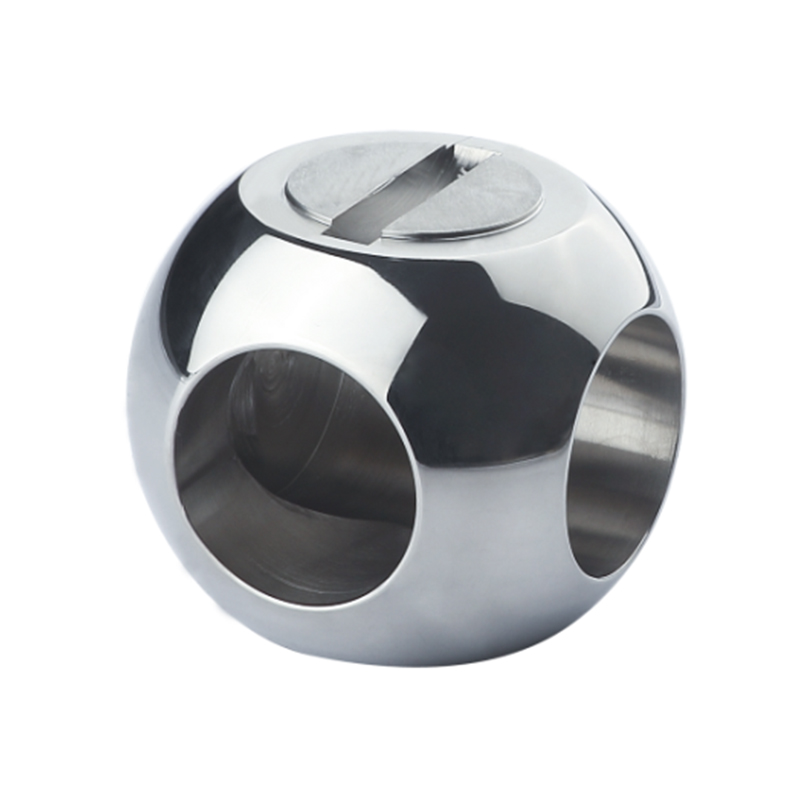
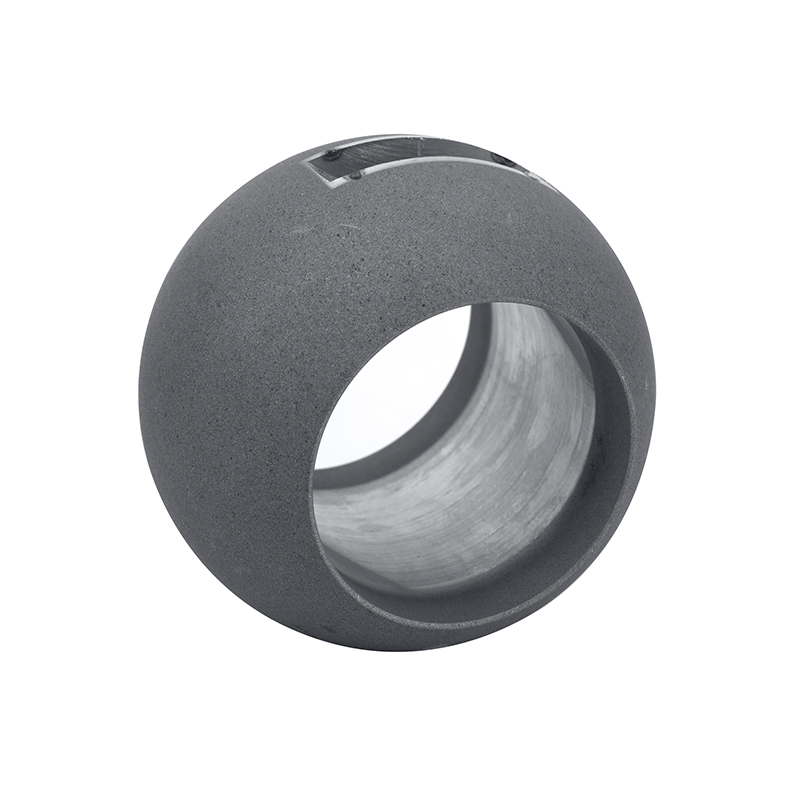
The circular groove creates additional space around the sealing area, helping reduce the accumulation of particles, wax, slurry, or process deposits that may affect sealing performance during repeated valve operation.
This design is commonly selected for applications where process media are prone to contamination or build-up.
Support Emergency Sealant Injection
For valve designs equipped with sealant injection systems, the circular groove can work together with the valve structure to create an additional sealing chamber.
This design is commonly specified for:
Natural Gas Pipelines
Sour Gas Service
Fugitive Emission Control
Emergency Valve Maintenance
Project-specific sealing configurations can be customized according to customer drawings.
Reduce Initial Operating Resistance
Compared with a completely flat sealing surface, the circular groove design can optimize the contact area between the ball and valve seats.
For valve manufacturers, this design may contribute to:
Smoother valve operation
Improved actuator matching
Reduced operating resistance during opening and closing
More stable torque characteristics throughout the valve service life
Actual operating performance depends on valve design, seat material, and application conditions.
Full Bore Design for Unrestricted Flow
The straight-through full-port bore allows process media to pass through without intentional flow restriction.
Typical benefits include:
Reduced pressure loss
Improved flow efficiency
Suitable for pipeline pigging systems
Reduced risk of material accumulation inside the valve
This design is commonly specified for transmission pipelines and process systems requiring full-bore flow.
Stable Performance Under High Differential Pressure
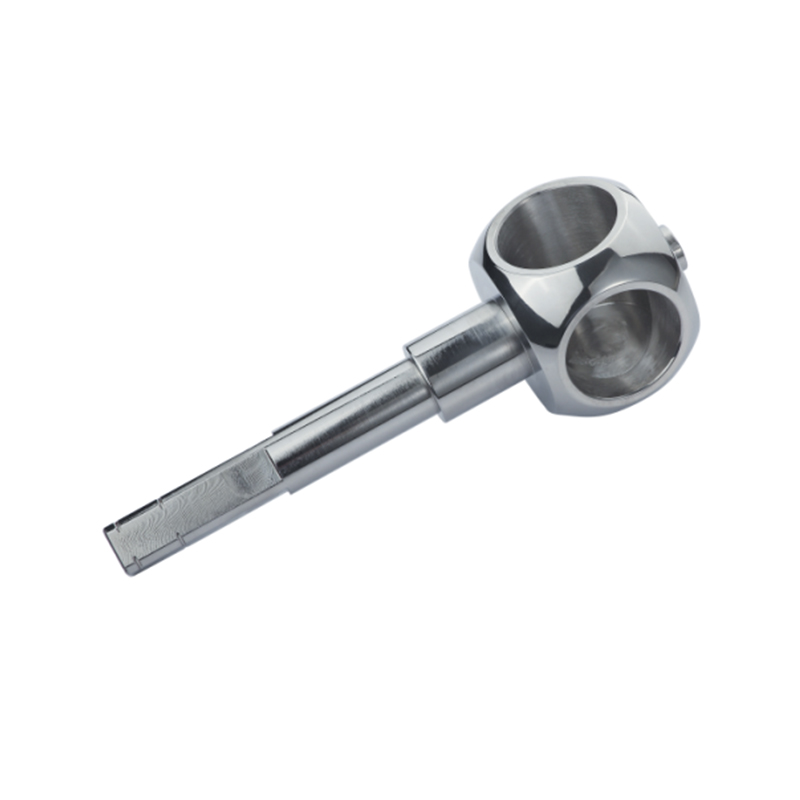
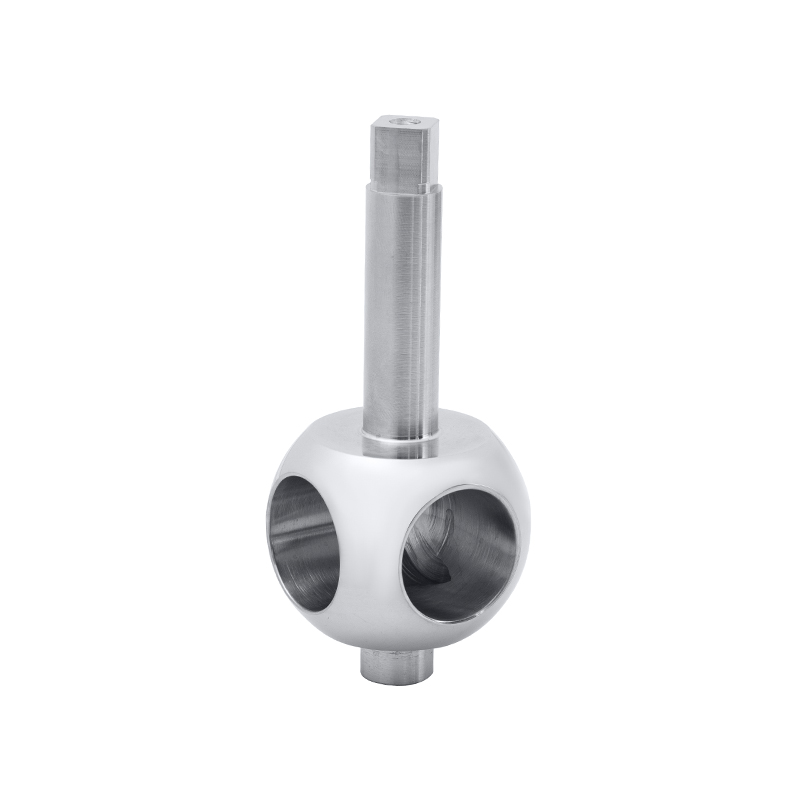
Unlike floating ball valves, the trunnion-mounted structure supports the ball from both the upper and lower shafts.
This design helps maintain stable positioning of the ball under higher operating pressures and is widely used in larger valve sizes and demanding industrial applications.
|
Feature
|
Circular Groove Fixed Ball
|
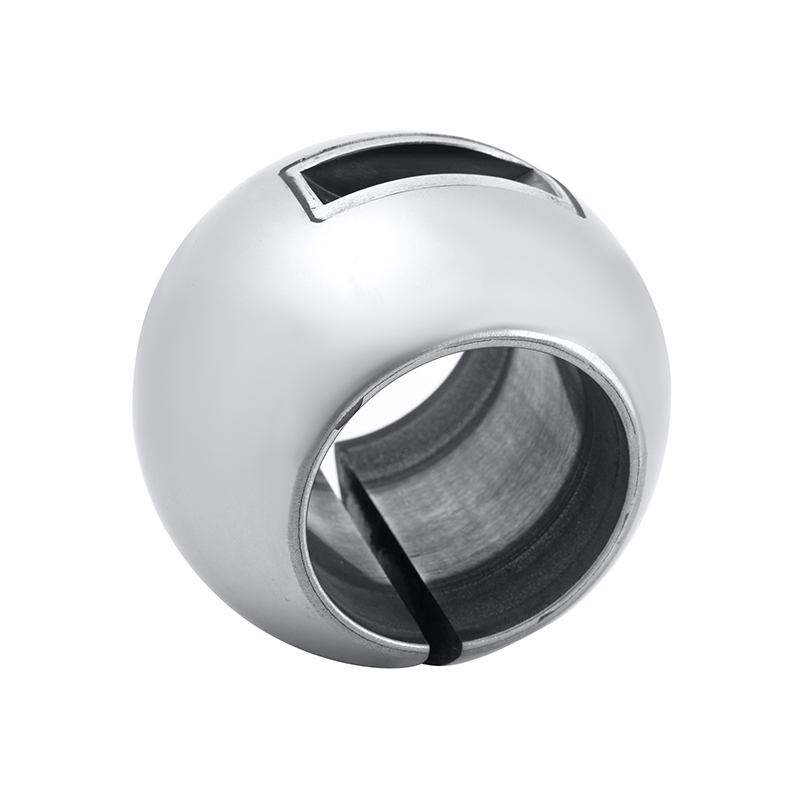
Hollow Floating Ball
|
|
Ball Support
|
Trunnion Mounted
|
Floating Ball
|
|
Typical Applications
|
High-Pressure & Severe Service
|
Water & Low-Pressure Systems
|
|
Flow Path
|
Full Bore Straight Through
|
Standard Bore
|
|
Circular Groove Design
|
Yes
|
No
|
|
Emergency Sealant Compatibility
|
Available on Applicable Valve Designs
|
Typically Not Used
|
|
Piggable Pipeline Applications
|
Suitable
|
Generally Not Recommended
|
|
Valve Size
|
Medium to Large Valves
|
Small to Medium Valves
|
|
Typical Industries
|
Oil & Gas, Petrochemical, Mining
|
Water Treatment, General Industry
|
Typical Applications
Oil & Gas Transmission
Suitable for full-bore pipeline valves where pigging operations and reliable shut-off performance are required.
Petrochemical Processing
Designed for process media that may contain wax, coke deposits, or other contaminants affecting sealing surfaces.
Chemical Plants
Suitable for valves operating with viscous, corrosive, or polymerizing process media.
Mining & Slurry Transport
Recommended for slurry handling systems where suspended particles may affect conventional sealing surfaces.
Pulp & Paper Industry
Applicable to pulp slurry pipelines and process valves requiring reliable operation in fiber-containing media.
Manufacturing Process
Every valve ball is produced according to a controlled manufacturing workflow.
Production Process
Customer Drawing Review
Material Verification
CNC Turning
Precision Sphere Machining
Circular Groove Machining
Surface Engineering
Dimensional Inspection
Material Verification
Final Quality Inspection
Export Packaging
Each production stage is completed according to the customer's technical drawings before shipment.
OEM & Procurement Information
Custom Manufacturing Options
Customization is available for:
Groove Geometry
Groove Width & Depth
Ball Diameter
Full Bore Design
Material Selection
Surface Engineering
Special Alloy Processing
Drawing Revision Support
Manufacturing Capability
Production equipment includes:
CNC Turning Centers
CNC Machining Centers
Precision Grinding Equipment
Annual production value:
RMB 80 Million
Inspection Capability
Quality verification includes:
Coordinate Measuring Machine (CMM)
Roundness Tester
Surface Roughness Tester
Hardness Tester
Tensile Testing Equipment
Metallographic Laboratory
Desktop Spectrometer
Inspection reports can be supplied according to customer specifications.
Order Information
MOQ: Determined by drawing complexity and material selection
Sample Production: Supported
Standard Lead Time: Approximately 30 Days
Payment Terms: T/T, L/C, Long-Term Supply Agreements
How to Request a Quotation
To receive a detailed quotation, buyers are encouraged to provide:
Product Drawing or 3D CAD File
Pressure Class
Material Requirement
Pipeline Medium
Quantity
Surface Treatment Requirement
Inspection Documentation Requirements
Delivery Schedule
Providing complete engineering information helps accelerate technical evaluation and quotation preparation.

 English
 Español
 Deutsch