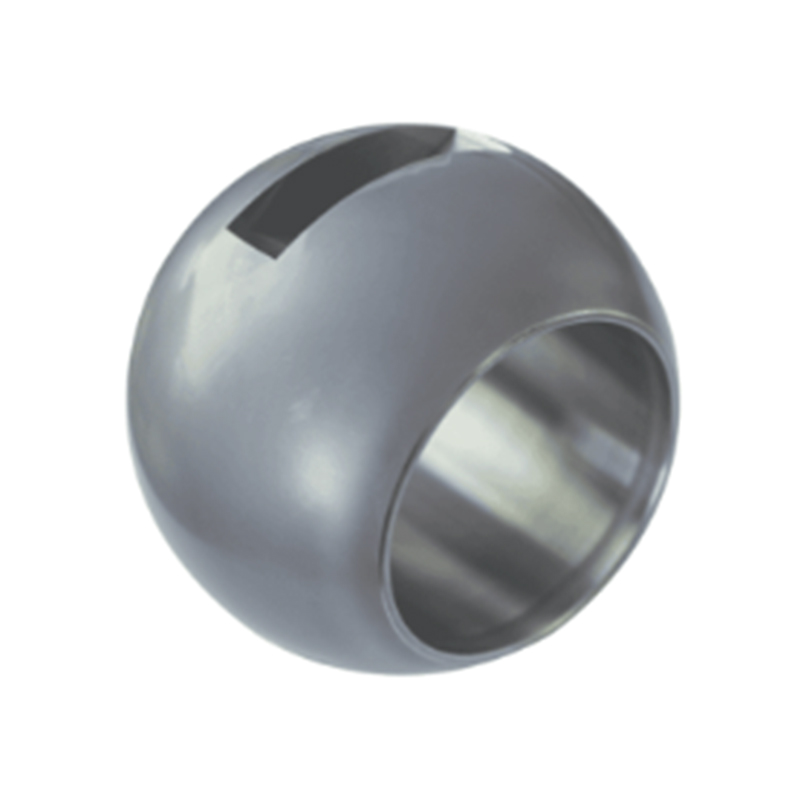
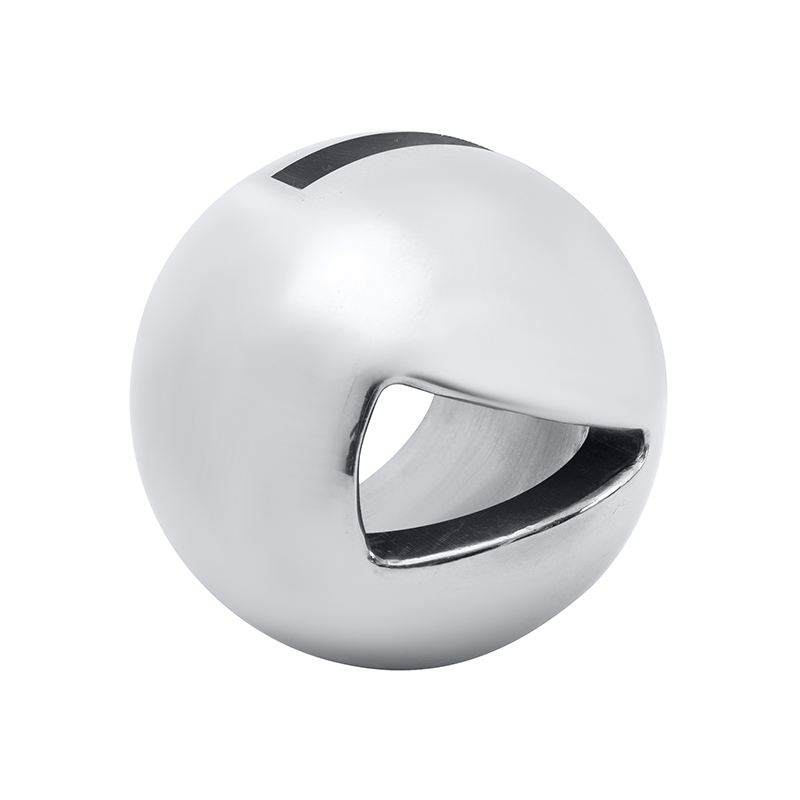
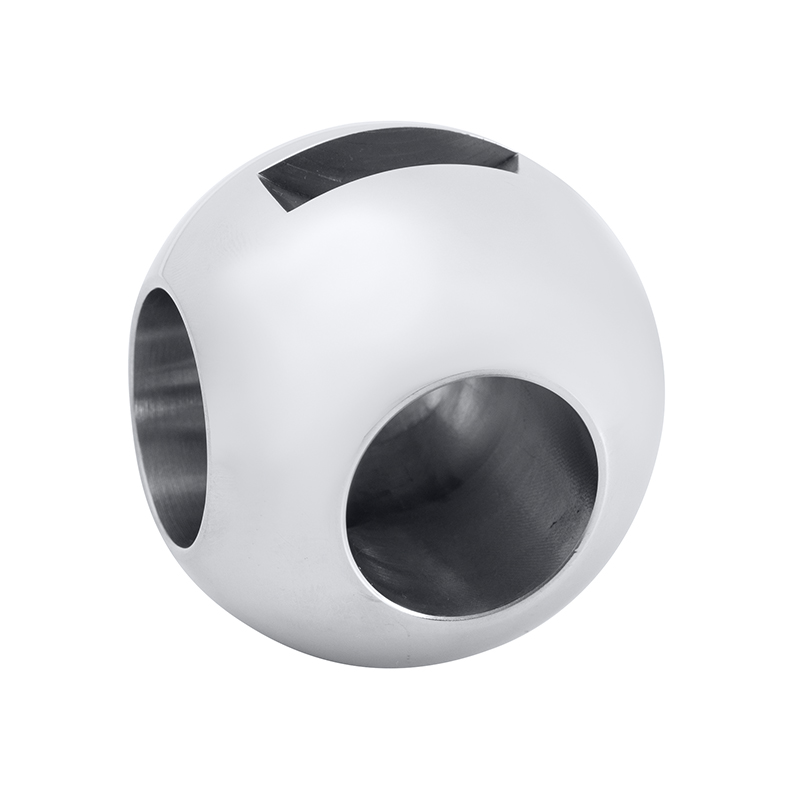
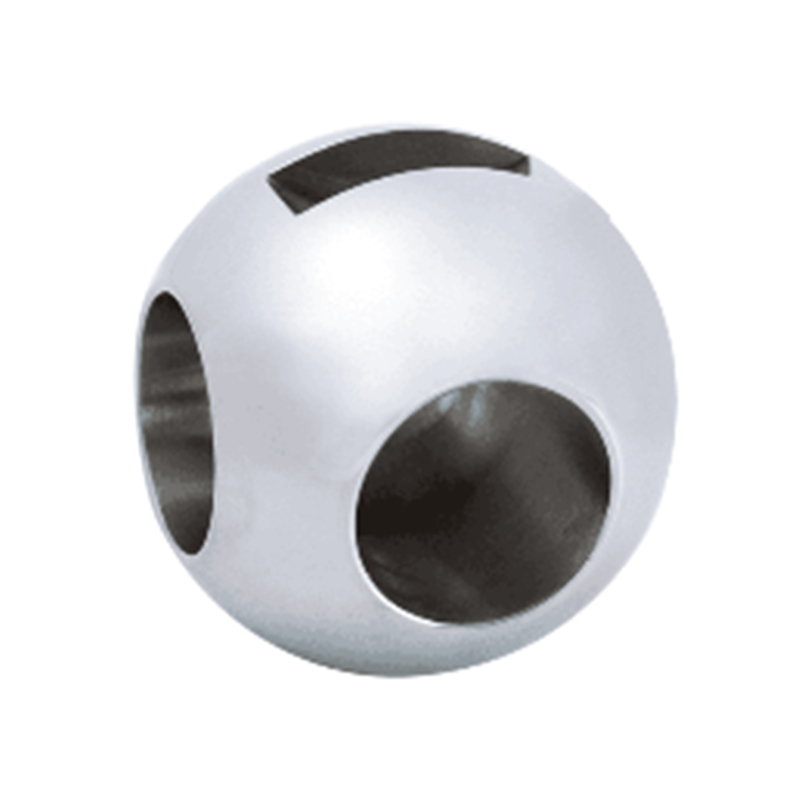
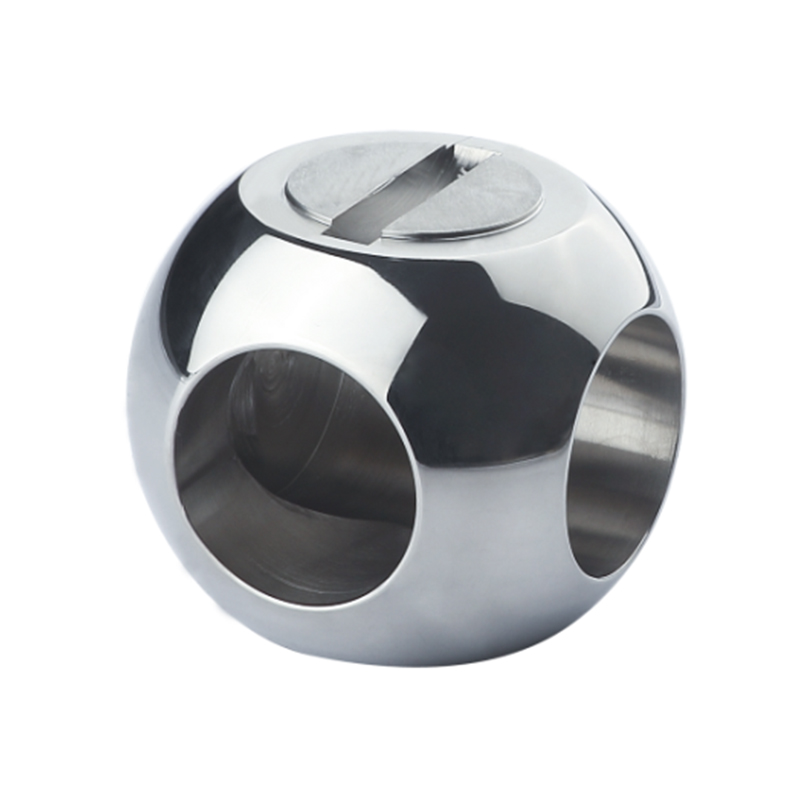
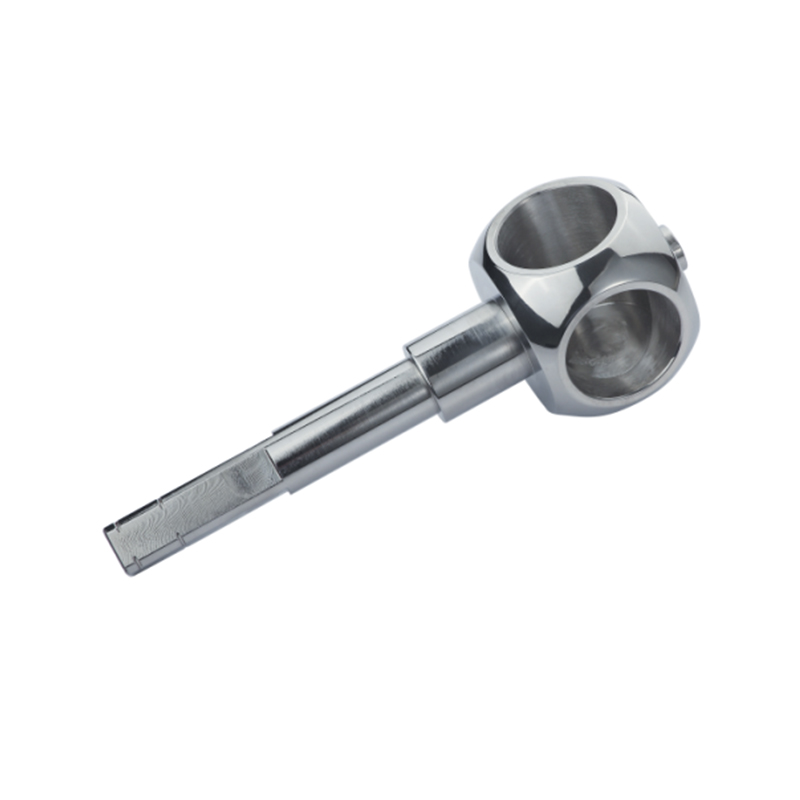
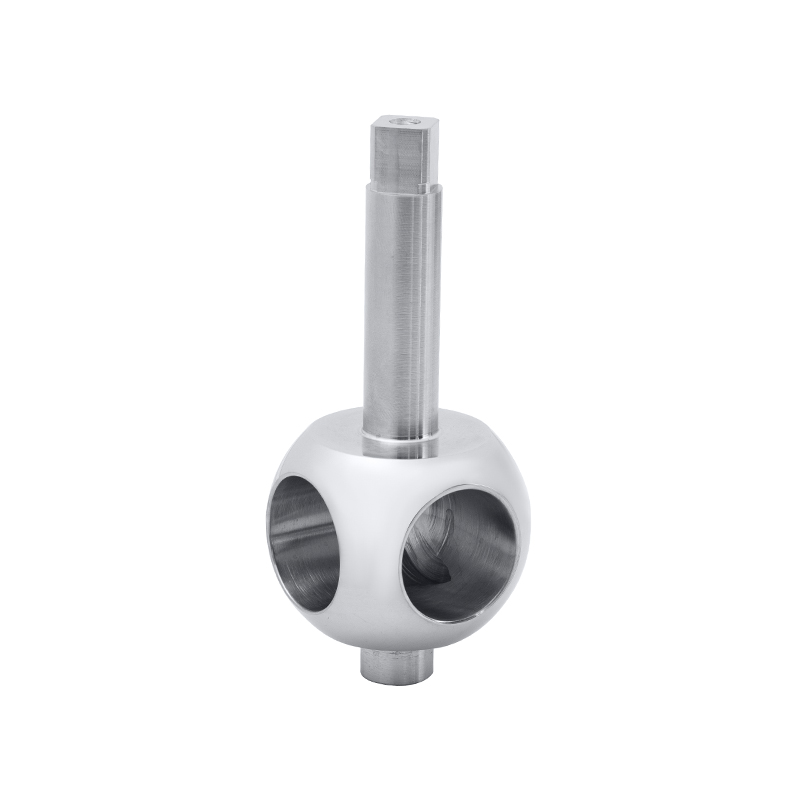
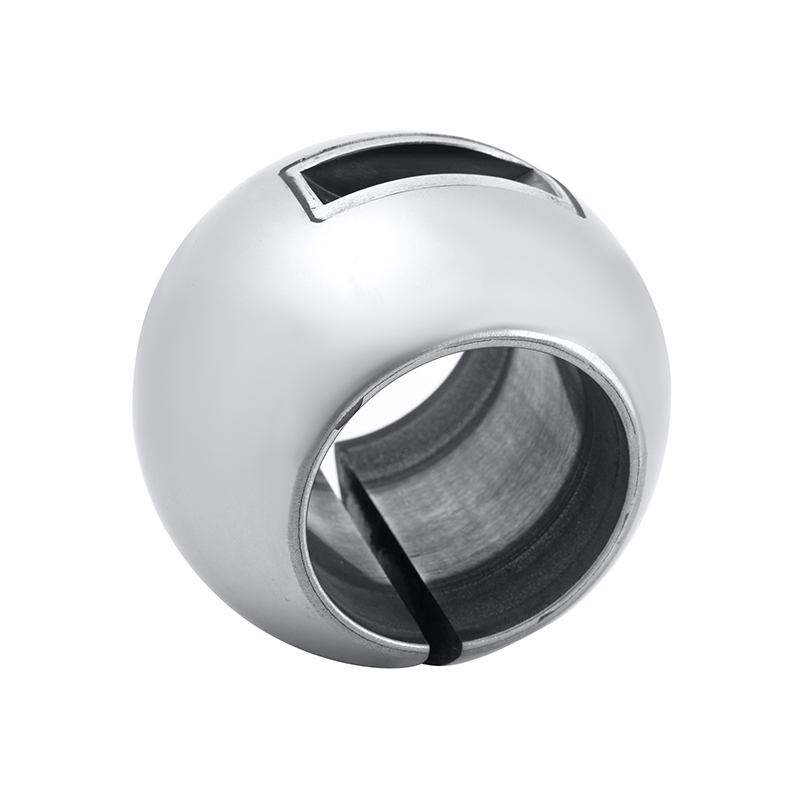
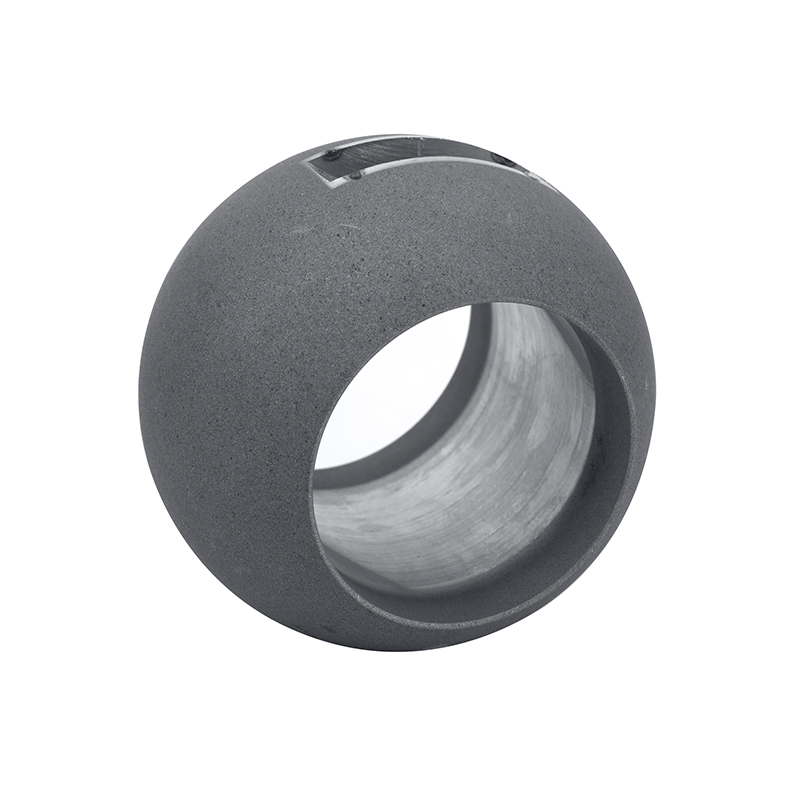
Why Choose This Valve Ball?
Unlike conventional hard seal balls, this mirror-finished design reduces metal-to-metal friction at the contact interface. This results in:
- Lower actuation torque under high pressure
- Stable sealing under thermal cycling
- Improved repeatability in automated control systems
- Reduced wear rate of both ball and seat
- More consistent shut-off performance over long service life
In modern automated plants, where valve behavior directly affects PID control loops, surface quality is no longer a finishing step—it is a control parameter.
Key Engineering Benefits
- Eliminates stick-slip behavior in metal sealing systems
Ultra-smooth surface reduces static/dynamic friction differences, enabling stable micro-positioning in automated flow control.
- Enables precision modulation in hard seal valves
Hard seal systems traditionally fail in small-step regulation; mirror finish improves low-opening stability.
- Reduces actuator energy consumption
Lower friction directly reduces required torque, allowing smaller actuators and improved energy efficiency.
- Improves sealing reliability under extreme conditions
Maintains tight shut-off in hydrogen, CO₂, slurry, and high-temperature thermal cycling environments.
- Extends service life of valve seat system
Reduced abrasion minimizes seat damage and coating fatigue over long operational cycles.
Engineering Challenges We Solve
Hydrogen Energy & CCUS Micro-Leakage Control
Hydrogen molecules and supercritical CO₂ require near-zero leakage performance. Surface micro-defects are the main leakage path. The mirror-finished ball reduces microscopic channels, helping systems meet ISO 15848 fugitive emission requirements.
Automation & Digital Control Instability
In Industry 4.0 systems, valves must respond to micro-step signals. Traditional hard seals suffer from stick-slip, causing control oscillation. The smooth surface stabilizes mechanical response and improves PID loop accuracy.
Abrasive Slurry Erosion in Circular Economy
Battery recycling, mining tailings, and catalyst slurries destroy standard sealing surfaces. The ultra-polished base improves coating adhesion and reduces erosion initiation points.
High-Energy Efficiency Requirements (ESG Pressure)
High torque valves increase actuator energy consumption across large plants. Reduced friction directly lowers operational power demand, supporting carbon reduction goals.
Ultra-Clean Process Contamination Risk
In semiconductor and fine chemical systems, even microscopic metal debris is unacceptable. Smooth surfaces reduce break-in wear and particle generation during initial cycles.
Material & Surface Options
Material selection depends on service severity:
- 316L / 304 stainless steel→ general chemical, water, low corrosion systems
- Duplex 2205 / 2507→ high chloride, offshore, seawater systems
- Monel 400 / Inconel 718→ hydrogen, high temperature, extreme corrosion
- LF2 carbon steel→ low temperature cryogenic service
- C6022 / special alloys→ customized aggressive chemical environments
Surface engineering is critical:
- WC / Ni60 coating → slurry, mining, abrasive media
- ENP (Electroless Nickel Plating) → corrosion + wear balance
- HVOF / thermal spray → extreme erosion protection
- Mirror polishing → ultra-low leakage and precision control
Typical Applications
|
Industry
|
Media
|
Why Suitable
|
|
Hydrogen Energy
|
H₂ gas/ blending systems
|
Ultra-low leakage + stable sealing
|
|
CCUS / Supercritical CO₂
|
CO₂ high-pressure flow
|
Micro-leak prevention
|
|
Petrochemical
|
hydrocarbons, catalysts
|
high temperature resistance
|
|
Slurry & Mining
|
abrasive particles
|
erosion resistance + coating stability
|
|
Semiconductor / Pharma
|
ultra-pure fluids
|
particle-free operation
|
Manufacturing Capability
- Multi-axis CNC precision machining centers
- High-precision spherical grinding systems
- CMM (Coordinate Measuring Machine) inspection
- Roundness and surface roughness testing
- Spectrometer material verification
- Hardness & tensile testing lab
- Full OEM / ODM drawing-based production system
All components are manufactured strictly according to engineering drawings with full dimensional traceability.
OEM & Custom Manufacturing
We support full customization including:
- Drawing-based machining
- Material substitution engineering
- Surface coating selection
- Laser marking / traceability coding
- Custom packaging for export logistics
- Full inspection reports (dimensional + material + hardness)
Packaging & Delivery
- Sample support available
- Standard lead time: ~30 days depending on material
- Anti-collision protective bag
- Reinforced carton packaging
- Export-grade wooden case
- Global shipping support
- Payment terms: T/T, L/C, long-term cooperation agreements

 English
 Español
 Deutsch