 English
 Español
 Deutsch

Across global valve procurement markets, engineers and industrial buyers are increasingly facing the same issue: traditional soft-sealing components are no longer stable enough for modern high-pressure, high-temperature, and abrasive media environments. Whether in petrochemical systems, water treatment plants, or industrial pipelines, the demand for longer service life and tighter sealing performance is pushing buyers to rethink core valve components.
Recent search behavior from overseas procurement teams highlights rising interest in terms such as “high temperature valve ball durability,” “metal seated ball for abrasive media,” and “industrial valve leakage reduction solutions.” These reflect a clear industry shift toward more robust sealing technologies designed for long-cycle operation and reduced maintenance downtime.
Harsh Operating Conditions Are Exposing Weaknesses in Traditional Valve Designs
In real industrial applications, valve components are exposed to conditions far more demanding than standard testing environments. Soft-seal solutions often struggle under continuous pressure fluctuations, corrosive media, and particulate erosion.
Common operational issues include:
- seal deformation under high temperature cycles
- leakage after repeated opening/closing cycles
- surface wear caused by abrasive fluids
- reduced sealing reliability in high-pressure pipelines
These challenges are particularly common in energy, chemical processing, and heavy industrial systems, where downtime can significantly impact production continuity.
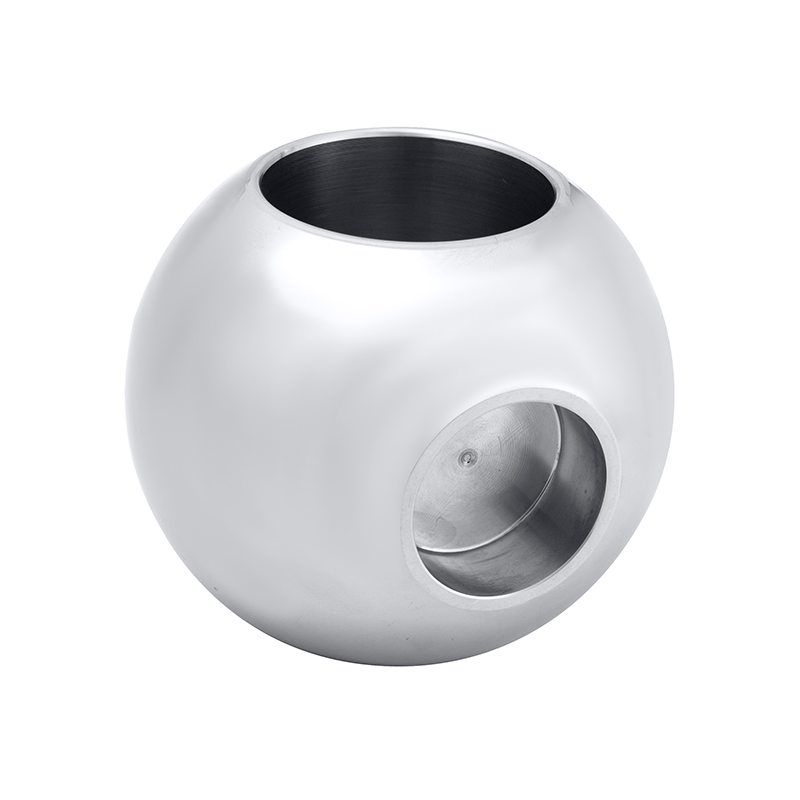
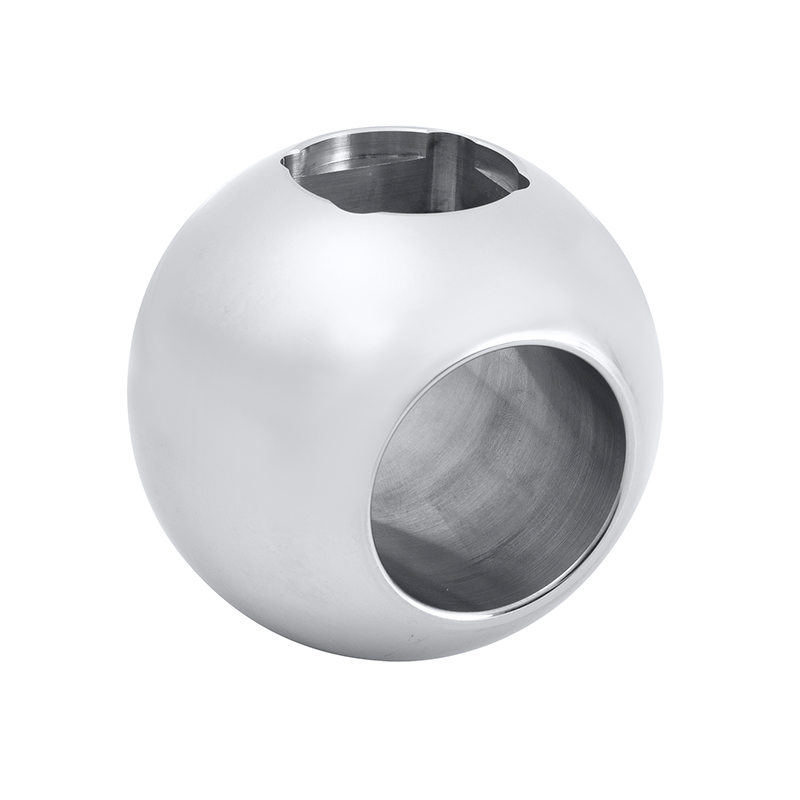
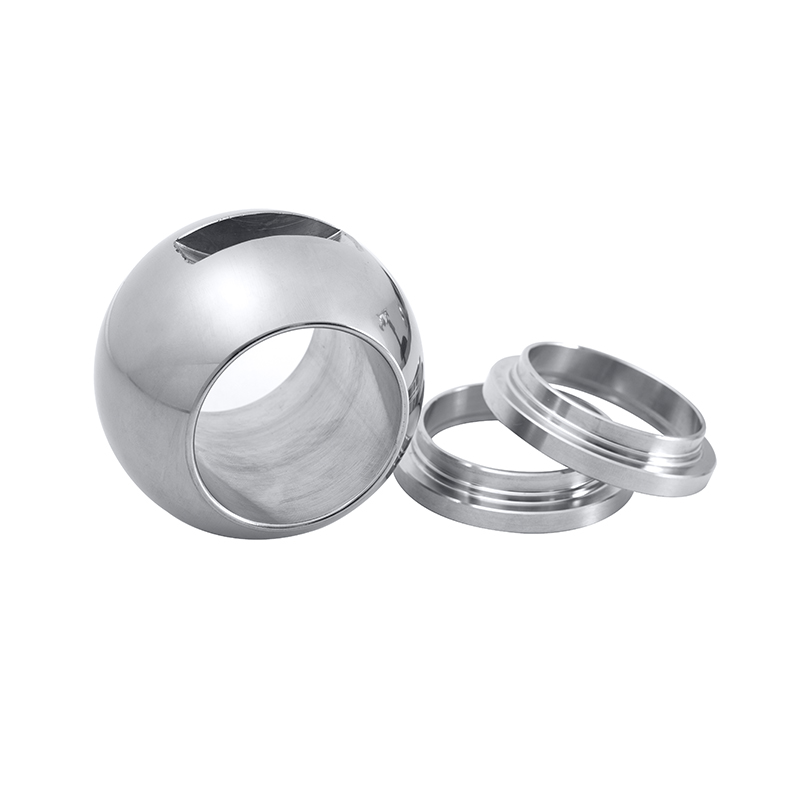
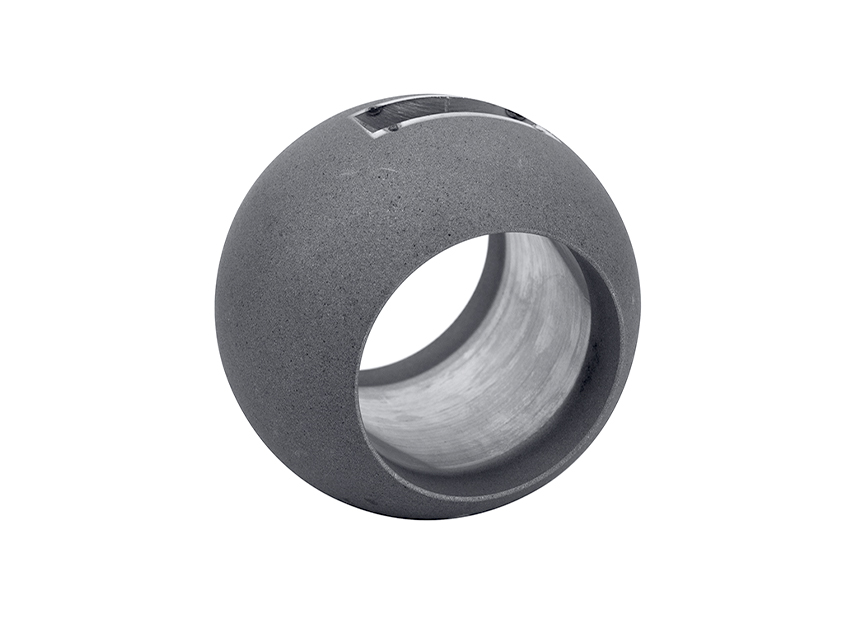
To address these issues, buyers are increasingly turning toward hard-sealing structures designed for mechanical stability and long-term sealing consistency, such as Hard Seal Ball solutions.
Wear Resistance Has Become a Core Procurement Requirement
Unlike general-purpose components, modern industrial valve systems are evaluated based on lifecycle performance rather than initial cost alone. Buyers now prioritize how components behave after extended operational cycles.
Key performance expectations include:
- resistance to surface erosion in abrasive media
- stable sealing after thousands of cycles
- minimal deformation under fluctuating pressure
- compatibility with corrosive industrial fluids
This shift is driven by the need to reduce maintenance shutdowns and extend service intervals in large-scale industrial systems.
Material Selection Directly Impacts Valve Reliability
One of the most important factors in valve ball performance is material composition. Different industrial environments require different material properties to maintain structural integrity.
Common materials used in industrial valve production include:
- 2Cr13 for balanced hardness and corrosion resistance
- A105 for general industrial pressure systems
- LF2 for low-temperature applications
- F304 / F316 for corrosion-resistant environments
- F51 / F53 duplex steel for high-strength offshore and chemical systems
These materials are selected based on pressure conditions, media type, and environmental exposure, ensuring that each valve ball is matched to its operational requirement rather than using a one-size-fits-all approach.
Precision Machining Is Critical for Sealing Performance
Even with high-quality materials, sealing performance depends heavily on machining precision. In industrial valve systems, microscopic surface deviations can lead to leakage or uneven wear over time.
Manufacturing priorities include:
- high-precision spherical grinding accuracy
- surface finish optimization for sealing contact
- strict dimensional tolerance control
- consistency across batch production
For engineering teams, this level of precision ensures predictable sealing behavior in complex pipeline systems, reducing the risk of unexpected system failure.
High-Pressure and Corrosive Media Applications Are Driving Demand Growth
Industries such as petrochemical processing, offshore engineering, and power generation require valve components that can withstand extreme operating environments.
Typical application challenges include:
- high-pressure flow instability
- corrosive chemical exposure
- thermal cycling stress
- continuous 24/7 operation requirements
In these environments, hard-sealing structures provide improved stability and reduced leakage risk compared to conventional designs, making them increasingly preferred in critical infrastructure systems.
Custom Manufacturing Is Becoming a Key Purchasing Advantage
Industrial buyers are no longer satisfied with standard catalog components. Instead, they require customized solutions based on system pressure, media type, and installation structure.
Customization requirements often include:
- material selection based on working environment
- size and dimensional adjustments for specific valves
- surface treatment options for corrosion resistance
- application-specific sealing design optimization
As a professional manufacturer, Zhejiang Boshi Valve Technology Co. provides tailored engineering support to match these requirements, ensuring that each product aligns with real-world industrial conditions rather than generic specifications.
Valve Manufacturing Capability Defines Long-Term Supply Stability
In global procurement decisions, supply chain stability and manufacturing consistency are becoming as important as product design. Buyers are increasingly evaluating suppliers based on long-term reliability rather than one-time delivery.
A reliable Valve ball factory must ensure:
- stable raw material sourcing and traceability
- consistent machining quality across production batches
- engineering support for application-specific requirements
- scalable production capacity for large industrial orders
As industrial systems become more complex, suppliers that combine material expertise, precision machining, and customization capability are gaining stronger positions in global valve markets.