 English
 Español
 Deutsch

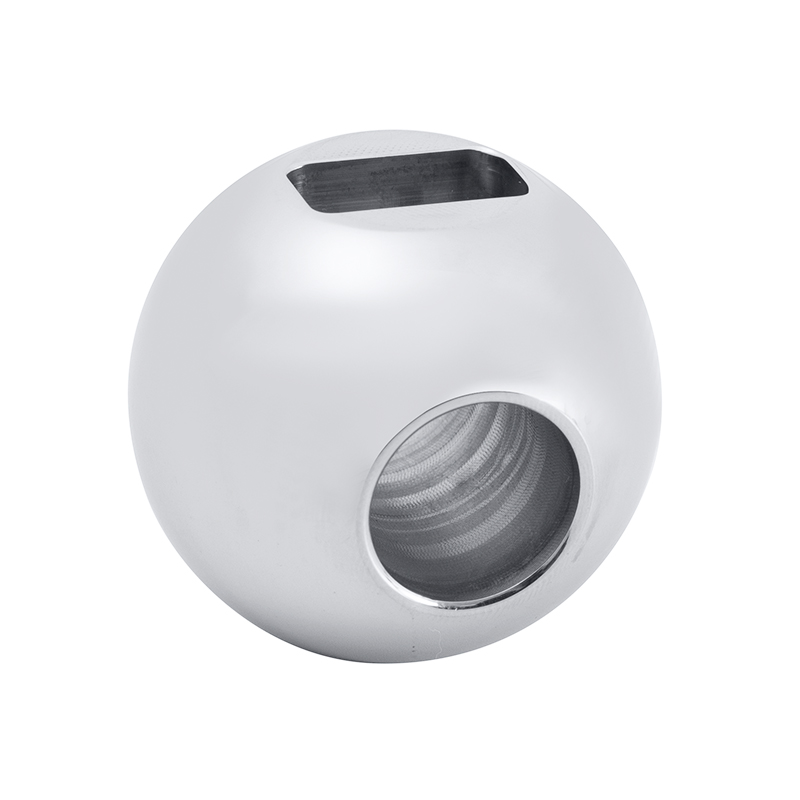
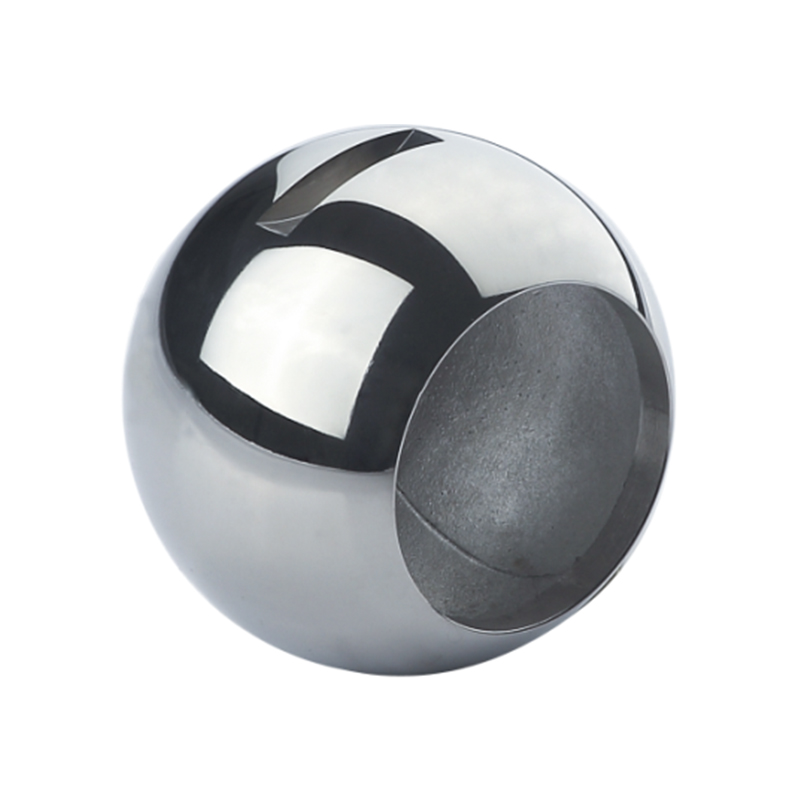
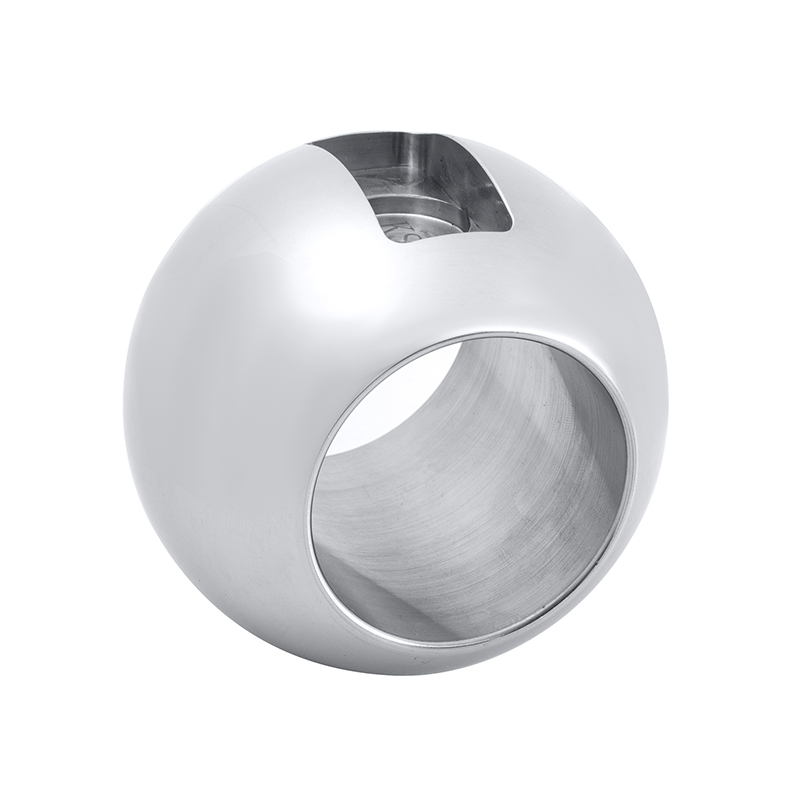
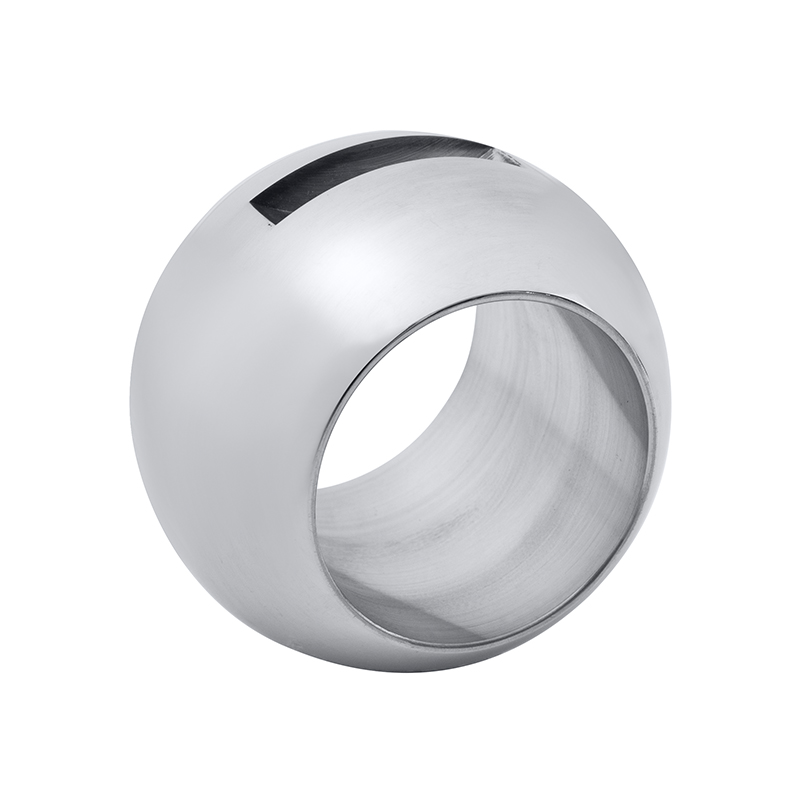
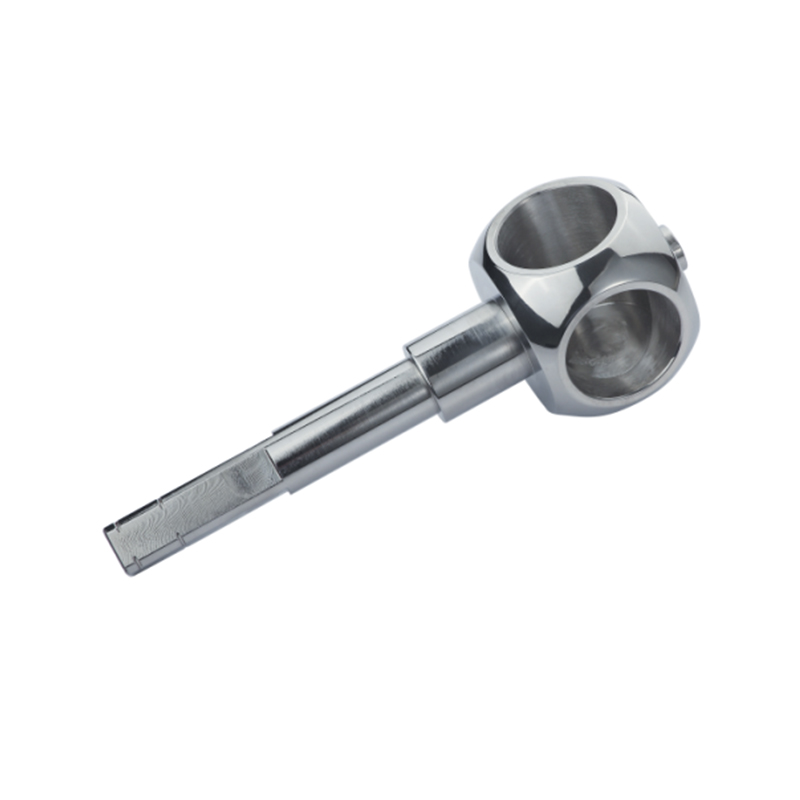
In industries such as oil & gas, chemical processing, LNG transportation, and power generation, equipment reliability often depends on the quality of individual components. Among these, the Hard Seal Ball plays a critical role in ensuring sealing performance under demanding operating conditions. However, many procurement teams discover that valve failures are not caused by design flaws alone, but by inadequate material selection and manufacturing precision. As industrial systems become more complex, buyers are increasingly evaluating the capabilities of a supplier before placing orders, especially when sourcing from a professional valve component manufacturer.
Why Extreme Operating Conditions Require Better Materials
Modern industrial valves frequently operate in environments involving high pressure, elevated temperatures, abrasive media, and corrosive chemicals. Standard materials may perform adequately in general applications, but severe-service environments demand higher-performance solutions.
Engineers are increasingly searching for valve balls manufactured from materials such as F316, F51, F53, LF2, and A105 because these materials provide different combinations of corrosion resistance, strength, and durability. Selecting the right material at the design stage can help reduce downtime and maintenance costs throughout the equipment lifecycle.
The Growing Focus on Valve Lifecycle Costs
A noticeable trend among industrial buyers is the shift from purchase price evaluation to lifecycle cost analysis.
Many companies have realized that replacing failed valve components, stopping production lines, and performing maintenance often cost significantly more than the original component itself. As a result, procurement teams now focus on product longevity, wear resistance, and operational stability.
This change has increased demand for high-quality metal seated valve components that can maintain performance under continuous operation.
Surface Finish Directly Affects Sealing Performance
One often overlooked factor in valve performance is surface quality. Even when premium materials are used, poor machining can compromise sealing effectiveness.
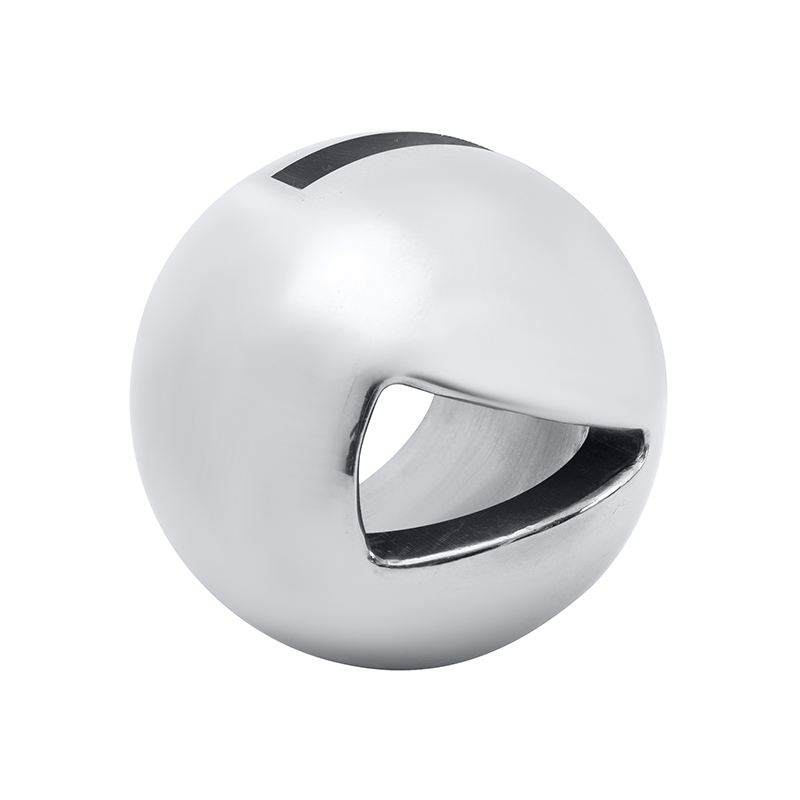
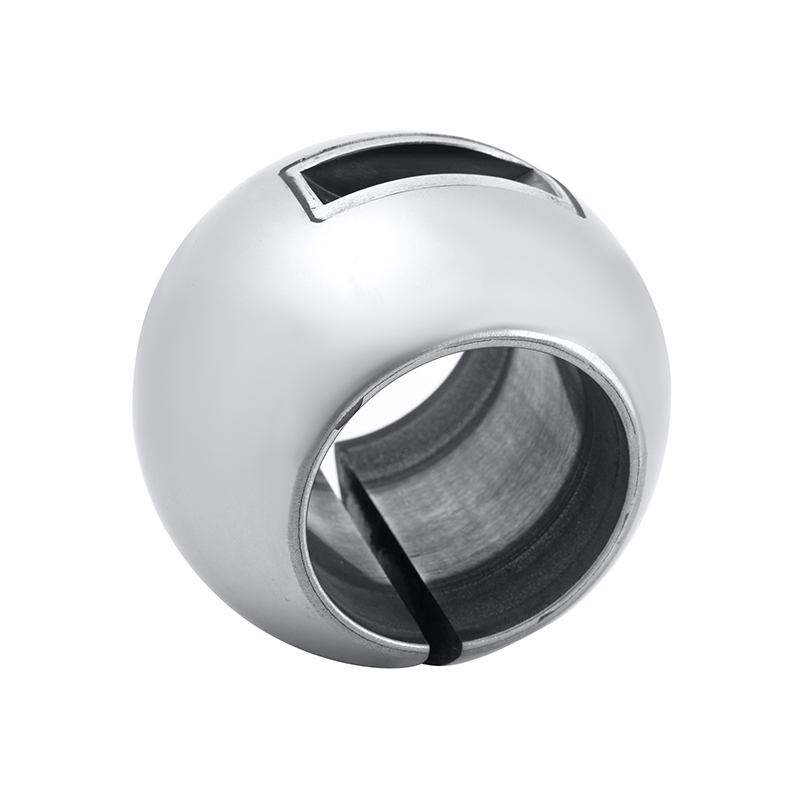
A precision-machined valve ball offers:
- Improved sealing reliability
- Reduced leakage risk
- Better wear resistance
- More stable operating performance
- Longer service intervals
At Zhejiang Boshi Valve Technology Co., precision manufacturing processes are applied throughout production to ensure consistent dimensional accuracy and surface quality for industrial applications.
Customization Is No Longer Limited to Large Projects
Years ago, customized valve components were primarily requested for large engineering projects. Today, even medium-sized manufacturers frequently require non-standard specifications.
Customers increasingly request:
Common Custom Processing Services
- Special alloy materials
- Customized ball diameters
- Special port structures
- Enhanced surface treatments
- High-pressure application designs
- Industry-specific machining tolerances
This flexibility allows valve manufacturers to optimize product performance based on actual operating conditions rather than adapting applications to standard products.
Duplex Stainless Steel Is Gaining Attention
As industries seek better corrosion resistance and mechanical strength, duplex stainless steel materials such as F51 and F53 are attracting growing interest.
These materials are commonly considered for applications involving seawater systems, offshore platforms, chemical plants, and other challenging environments. Their balance of strength and corrosion resistance makes them a popular choice for buyers seeking longer service life and reduced maintenance frequency.
Consequently, searches related to duplex stainless steel valve balls and corrosion-resistant valve components continue to increase within industrial sectors.
What Buyers Should Verify Before Ordering
Experienced procurement professionals typically evaluate more than pricing and lead times.
Key considerations often include:
- Available material grades
- Precision machining capabilities
- Quality inspection procedures
- Custom manufacturing support
- Production consistency
- Technical communication responsiveness
A supplier capable of addressing these requirements can help reduce sourcing risks while supporting long-term project success.
Choosing the Right Manufacturing Partner
As industrial equipment standards continue to evolve, component quality remains a key factor in operational reliability. Buyers increasingly seek suppliers that combine material expertise, precision manufacturing, and customization capabilities.
At Zhejiang Boshi Valve Technology Co., we manufacture valve balls using materials including 2Cr13, A105, LF2, F304, F316, F51, and F53, while supporting customized processing for diverse industrial applications. Whether serving valve manufacturers, distributors, or engineering contractors, our goal is to provide reliable solutions that perform under demanding conditions.
For companies seeking long-term operational stability, selecting an experienced Valve ball factory capable of producing precision-engineered Hard Seal Ball components can help improve equipment performance, reduce maintenance challenges, and support sustainable project success.