 English
 Español
 Deutsch

In today’s industrial landscape, efficiency, durability, and precision are no longer optional—they are expected. As industries such as oil & gas, chemical processing, and energy infrastructure continue to evolve, components like the Custom Ball Valve Ball are gaining increased attention from global buyers. Working with a reliable Valve ball factory ensures not only consistent product quality but also the flexibility to meet complex engineering requirements across diverse applications.
Industry Trends Driving Demand for High-Precision Valve Components
Recent industry developments show a clear shift toward higher-performance flow control systems. With stricter environmental regulations and increased automation, valve components must deliver tighter sealing, longer service life, and improved resistance to extreme conditions.
Additionally, the expansion of LNG projects, hydrogen energy systems, and offshore engineering has raised the bar for material performance and manufacturing accuracy. This trend is pushing buyers to prioritize precision-engineered valve balls that can operate reliably under demanding conditions.
Understanding the Role of Valve Balls in Flow Control
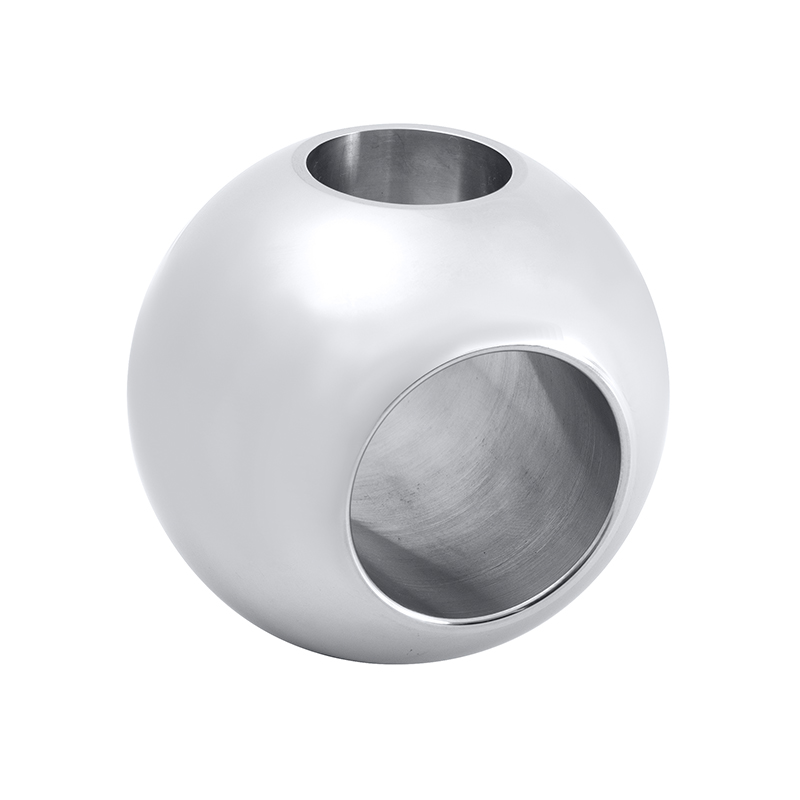
Valve balls are the core functional component of ball valves, directly affecting sealing performance and flow regulation. A well-manufactured ball ensures smooth rotation, minimal leakage, and stable operation over extended periods.
Customized solutions allow engineers to adapt valve balls to specific pressure levels, media types, and operational environments, making the Custom Ball Valve Ball an essential element in modern pipeline systems.
Material Selection and Engineering Capabilities
Material choice is critical in determining valve performance. Depending on application requirements, commonly used materials include stainless steels, duplex steels, and carbon steels.
From a manufacturing perspective, Zhejiang Boshi Valve Technology Co., Ltd, established in 2005, has developed extensive expertise in producing valve balls using materials such as 2Cr13, A105, LF2, F304, F316, F51, and F53. These materials are selected based on their strength, corrosion resistance, and adaptability to different industrial environments.
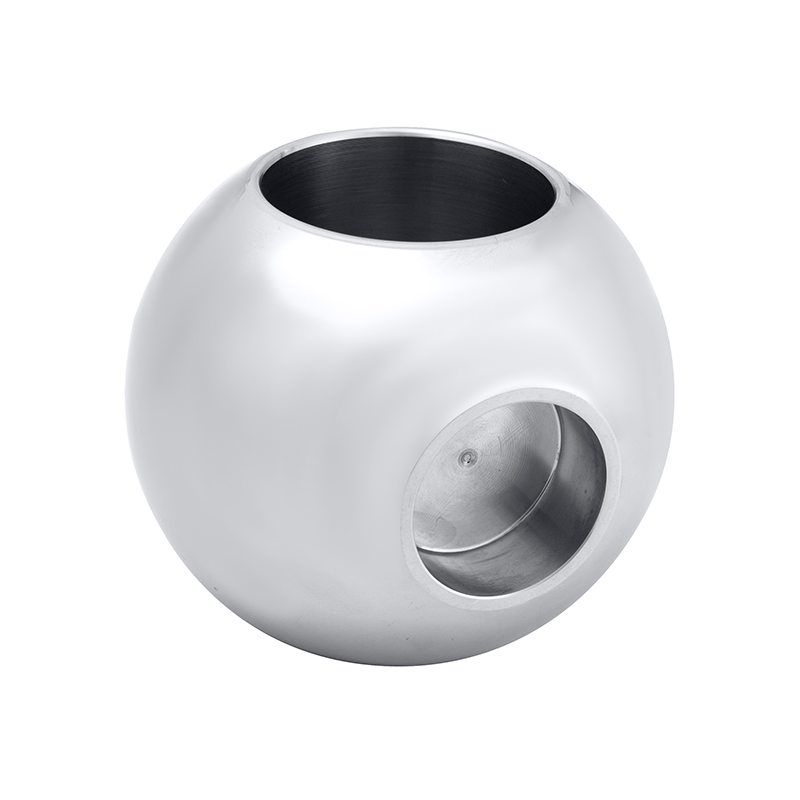
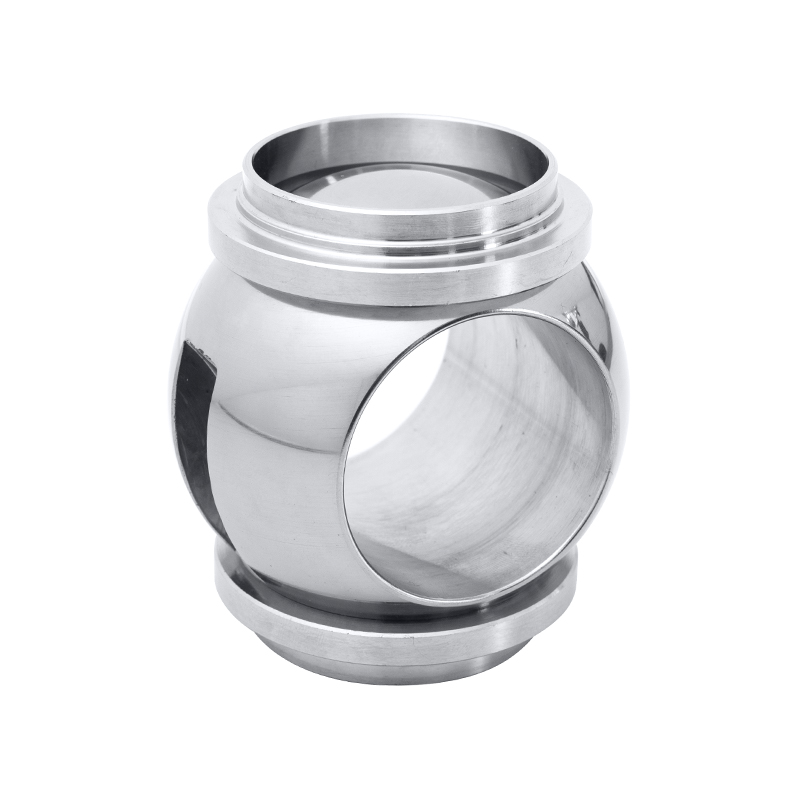
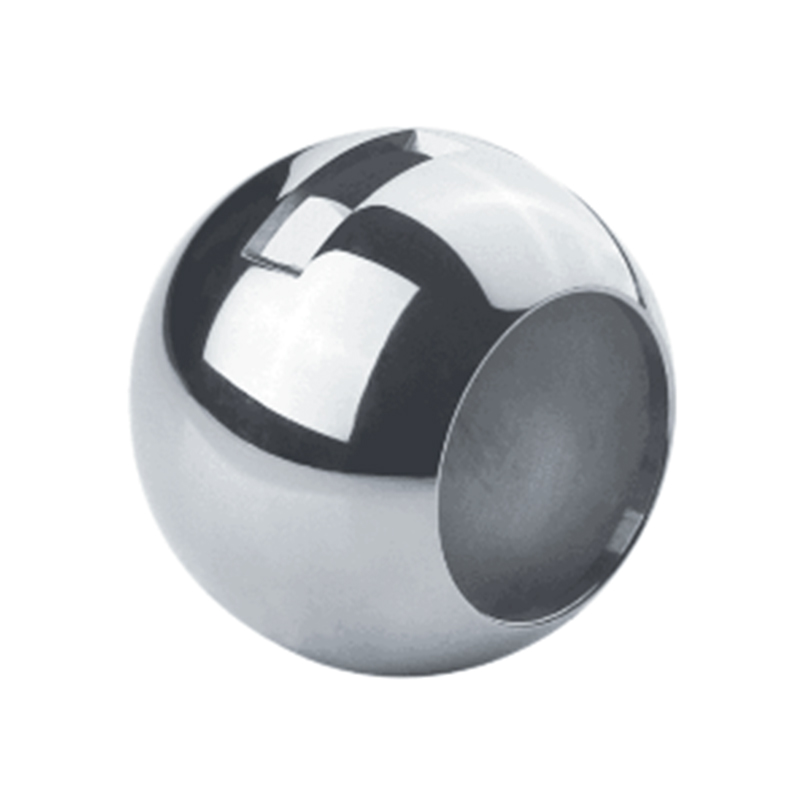
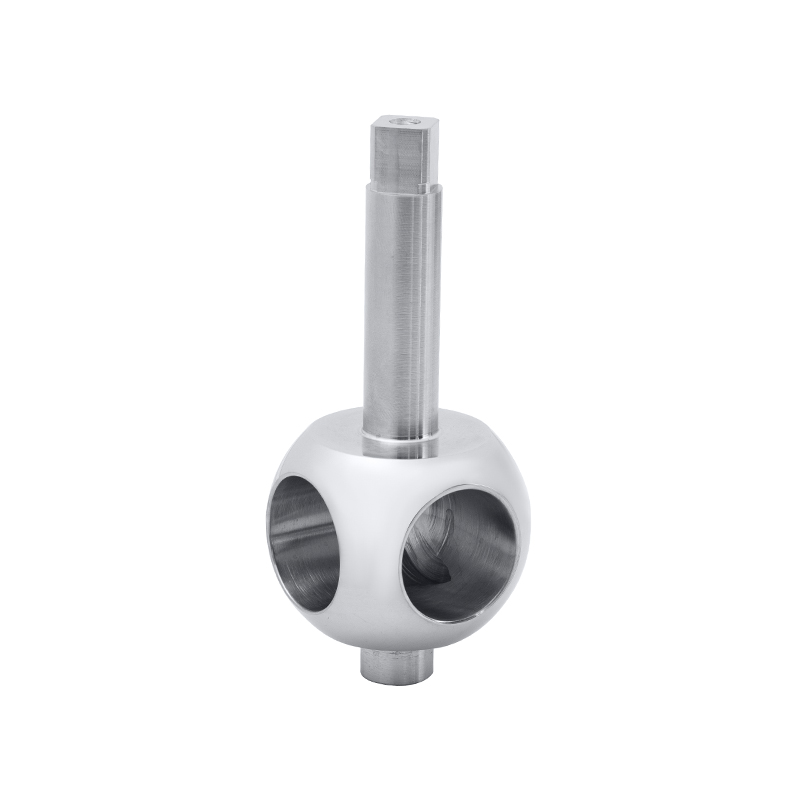
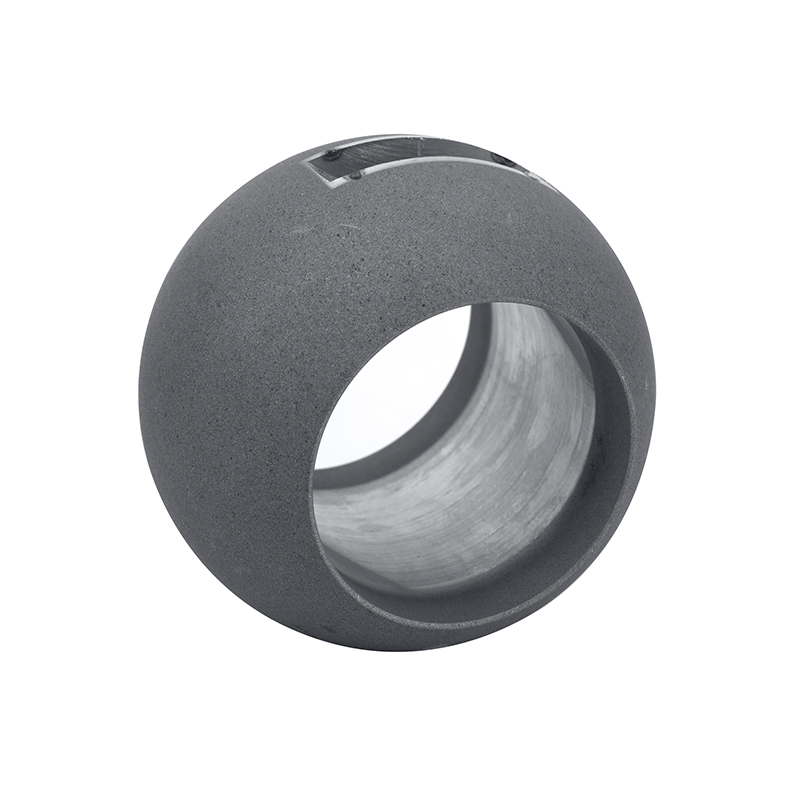
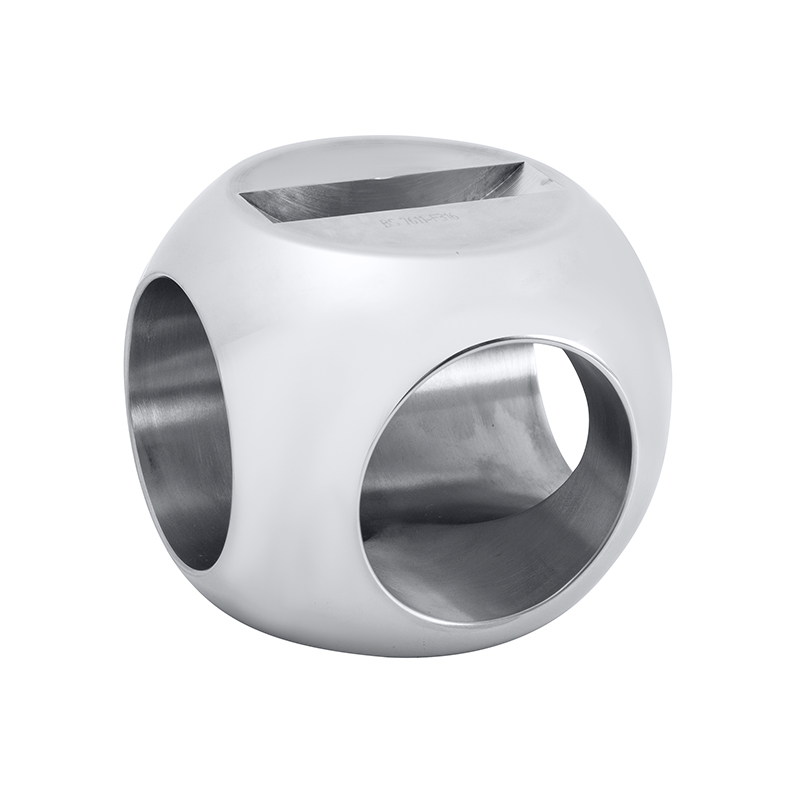
The company’s product range includes floating balls, trunnion-mounted balls, three-way and four-way balls, as well as V-port control balls, enabling solutions for both standard and specialized valve designs.
Advanced Manufacturing Processes for Consistent Quality
Precision manufacturing is essential for achieving reliable valve performance. Production typically involves multiple stages, including forging, casting, or welded construction of rough blanks, followed by machining and finishing processes.
Heat treatment processes such as annealing, quenching, and tempering are applied to enhance mechanical properties. Surface treatments—such as electroless nickel plating (ENP), tungsten carbide coating (TCC), and alloy spray coating (STL)—further improve hardness, wear resistance, and corrosion protection.
These processes ensure that each valve ball meets the stringent requirements of industrial applications.
Key Advantages for Industrial Buyers
For procurement teams and engineers, high-quality valve balls offer several practical benefits:
- Improved sealing performance and reduced leakage risk
- Extended service life under high-pressure and high-temperature conditions
- Compatibility with a wide range of media, including corrosive fluids
- Reduced maintenance frequency and operational downtime
These advantages translate into long-term cost efficiency and system reliability.
Application Scenarios Across Industries
Custom valve balls are widely used in various sectors, including:
- Oil and gas pipeline systems
- Chemical and petrochemical processing
- Power generation facilities
- Water treatment and infrastructure projects
As industrial systems become more complex, the need for tailored valve components continues to grow, reinforcing the importance of customization.
Customization Options for Project-Specific Needs
To meet diverse application requirements, manufacturers provide flexible customization services:
- Size and dimensional adjustments for specific valve designs
- Surface treatment selection based on operating conditions
- Material optimization for corrosion or temperature resistance
- Structural variations such as full bore or reduced bore designs
These options allow buyers to optimize performance according to their project specifications.
Usage and Maintenance Considerations
Proper installation and maintenance are essential to ensure optimal valve performance. Valve balls should be installed with precise alignment to avoid uneven wear.
Regular inspection of sealing surfaces and coatings helps maintain long-term reliability. Selecting the appropriate material and surface treatment at the procurement stage can significantly reduce operational risks.
Precision Components for Reliable Flow Control
As industries continue to demand higher efficiency and reliability, the importance of precision-engineered valve components becomes increasingly evident.
By combining advanced materials, refined manufacturing processes, and flexible customization, the Custom Ball Valve Ball plays a vital role in modern flow control systems. Partnering with an experienced Valve ball factory enables global buyers to secure dependable solutions that meet evolving industrial requirements.