 English
 Español
 Deutsch


In industrial valve production, a component that meets the drawing requirements during sample approval must also maintain those characteristics throughout batch manufacturing. This is particularly important for valve ball and stem assemblies, where dimensional accuracy, surface condition, and connection geometry influence how components fit into the finished valve. For overseas valve manufacturers, a supplier's machining capability can therefore be just as important as material selection and quoted price. When sourcing Valve Balls with Stems, buyers should look beyond a single approved sample and understand how the manufacturer controls precision, inspection, and production consistency.
Precision Machining Starts With Drawing Review
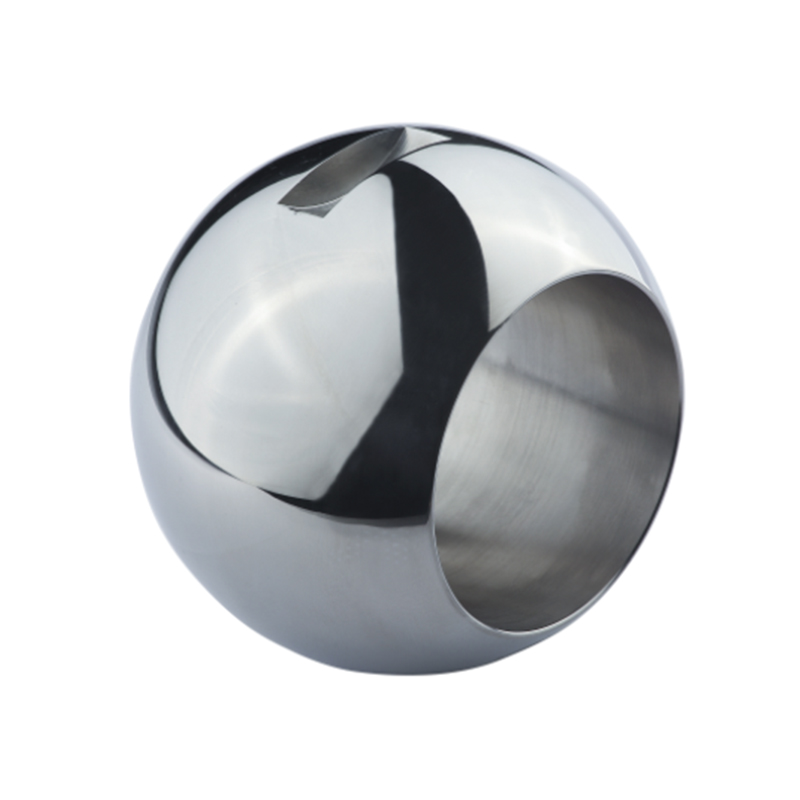
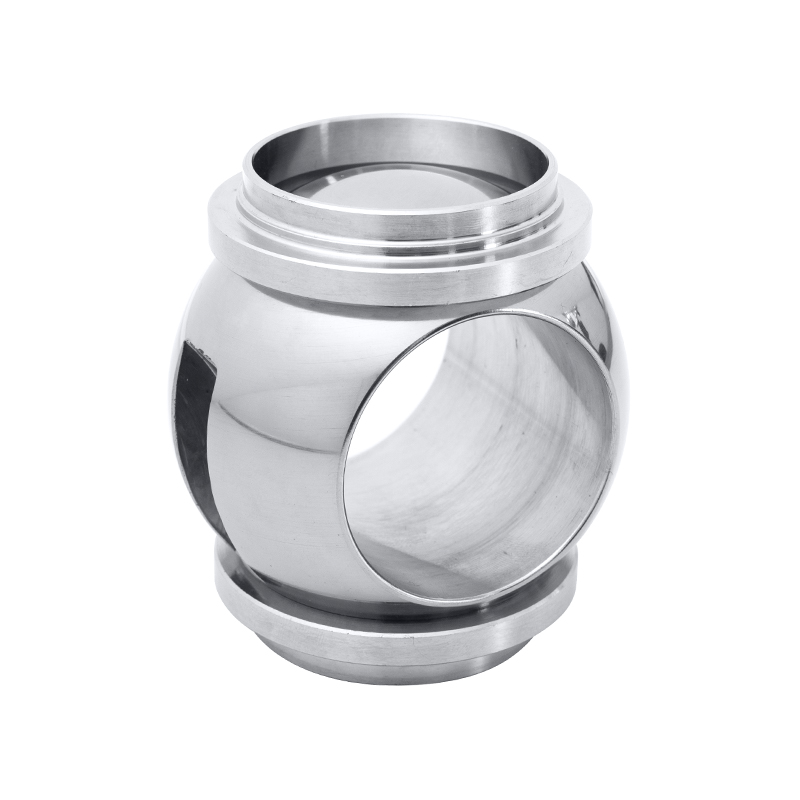
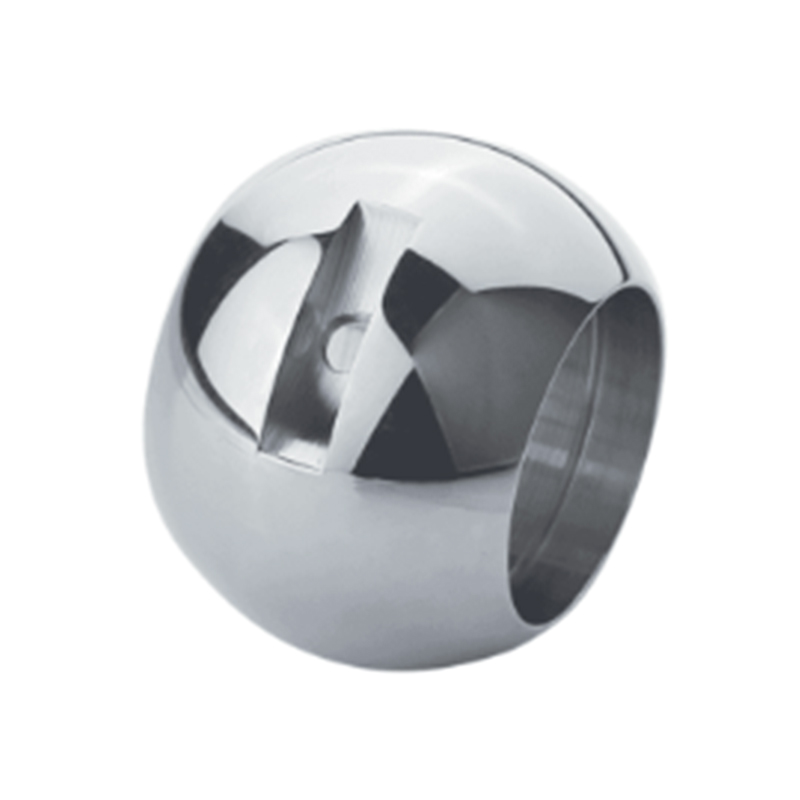
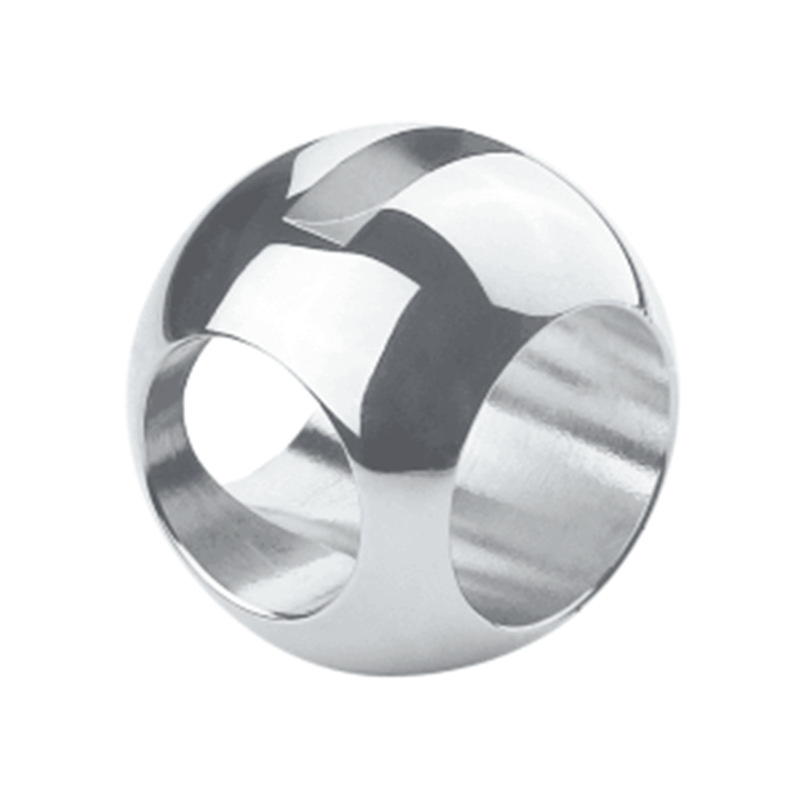
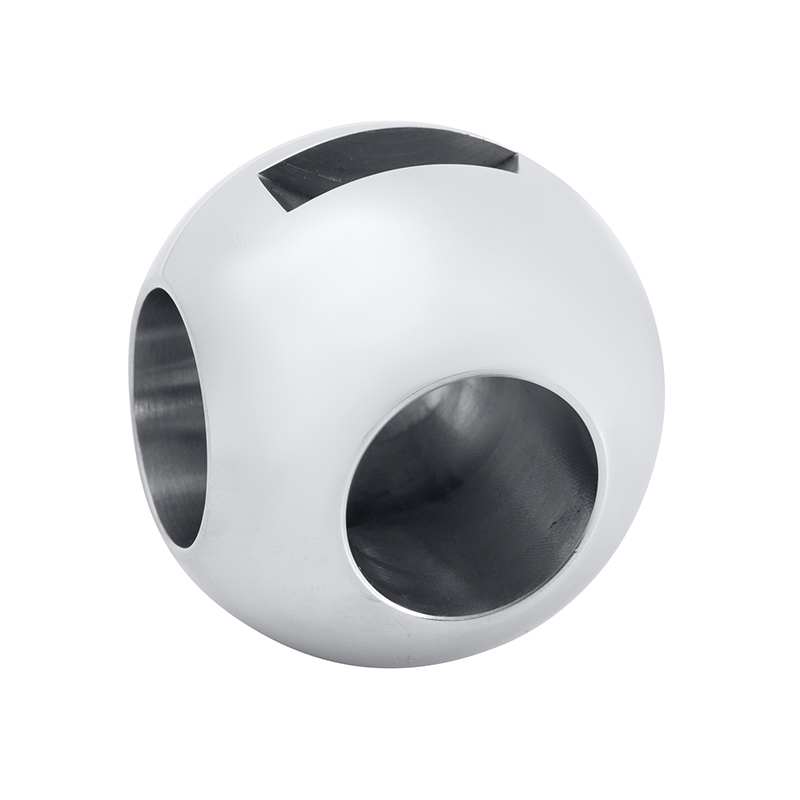
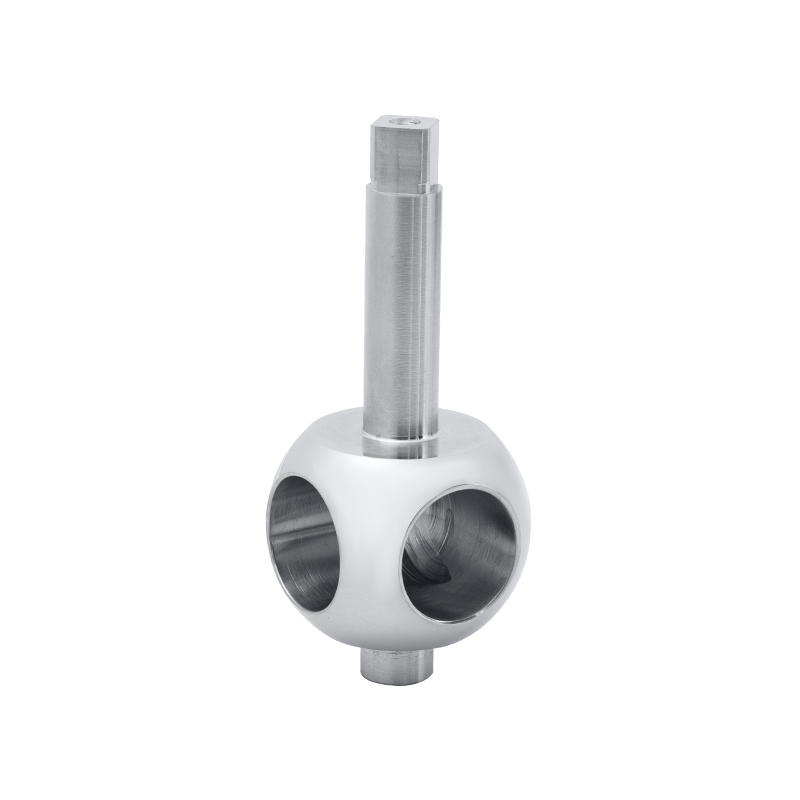
Before machining begins, manufacturers need to understand the functional requirements of each component. A valve ball may include connection features, internal openings, and precision-machined surfaces, while the stem requires dimensions and geometry that correspond with the valve's operating structure.
Incomplete drawings or unclear tolerances can create problems during production. For example, a nominal dimension alone may not explain the required fit between the ball and stem. Buyers should provide complete technical drawings and identify critical dimensions that directly affect assembly.
A detailed drawing review also gives manufacturers an opportunity to identify potential machining difficulties before raw materials are processed. This is particularly useful for customized components and orders involving several valve models.
Surface Finish Should Match the Functional Area
The surface condition of a valve ball is not simply an appearance issue. Depending on the valve design, selected surfaces may need specific finishing requirements to support sealing contact and smooth operation.
Precision grinding and polishing are commonly considered in valve ball manufacturing, while other finishing processes may be required for particular materials or applications. The appropriate method depends on the design, material, and specified surface requirements.
Buyers should clarify which areas require special finishing rather than applying one general requirement to the entire component. This helps manufacturers allocate the correct machining and inspection procedures to functional surfaces.
Connection Geometry Requires Consistent Control
The ball-to-stem connection is one of the areas where machining variation can become especially noticeable during assembly. Differences in engagement dimensions, alignment, or connection geometry may lead to fitting difficulties or unwanted movement.
For batch orders, manufacturers should pay attention to the repeatability of these features. Inspection plans can be developed around the dimensions that determine connection compatibility, with suitable measuring equipment selected according to the drawing requirements.
For procurement teams, discussing these critical features before production helps establish clearer acceptance criteria and reduces the risk of disagreements during incoming inspection.
Why Batch Consistency Matters More Than a Single Sample
A sample provides an opportunity to review design feasibility and initial product quality. However, it represents only one production result. When an order involves multiple batches or repeat purchases, buyers also need confidence that the approved specifications can be maintained.
A structured manufacturing process should connect each production stage, including:
- Incoming material verification
- Machining parameter and process control
- Inspection of critical dimensions
- Surface finishing checks
- Final inspection before shipment
The inspection frequency and acceptance criteria should be agreed according to the product specification and customer requirements. Clear records also make it easier to investigate deviations when they occur.
Material and Machining Processes Must Work Together
Different materials respond differently to machining and finishing processes. Stainless steel, duplex materials, and nickel-based alloys may require different manufacturing considerations depending on their composition and the component geometry.
A machining process that works well for one material should not automatically be applied to another without evaluation. Tool selection, processing sequence, surface treatment, and dimensional inspection all need to reflect the specified material.
This is why buyers should communicate material grades and relevant technical requirements early. A manufacturer with experience in different valve component materials can assess production requirements more accurately before confirming an order.
Evaluate Supplier Capability Beyond the Quotation
When comparing manufacturers, buyers often focus on unit price and delivery time. These factors matter, but they do not fully explain whether a supplier can consistently produce customized valve components.
A more complete supplier evaluation can include:
- Experience with similar valve ball and stem structures
- Ability to interpret and review technical drawings
- Machining and surface finishing capabilities
- Inspection equipment and quality procedures
- Material documentation and traceability arrangements
- Communication during sample approval and production
Asking these questions helps procurement teams understand how a supplier manages the complete manufacturing process rather than judging capability from a quotation alone.
Build a More Reliable Supply Relationship
Consistent valve component quality depends on clear specifications, suitable machining methods, and effective inspection at every relevant stage. As a manufacturer, Zhejiang Boshi Valve Technology Co., Ltd. recognizes that overseas customers need more than components that match a sample; they need production processes that can follow approved technical requirements across repeat orders. When choosing a Valve Ball Factory, buyers should evaluate how the supplier manages dimensional control, surface finishing, and batch inspection. A well-controlled manufacturing process for Valve Balls with Stems can help valve producers improve assembly consistency and manage component quality throughout their supply chain.