 English
 Español
 Deutsch

In industries where downtime translates directly into cost, reliability at the component level has become a top concern. For procurement teams sourcing Ball Valve Accessories, the conversation is shifting toward durability under real-world conditions—thermal cycling, pressure fluctuation, and aggressive media exposure. Buyers today are not just comparing prices; they are evaluating how well each component contributes to system stability, maintenance intervals, and long-term operational efficiency.
Rethinking Component Design for Modern Flow Systems
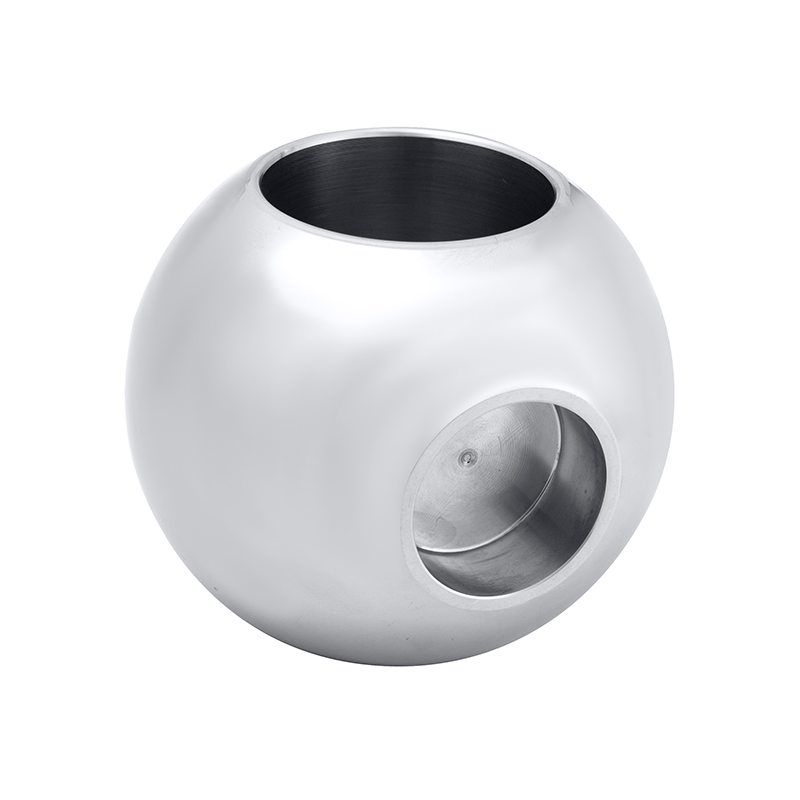
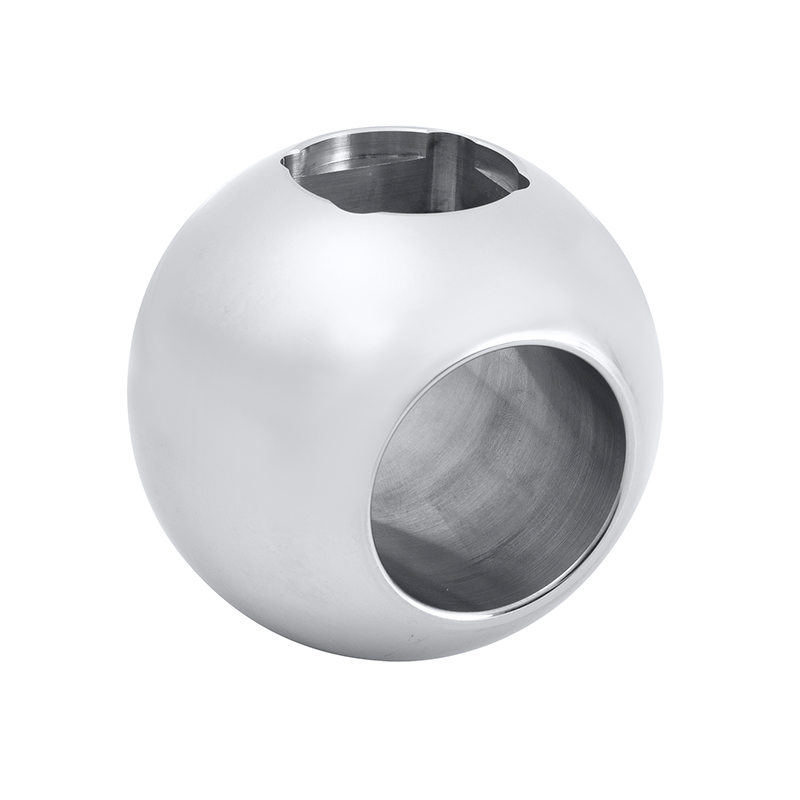
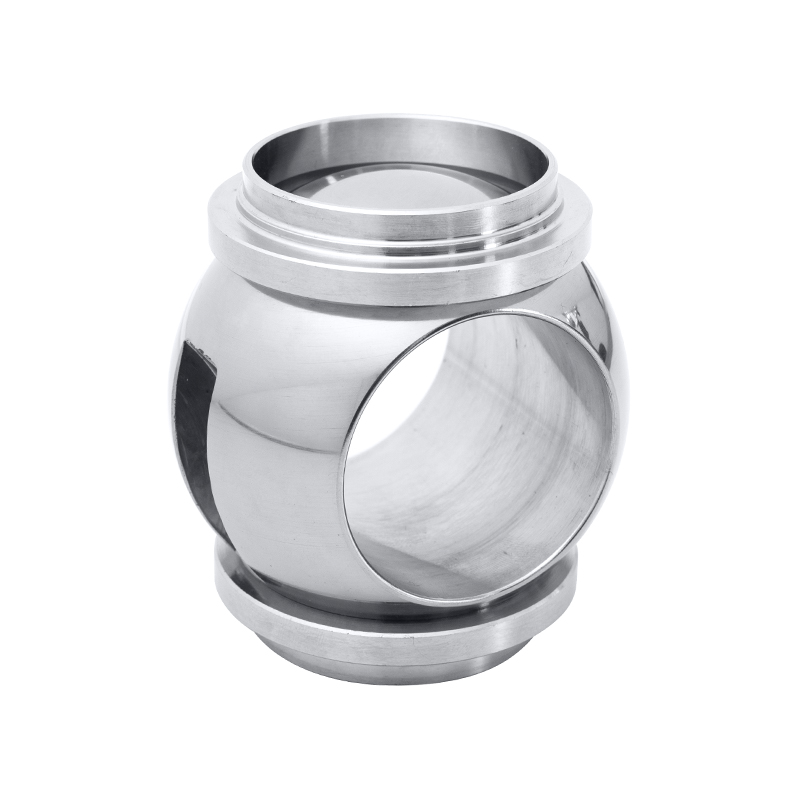
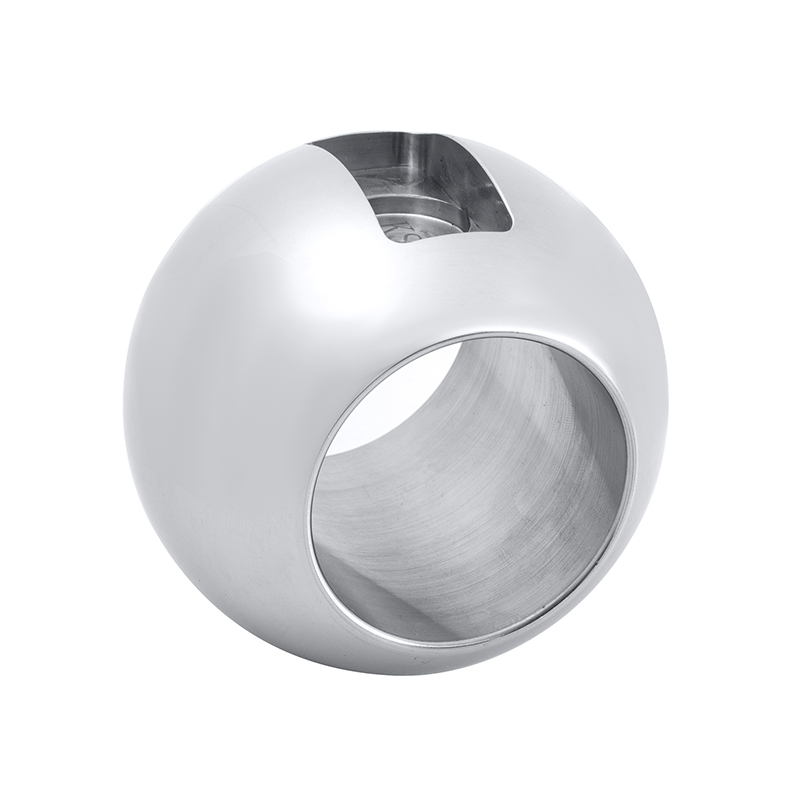
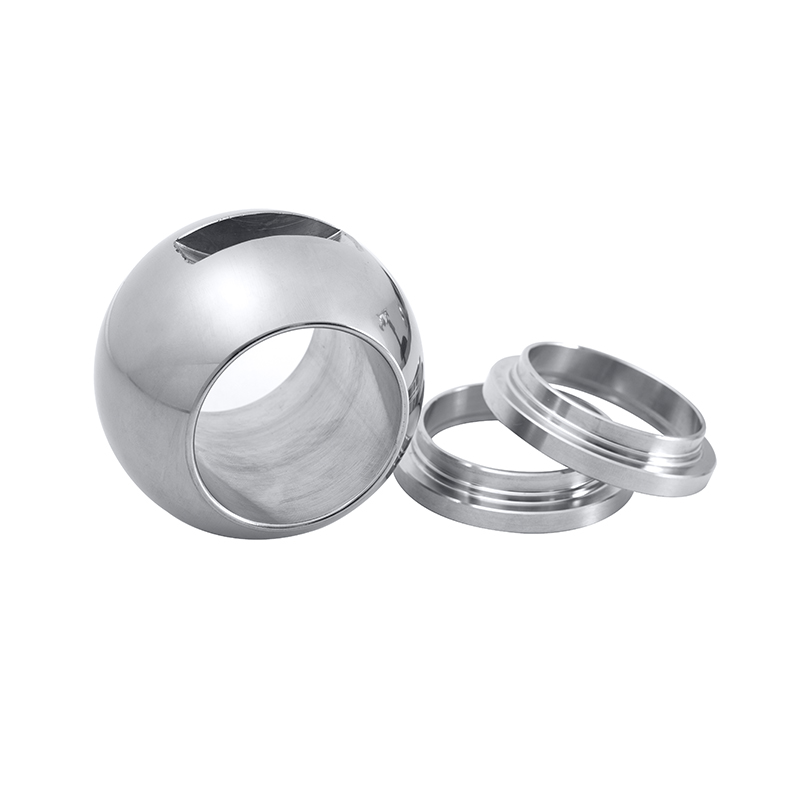
Ball valve accessories have evolved alongside increasingly complex industrial requirements. Components such as valve balls, stems, seats, and sealing elements must now perform consistently under variable loads and demanding environments.
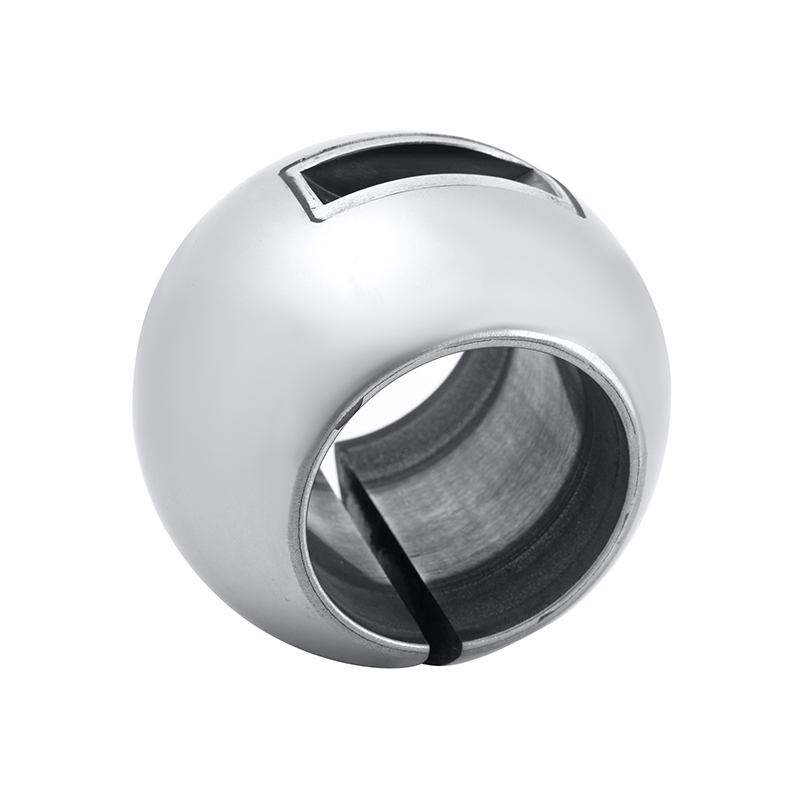
Design improvements focus on tighter tolerances, optimized flow paths, and reduced friction between moving parts. For example, precision-polished valve balls can improve sealing performance while lowering torque requirements during operation. This becomes particularly valuable in automated systems where actuator efficiency directly impacts energy consumption.
Application Trends Driven by Infrastructure and Energy Projects
Recent global infrastructure upgrades and energy transition projects are influencing how ball valve components are specified. In sectors such as LNG processing, renewable energy systems, and urban water networks, valves are expected to operate continuously with minimal intervention.
In these scenarios, accessory quality becomes critical. Poorly matched materials or inconsistent machining can lead to leakage, pressure loss, or even system shutdowns. As a result, engineers are prioritizing suppliers who understand application-specific challenges rather than offering generic solutions.
Material Engineering: Matching Performance to Environment
Material innovation is playing a central role in improving valve performance. Instead of relying on a single standard material, modern manufacturing emphasizes application-driven selection.
For instance, stainless steel with enhanced corrosion resistance is often used in marine or chemical environments, while hardened alloy steels may be chosen for high-pressure systems. In sealing applications, PTFE and reinforced polymers are widely used due to their chemical stability and low friction characteristics.
This tailored approach ensures that each component performs reliably within its intended operating conditions, reducing the likelihood of premature wear.
Key Advantages of Integrated Manufacturing
From a manufacturer’s perspective, integrating machining, finishing, and inspection processes provides better control over final product quality. This approach allows for:
- Consistent dimensional accuracy across production batches
- Improved surface treatment for extended service life
- Faster turnaround for customized specifications
- Enhanced traceability throughout the production cycle
Such advantages are particularly relevant for buyers managing large-scale or repeat procurement projects, where consistency is just as important as initial performance.
Critical Technical Considerations for Buyers
When evaluating suppliers, experienced buyers often look beyond basic specifications. Important factors include:
- Surface hardness and coating quality for wear resistance
- Tolerance control to ensure proper sealing alignment
- Compatibility with sealing materials under varying temperatures
- Resistance to scaling or chemical buildup
- Operational torque requirements in automated systems
Attention to these details can significantly reduce maintenance frequency and extend overall system lifespan.
Installation and Operational Best Practices
Even high-quality components require proper handling to deliver expected performance. During installation, ensuring clean assembly conditions and correct alignment is essential. Contaminants or improper fitting can compromise sealing surfaces.
In operation, avoiding sudden pressure spikes and ensuring periodic inspection can help maintain consistent performance. For automated systems, calibrating actuators to match valve specifications also reduces unnecessary mechanical stress.
Building Long-Term Value with a Reliable Supplier
As procurement strategies become more data-driven, buyers are placing greater emphasis on supplier capability rather than short-term cost savings. A specialized Valve ball factory offers not only production capacity but also technical insight into component design, material selection, and application performance.
For companies aiming to improve system reliability while controlling lifecycle costs, working with a knowledgeable manufacturing partner ensures that every detail—from raw material to finished component—supports long-term operational success.