 English
 Español
 Deutsch

In today’s industrial landscape, performance stability and lifecycle cost are under constant scrutiny. For global buyers sourcing Ball Valve Accessories, the focus is no longer just on availability—it’s about precision machining, material compatibility, and long-term reliability. From oil & gas to water treatment systems, choosing the right components supplier directly affects operational safety and efficiency, making component-level quality a strategic priority.
Understanding Ball Valve Accessories: More Than Supporting Parts
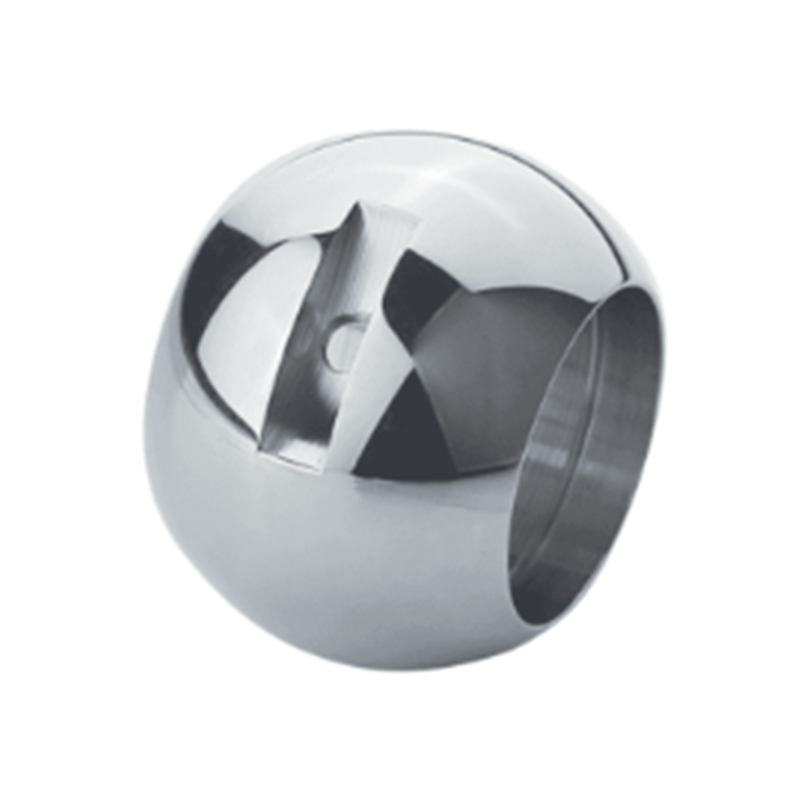
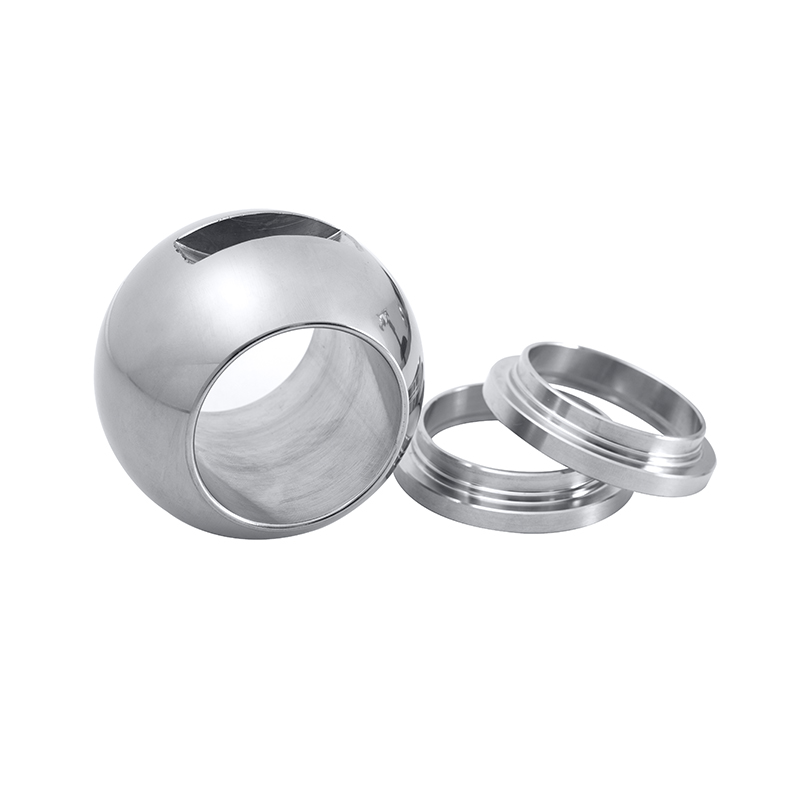
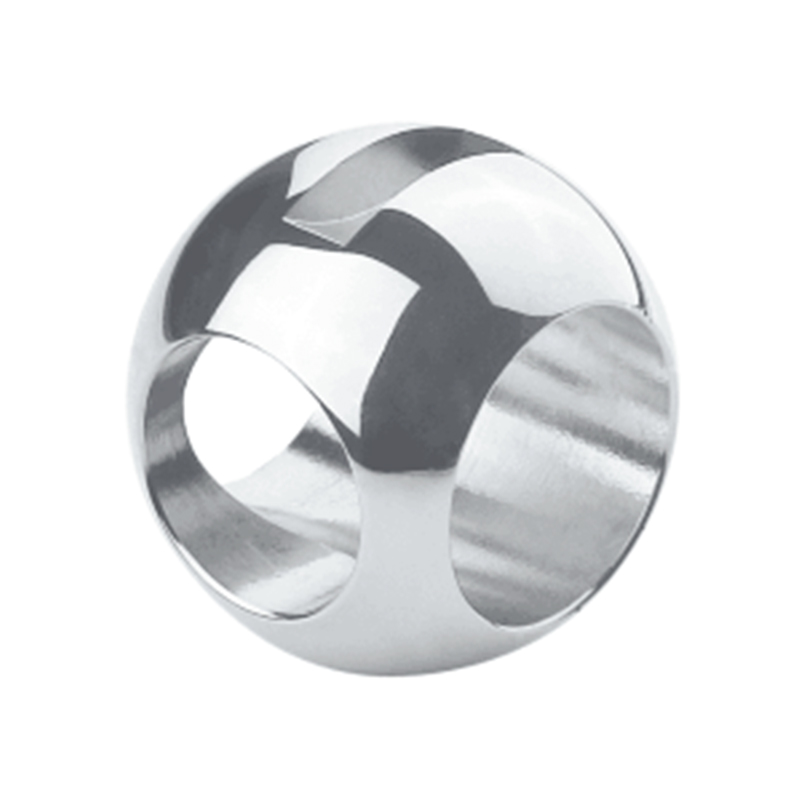
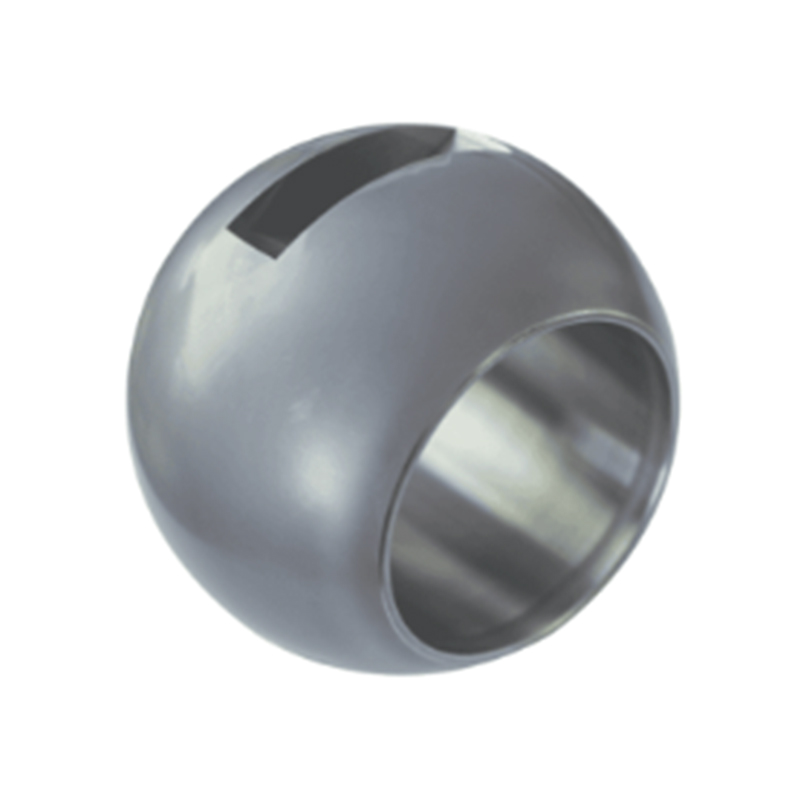
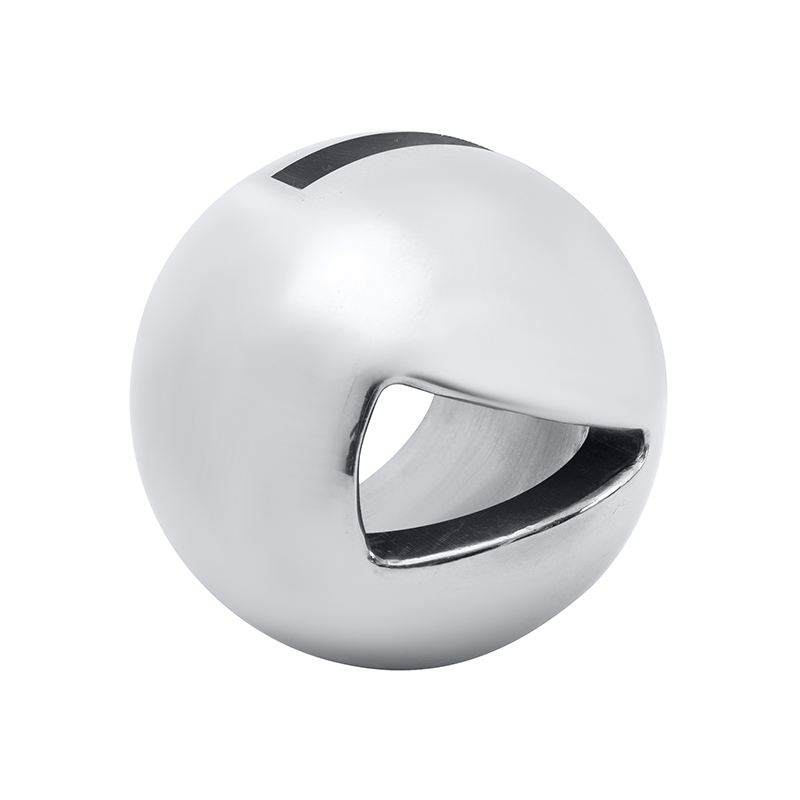
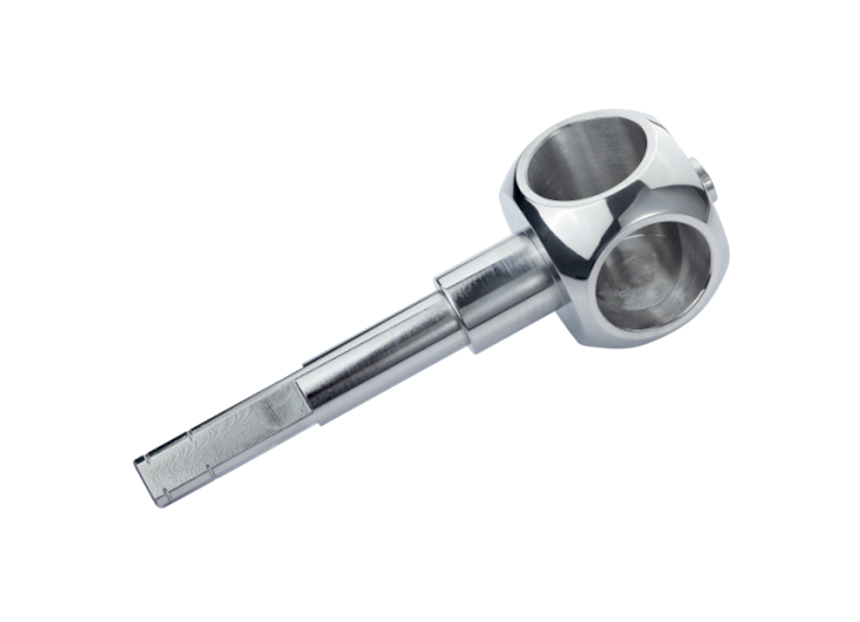
Ball valve accessories include critical components such as valve balls, stems, seats, seals, and actuators—each playing a specific role in fluid control. A ball valve operates through a quarter-turn mechanism, where a precision-engineered ball regulates flow by opening or blocking the passage .
While often considered secondary to the valve body, these accessories are essential to sealing performance, torque control, and durability. In high-demand environments, even minor deviations in roundness or surface finish can influence leakage rates and system pressure stability.
Where These Components Are Used: Expanding Industrial Applications
Ball valve accessories are widely applied across multiple industries:
- Oil & gas pipelines
- Chemical processing plants
- Water and wastewater treatment systems
- Power generation facilities
- HVAC and building infrastructure
Their adaptability comes from the simple yet effective structure of ball valves, which can handle liquids, gases, and even abrasive media under varying pressure and temperature conditions .
As infrastructure upgrades accelerate globally, demand is rising for components that meet both international standards and project-specific requirements.
Material Selection: The Foundation of Performance
Material choice remains one of the most critical decisions in component manufacturing. Common materials include:
Stainless Steel (304/316): Known for corrosion resistance and strength
Carbon Steel: Suitable for high-pressure applications
Brass & Bronze: Cost-effective for general use
Engineering Plastics (PTFE, PVC): Ideal for chemical resistance
Each material is selected based on fluid type, temperature range, and pressure conditions . For example, stainless steel balls are often preferred in corrosive environments due to their durability and stable surface finish.
Precision Manufacturing Advantages from a Supplier Perspective
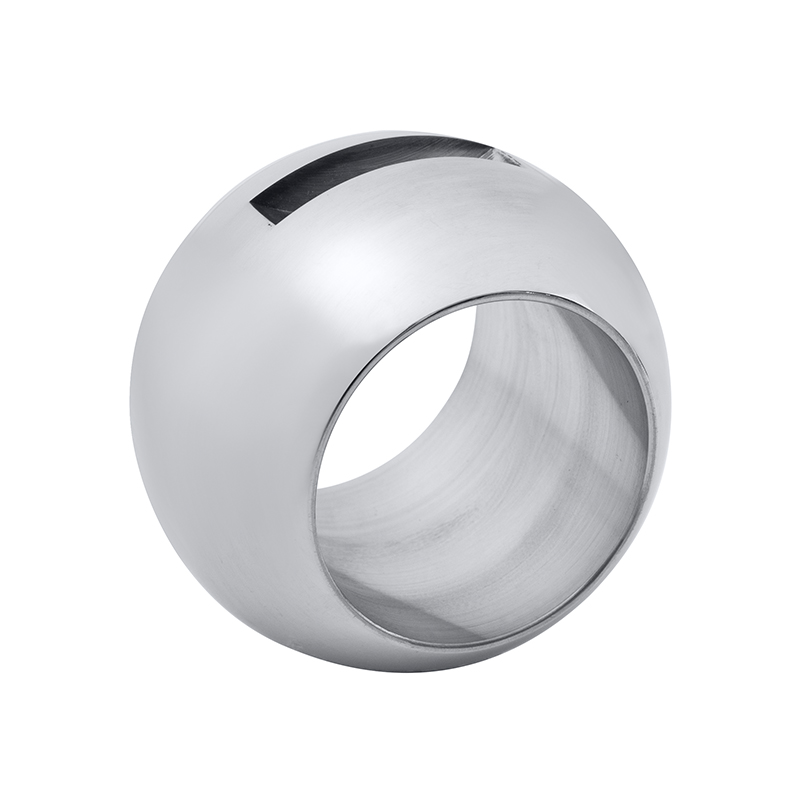
From a manufacturing standpoint, consistency is achieved through controlled machining processes and strict inspection standards. Precision grinding and polishing ensure that valve balls maintain accurate sphericity, which directly affects sealing performance.
Key advantages include:
Tight dimensional tolerances for improved sealing
Smooth surface finishes to reduce friction and wear
Custom machining for OEM and project-specific needs
Scalable production for both small and large orders
These factors are particularly important for buyers sourcing custom ball valve components for specialized systems.
Technical Parameters Buyers Should Evaluate
When sourcing ball valve accessories, experienced engineers often assess:
- Ball roundness and surface roughness
- Seat material compatibility (e.g., PTFE, EPDM)
- Pressure and temperature ratings
- Connection standards and tolerances
- Coating or plating requirements (e.g., chrome plating)
These parameters influence not only performance but also maintenance frequency and replacement cycles.
Usage and Maintenance Considerations
Proper installation and maintenance significantly extend the service life of valve components. It is recommended to:
- Avoid forcing valve operation under abnormal pressure conditions
- Ensure compatibility between sealing materials and media
- Conduct regular inspection for wear or corrosion
- Use appropriate lubrication where required
Additionally, improper handling or mismatched materials can lead to premature wear or sealing failure, especially in high-cycle applications.
Why Partnering with a Specialized Manufacturer Matters
As sourcing strategies evolve, buyers are increasingly turning to specialized manufacturers rather than general suppliers. A dedicated Valve ball factory brings deeper expertise in machining accuracy, material science, and quality control.
By offering customized solutions, stable production capacity, and consistent quality assurance, such manufacturers help buyers reduce risk across the supply chain. For companies aiming to improve system reliability and optimize long-term costs, selecting the right manufacturing partner is no longer optional—it’s a critical step toward sustainable performance in modern industrial systems.