 English
 Español
 Deutsch

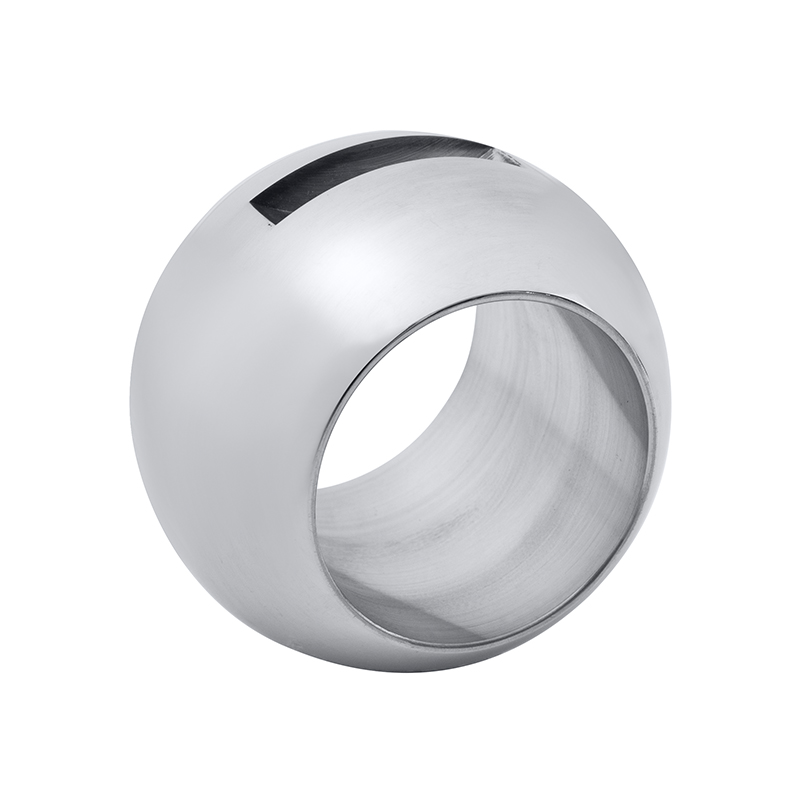
As global industries demand safer, cleaner, and more efficient flow control systems, the role of the Valve ball factory is being reexamined by engineers, buyers, and system designers worldwide. Across overseas social media platforms, technical forums, and procurement discussions, one message is increasingly clear: performance issues in ball valves often trace back to the quality of the valve ball itself. What was once considered a standard component is now viewed as a strategic element in ensuring long-term operational stability.
A Changing Global Perspective on Valve Components
In the past, many international buyers focused primarily on valve bodies, certifications, and pricing. Today, however, conversations have shifted toward internal components and manufacturing transparency. Engineers are sharing case studies online where premature leakage, torque instability, or seat damage resulted from inconsistent valve ball quality.
This shift reflects a broader trend in industrial procurement: buyers want to understand how components are made, not just what materials are listed on a datasheet. As a result, specialized valve ball manufacturers are gaining increased visibility and trust in global markets.
Why the Valve Ball Has Become a Critical Decision Point
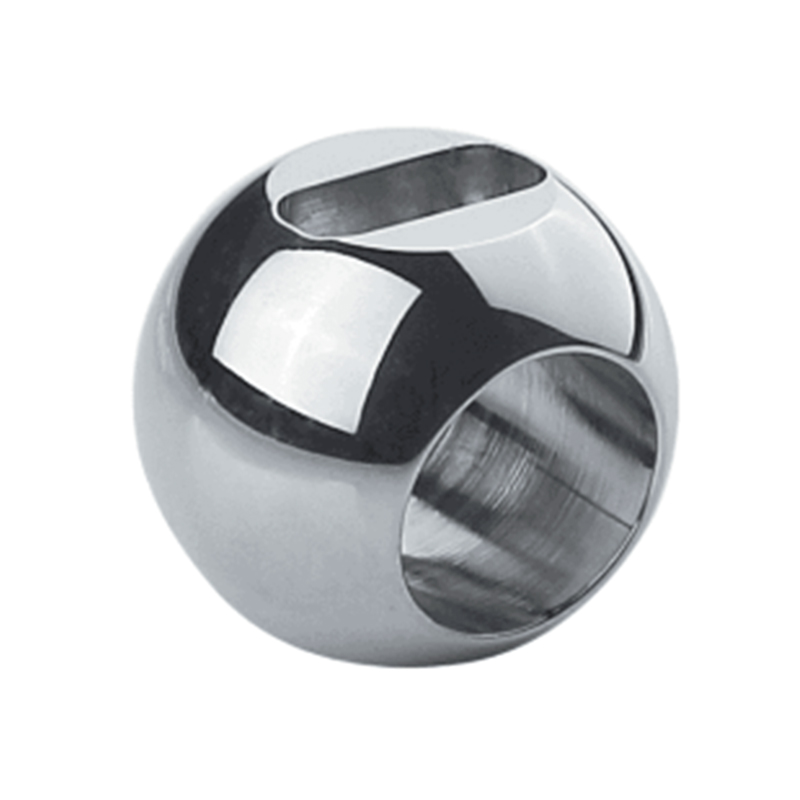
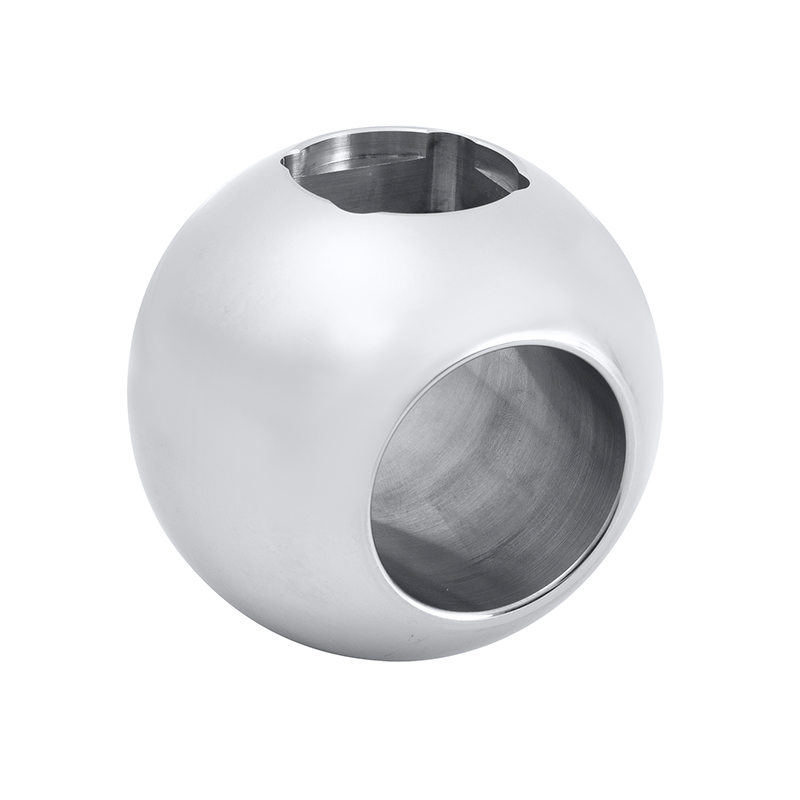
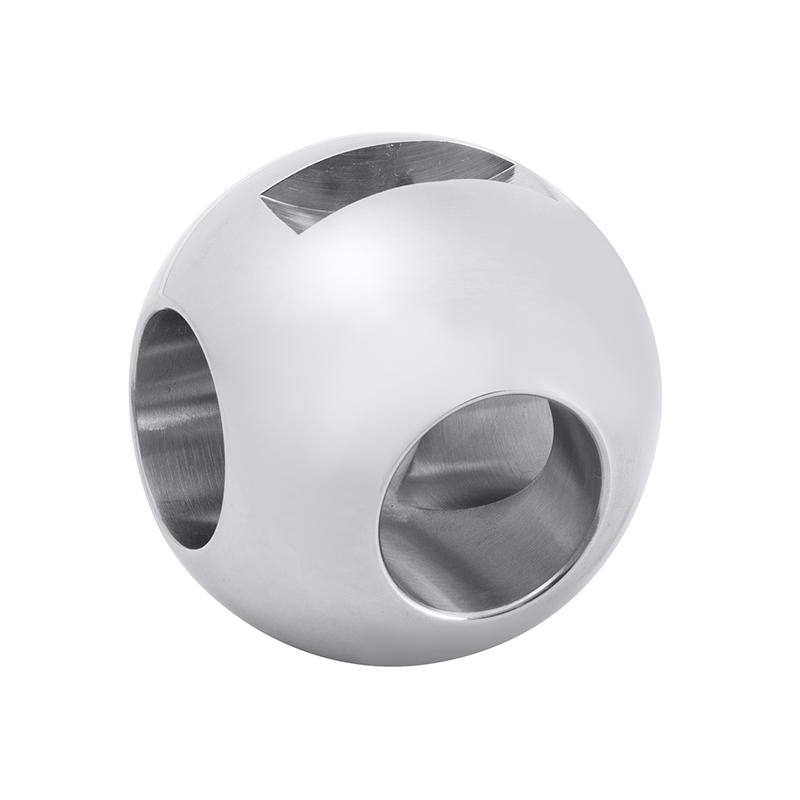
From a manufacturer’s standpoint, the valve ball plays a central role in regulating flow, sealing pressure, and maintaining system safety. Even minor deviations in roundness, surface roughness, or material density can affect valve performance.
Modern industrial systems operate under increasingly complex conditions, including:
Higher pressures and temperatures
Aggressive or corrosive media
Automated and high-frequency operation
These realities have made precision manufacturing not optional, but essential.
Manufacturing Expertise Starts with Process Control
A professional valve ball factory is defined not only by its machinery, but by how processes are controlled and refined. Manufacturing expertise comes from understanding how each production step affects the final application.
Key process elements include:
Controlled machining parameters to ensure uniform geometry
Consistent polishing techniques for predictable surface quality
Inspection standards aligned with international expectations
Rather than relying on generic workflows, specialized factories continuously adjust processes based on real-world feedback from overseas customers.
Material Engineering: Matching Performance to Application
Material selection is one of the most discussed topics among international valve professionals. Different industries impose different stresses on valve components, and no single material fits all conditions.
From our manufacturing experience, commonly requested materials include:
| Material Type | Typical Applications | Key Characteristics |
| Stainless Steel | Water, food processing | chemicalsCorrosion resistance |
| Carbon Steel | General industrial pipelines | Cost efficiency, strength |
| Alloy Steel | High-pressure, high-temperature systems | Enhanced durability |
By aligning material properties with operating environments, manufacturers help reduce long-term risk and maintenance frequency.
Surface Precision and Its Impact on Sealing Reliability
One recurring theme in overseas technical discussions is sealing performance over time. While valve seats receive much attention, the valve ball’s surface finish is equally influential.
A controlled surface finish contributes to:
- Stable contact with valve seats
- Reduced operational torque
- Lower wear rates during repeated cycles
Advanced polishing methods allow manufacturers to achieve consistent results that support long service life, even in demanding applications.
The Role of Customization in Modern Valve Design
Standardization has its place, but many international projects require tailored solutions. From OEM valve producers to system integrators, customization is becoming a common request rather than an exception.
Customization options may involve:
- Non-standard diameters or bore sizes
- Special coatings for chemical resistance
- Modified tolerances for unique valve structures
A valve ball factory with in-house engineering capability can respond more effectively to these needs, supporting innovation rather than limiting it.
Application Scenarios Driving Demand Worldwide
The demand for precision valve balls is closely tied to the expansion of key industries. Based on global inquiries and project feedback, major application areas include:
- Oil and gas transmission networks
- Water distribution and desalination plants
- Chemical and pharmaceutical processing
- Power generation facilities
- Industrial automation systems
In each scenario, valve reliability directly influences safety, efficiency, and operating cost.
Quality Control Beyond Final Inspection
International buyers increasingly look beyond final inspection reports. They want insight into how quality is maintained throughout production.
From a manufacturer’s perspective, quality control is an ongoing process rather than a final checkpoint. This typically includes:
- In-process dimensional verification
- Surface roughness monitoring
- Batch-level consistency checks
Such practices help ensure that every valve ball delivered performs predictably, regardless of order size or destination.
Responding to Overseas Market Expectations
Global buyers often share their expectations openly across professional platforms. These expectations shape how manufacturers position themselves internationally.
Common expectations include:
- Transparent production processes
- Stable quality across long-term cooperation
- Technical communication support
- Reliable lead times
Factories that actively respond to these concerns tend to build stronger, longer-lasting partnerships.
Sustainability Considerations in Valve Ball Production
While valve balls are industrial components, sustainability is becoming an important factor even at this level. International customers increasingly value responsible manufacturing practices.
Efficient material utilization, optimized machining cycles, and reduced waste all contribute to a more sustainable production model. These practices not only align with global environmental trends but also improve overall production efficiency.
Manufacturing Authority Through Specialization
From our position as a dedicated manufacturer, specialization is the foundation of authority. Focusing exclusively on valve balls allows deeper process optimization, tighter tolerances, and more responsive customization support.
Rather than offering a broad but shallow product range, specialized factories invest in mastering one critical component—delivering consistent results that overseas customers can rely on.
The Future Direction of Valve Ball Manufacturing
As industrial systems become smarter and more automated, component expectations will continue to rise. Valve balls will be required to perform reliably in digitally monitored systems where even minor deviations are quickly detected.
This future points toward:
- Higher precision standards
- Greater collaboration between manufacturers and designers
- Continued focus on material and surface innovation
Manufacturers who adapt early will remain competitive in international markets.
Precision Manufacturing Shapes Flow Control Confidence
Behind every reliable ball valve is a carefully engineered valve ball produced under controlled conditions. A trusted Ball Valve Ball is the result of manufacturing expertise, material understanding, and continuous quality discipline. As global industries prioritize long-term performance over short-term savings, collaboration with an experienced valve ball factory becomes a strategic choice—one that supports safety, efficiency, and confidence across diverse flow control applications.