 English
 Español
 Deutsch

As global industries continue to modernize, attention is shifting from complete valve assemblies to the performance of their internal components. Engineers, maintenance teams, and procurement managers are actively discussing reliability, lifecycle stability, and sealing performance across overseas industrial communities. As a professional Valve ball factory, we see this trend reflected in buyer inquiries that go deeper into materials, machining processes, and quality control. Valve balls are no longer viewed as standard parts; they are increasingly recognized as critical elements that directly influence system safety and operational efficiency.
Growing Awareness of Component-Level Reliability
In many industrial systems, valve failure is often traced back to internal components rather than external structures. This has led global buyers to re-evaluate how valve balls are manufactured and inspected. Online discussions among engineers frequently emphasize that consistent sealing and smooth rotation depend heavily on surface finish and dimensional precision.
From a manufacturing standpoint, this means valve balls must be produced under controlled conditions, with attention paid to roundness, surface integrity, and material stability. Buyers are now prioritizing factories that specialize in valve balls rather than general-purpose machining suppliers.
Precision Machining as the Foundation of Performance
Valve balls operate in direct contact with seats under pressure, making precision machining essential for long-term performance. Even small surface irregularities can affect sealing behavior, leading to leakage or uneven wear over time.
As a manufacturer, we focus on refining machining workflows to achieve stable and repeatable results. Controlled processing not only improves sealing contact but also helps ensure that valve balls perform consistently across different valve designs and operating conditions. This level of precision is increasingly discussed as a key requirement in international sourcing decisions.
Hard Seal Solutions for Demanding Applications
Industrial environments are becoming more challenging, with higher temperatures, abrasive media, and frequent operational cycles. In such conditions, traditional soft sealing solutions may struggle to maintain stability.
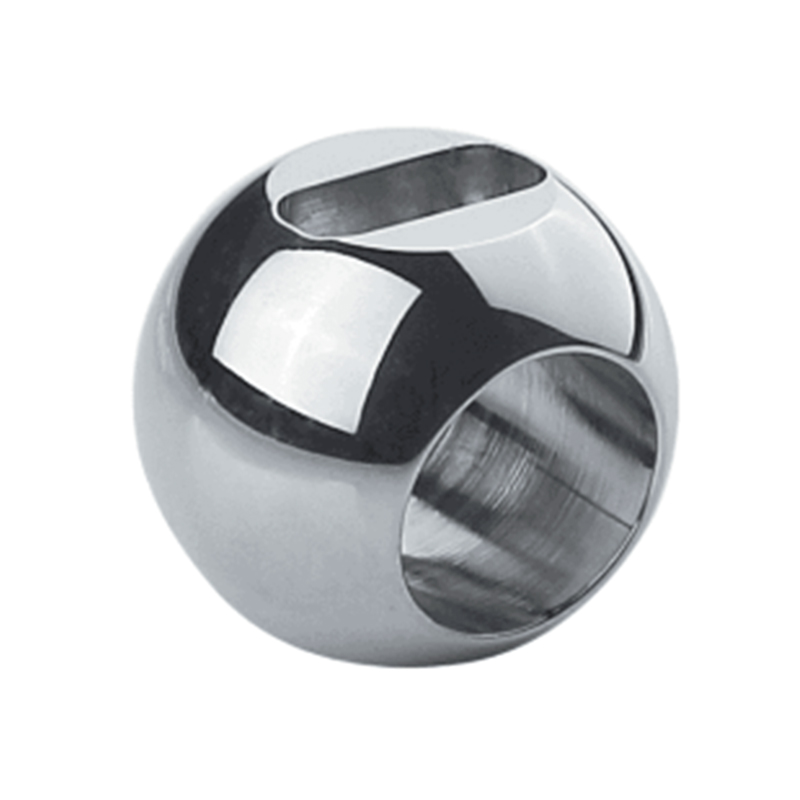
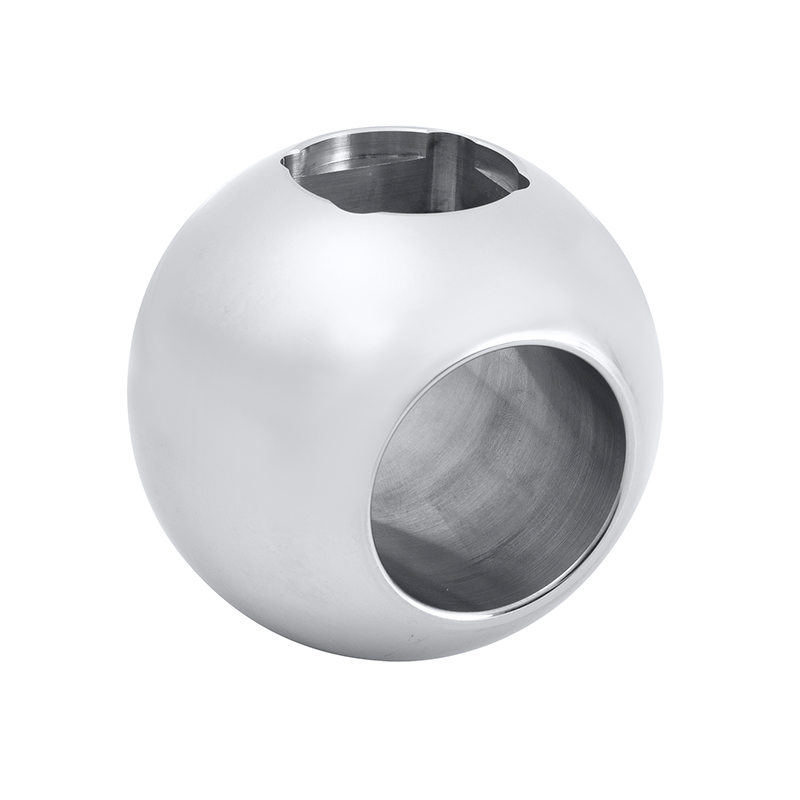
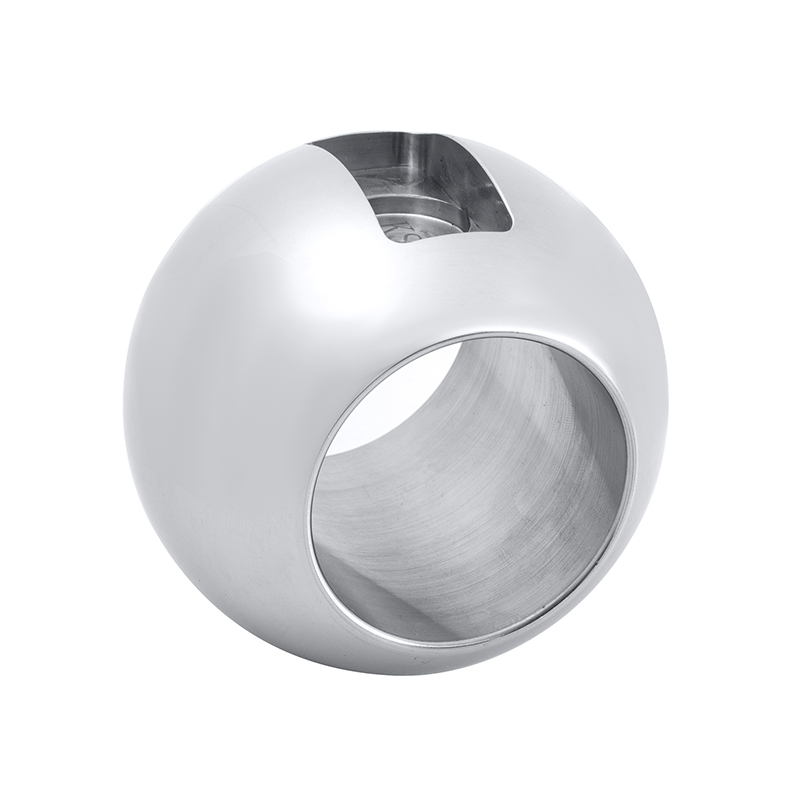
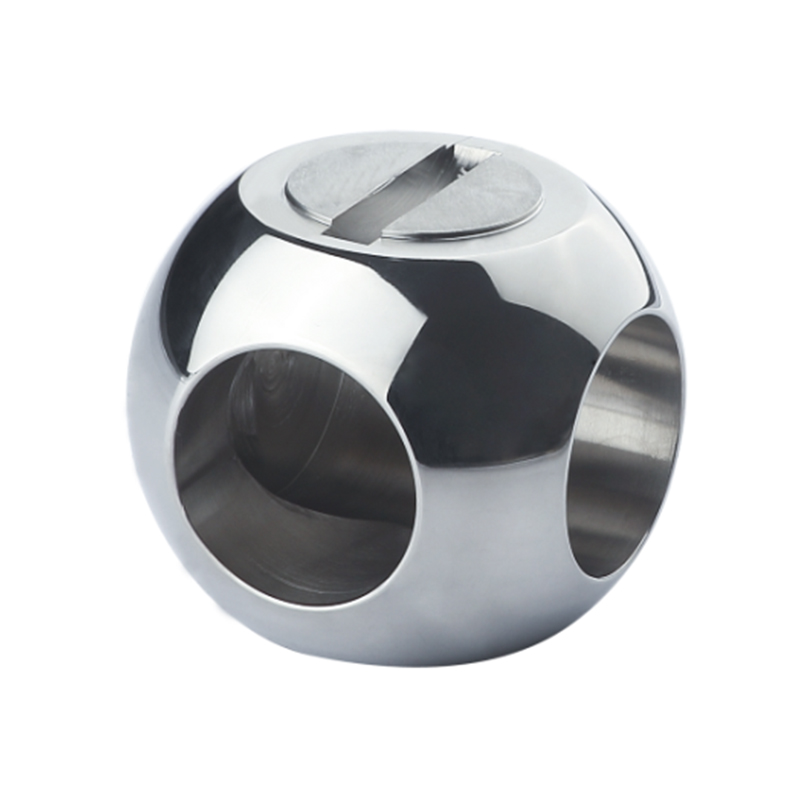
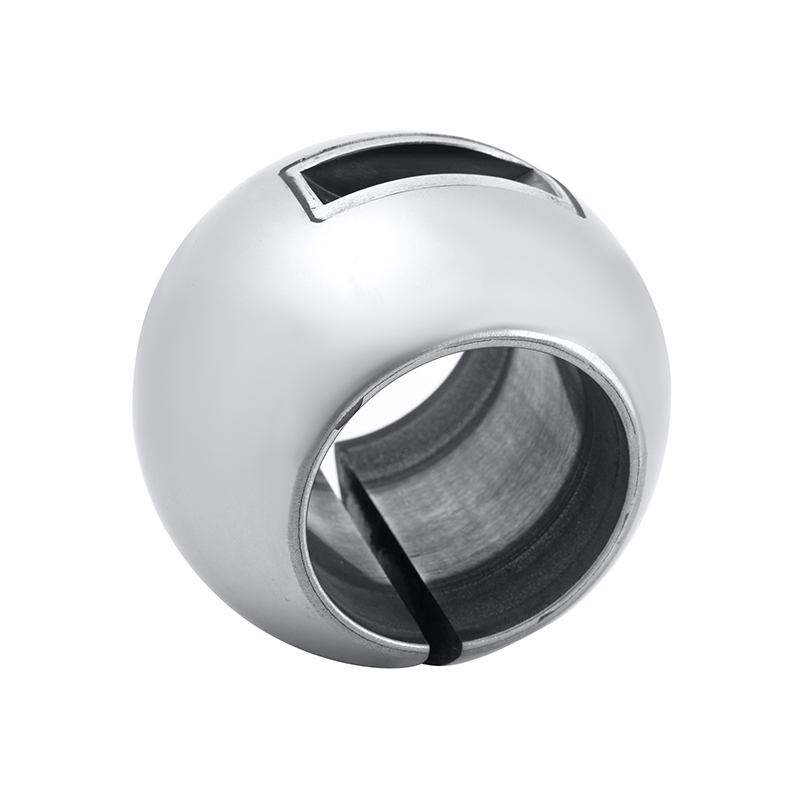
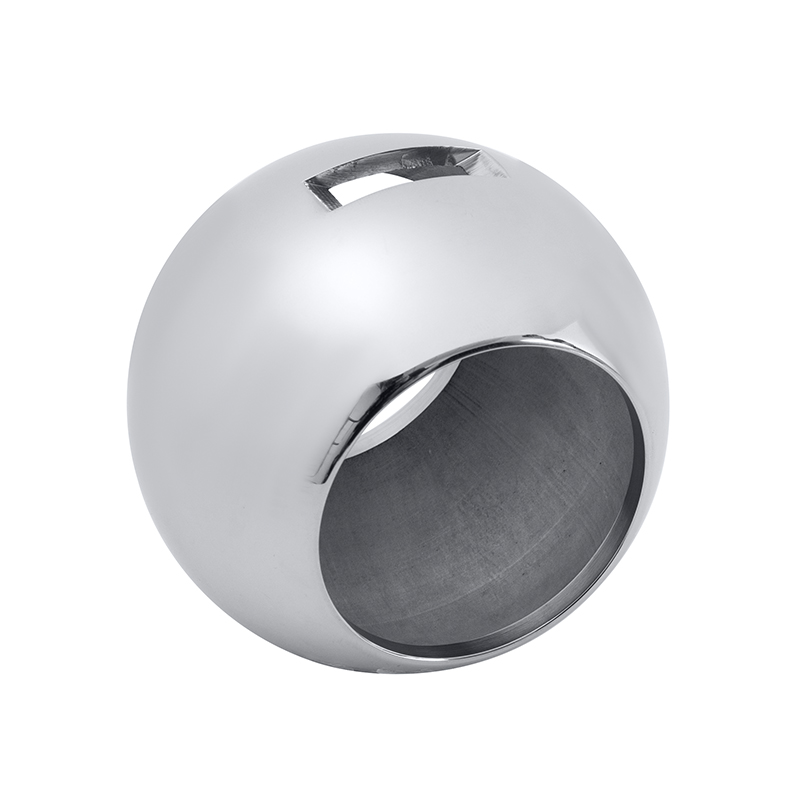
This is where hard sealing technology gains attention. Hard seal valve balls are designed to maintain surface integrity under demanding conditions, offering improved resistance to wear and deformation. Their growing adoption is frequently highlighted in overseas technical forums, particularly in sectors such as energy, chemical processing, and heavy industry where durability and safety are closely monitored.
Key Concerns Driving Overseas Purchasing Decisions
Based on our ongoing communication with international clients, several concerns consistently influence purchasing behavior when sourcing valve balls:
- Reliability of material selection for long-term use
- Uniform surface quality to support stable sealing
- Compatibility with different valve seat designs
- Manufacturing consistency across repeated orders
These priorities reflect a broader shift toward risk reduction and lifecycle thinking, where buyers seek components that support predictable performance rather than short-term cost savings.
Application-Specific Requirements Across Industries
Valve balls are used in a wide range of industries, and each application presents unique challenges. In oil and gas systems, resistance to pressure fluctuations and media is critical. Water treatment facilities often prioritize smooth operation and low maintenance requirements. Chemical processing environments demand materials and finishes that can handle corrosive substances.
Understanding these differences allows manufacturers to align production methods with real application needs. This application-focused manufacturing approach is increasingly valued by overseas buyers seeking components tailored to specific operating conditions.
The Manufacturer’s Role in Quality Assurance
Quality assurance is no longer limited to final inspection. International buyers now expect manufacturers to demonstrate control throughout the entire production process. This includes raw material verification, in-process monitoring, and consistent finishing standards.
As a manufacturer, we emphasize transparency and process stability to help clients feel confident in long-term cooperation. Reliable quality assurance practices reduce uncertainties during installation and operation, which is a major concern discussed across global industrial networks.
Component Precision Driving System Efficiency
As industrial systems evolve, efficiency and safety standards continue to rise. Valve balls, though small in size, play a significant role in meeting these expectations. Industry discussions increasingly point toward precision components as essential contributors to system reliability and reduced downtime.
By maintaining a focused approach to machining accuracy and application-driven design, a dedicated Valve ball factory is well positioned to support future industrial demands. In this evolving landscape, solutions built around durability and precision—such as the Hard Seal Ball—will continue to be central to modern flow control systems worldwide.