 English
 Español
 Deutsch

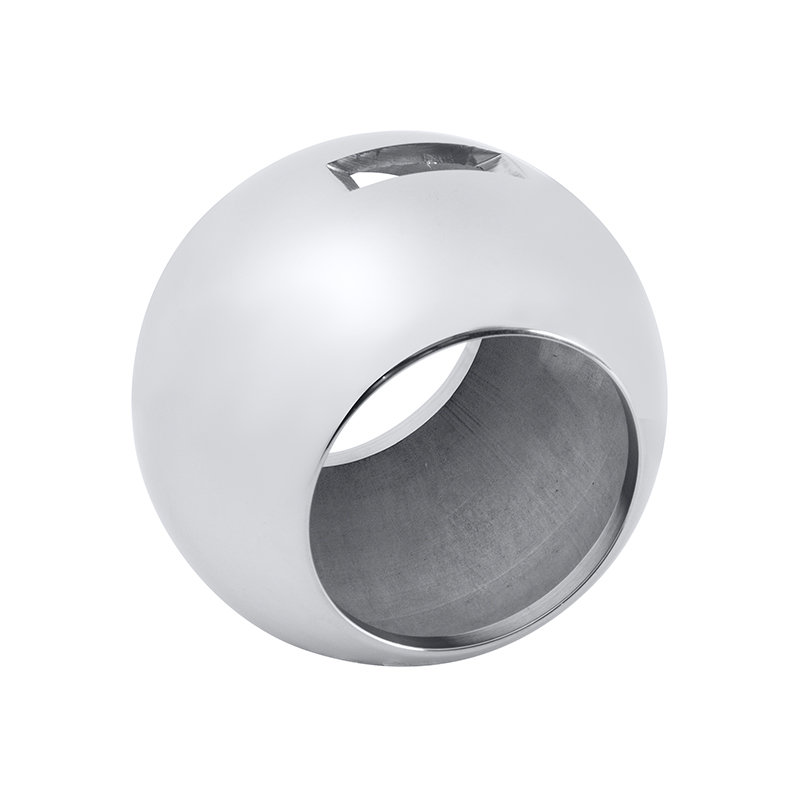
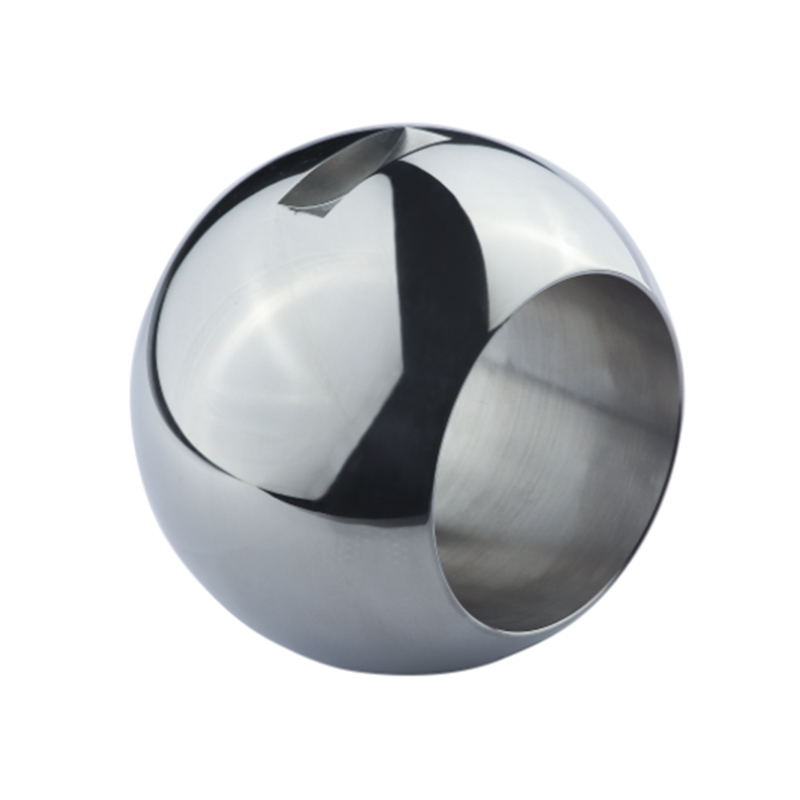
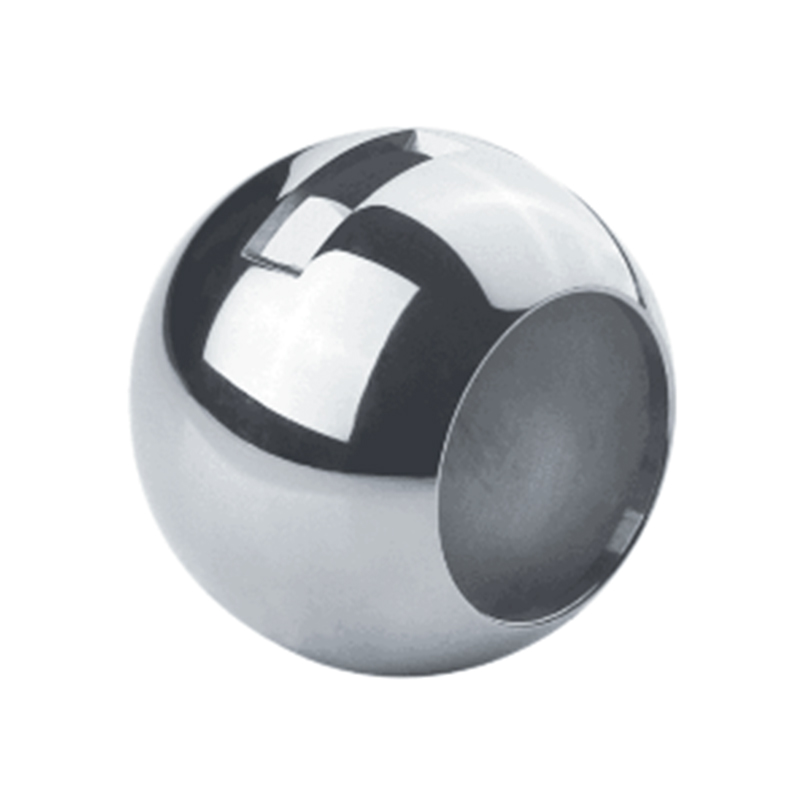
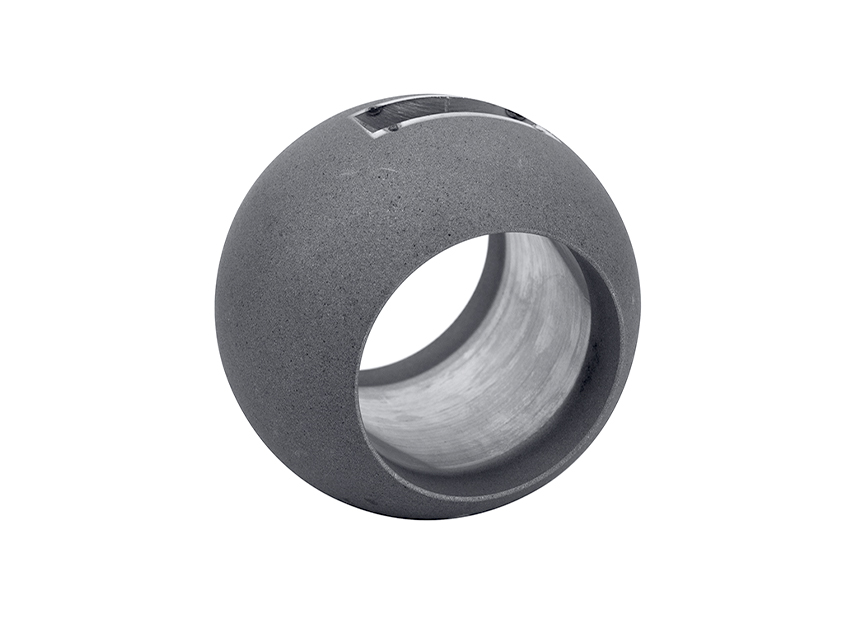
As industrial operators look for ways to reduce material waste, extend equipment service life, and improve resource efficiency, component selection is becoming part of the broader sustainability conversation. Custom Ball Valve Solutions can help address these goals by allowing critical valve components to be designed around actual operating conditions rather than relying on a one-size-fits-all approach. For industries handling water, chemicals, gases, or other process media, properly matched custom ball valve balls can support longer service intervals, reliable sealing performance, and more efficient maintenance planning.
Extending the Service Life of Valve Systems
Premature wear is one of the main reasons industrial valve components require replacement. A standard ball may not always be suitable for specific combinations of media, pressure, temperature, corrosion exposure, or operating frequency.
With custom ball valve solutions, manufacturers can select appropriate materials, dimensions, surface finishes, and machining specifications according to the working environment. A component that is better matched to the valve's actual duty conditions may help reduce abnormal wear and unnecessary replacement. Extending the usable life of individual components can also support more efficient use of materials and reduce the frequency of maintenance-related shutdowns.
Improving Sealing Performance and Process Efficiency
Sealing performance has a direct influence on the operation of many fluid-handling systems. An improperly matched ball surface or dimensional tolerance can contribute to leakage, unstable valve operation, or increased maintenance requirements.
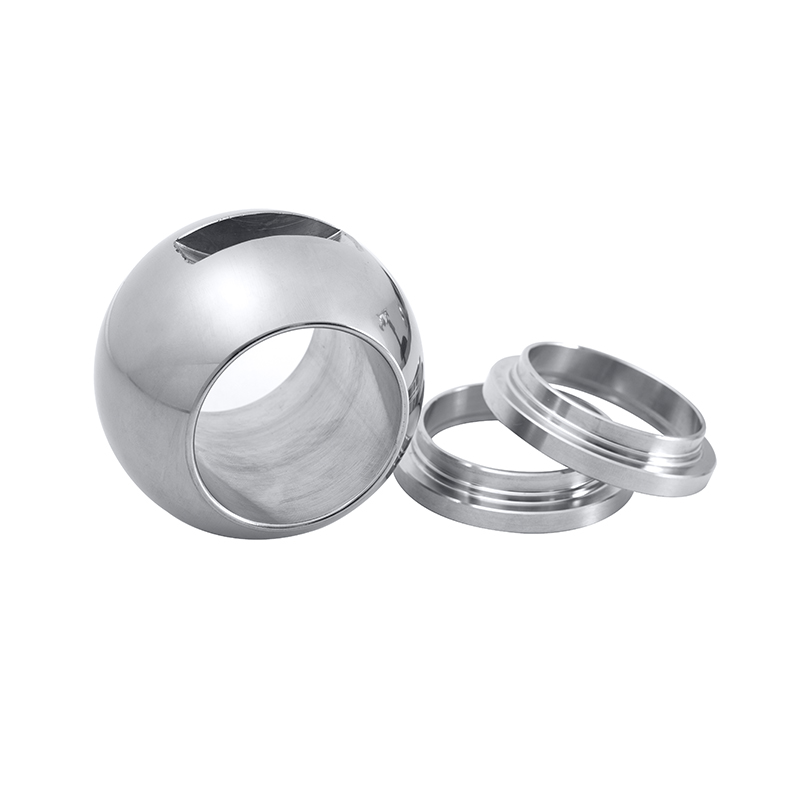
Precision-manufactured custom ball valve balls are designed to work with the corresponding valve seat and internal structure. Proper matching can help create more consistent contact conditions and support reliable shut-off performance. In systems where leakage affects process efficiency or causes the loss of valuable media, selecting components according to actual technical requirements becomes particularly important.
Selecting Materials for the Operating Environment
Sustainability does not depend on one material or one manufacturing process. In industrial valve applications, it often begins with selecting materials that are appropriate for the actual service environment.
Factors such as corrosion resistance, mechanical strength, temperature performance, and compatibility with the process medium should all be considered. Stainless steel and other engineered materials may be selected depending on the application. For water treatment, chemical processing, food-related equipment, or other specialized systems, material selection should also take relevant hygiene, safety, and regulatory requirements into account.
A properly selected material can help prevent premature failure while reducing the need for avoidable component replacement.
Supporting Repair and Maintenance Instead of Full Replacement
When a valve assembly develops performance issues, replacing the entire unit is not always the only option. In suitable applications, replacing or refurbishing specific internal components may help restore valve performance while retaining serviceable parts of the existing system.
Custom ball valve balls can be manufactured to match specific dimensions and application requirements, providing an option for equipment repair, refurbishment, or replacement projects. This approach may reduce material consumption compared with replacing an entire valve assembly when only individual components require attention.
For maintenance teams, however, compatibility with the complete valve design should always be confirmed before replacement.
Reducing Waste Through Better Component Matching
A poorly matched component can create a chain of problems, including accelerated wear, repeated maintenance, leakage, and early equipment replacement. These issues not only increase operating costs but can also result in unnecessary material waste.
Custom manufacturing allows key specifications to be evaluated before production, including:
- Ball diameter and dimensional tolerances
- Material grade and corrosion resistance
- Surface finish requirements
- Sphericity and roundness requirements
- Compatibility with valve seats and sealing materials
- Application-specific operating conditions
By addressing these requirements during the manufacturing stage, buyers can make component selection more closely aligned with their equipment and maintenance needs.
Meeting Different Requirements Across Industrial Applications
Custom ball valve solutions are used across a wide range of industrial environments, and each application presents different technical challenges. Water treatment systems may prioritize corrosion resistance and long-term reliability, while chemical processing applications may require careful consideration of media compatibility. Other industrial systems may focus on pressure conditions, temperature ranges, or frequent cycling performance.
For this reason, custom ball valve balls should be evaluated as part of the complete valve system rather than as isolated components. Clear communication between the equipment manufacturer, valve supplier, and component manufacturer can help ensure that the final product matches practical operating requirements.
Building Sustainability Through Practical Engineering
Sustainable industrial development is not only about introducing new equipment. It also involves improving how existing systems are designed, maintained, repaired, and operated. Components that are properly matched to their working conditions can help reduce premature replacement and support more efficient use of industrial resources.
At Zhejiang Boshi Valve Technology Co., Ltd., we provide Custom Ball Valve Solutions based on customer drawings, samples, dimensions, and application requirements. By focusing on material selection, precision manufacturing, surface quality, and application compatibility, we help industrial buyers source custom ball valve balls designed for their specific valve systems and long-term operating needs.